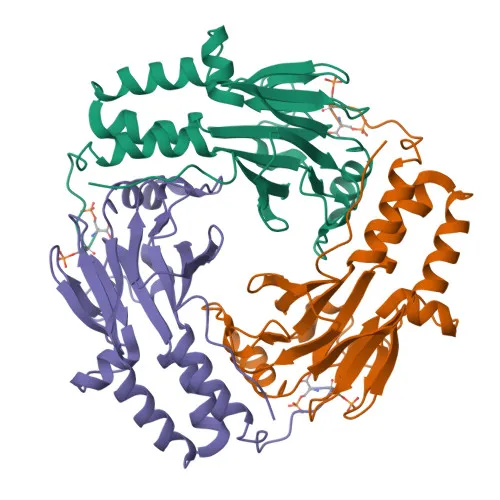
Polyclonal Antibodies
Anti-SMAD2/SMAD3 Rabbit Polyclonal Antibody for WB, IHC-P, IF/ICC, ELISA - Q15796/P84022
Item Number : CM0019884
Price varies based on specs and customizations
- Application
- WB, IHC-P, IF/ICC, ELISA
- Cross Reactivity
- Human, Mouse, Rat
- Protein Weight
- 48kDa/52kDa/25kDa/35kDa/43kDa

Shipping:
Contact us to get shipping details Enjoy On-time Dispatch Guarantee.
Why Choose Us
Easy ordering process, quality products, and dedicated support for your business success.
Core Product Specifications and Parameters
| Parameter | Value |
|---|---|
| Product Name | SMAD2/SMAD3 Rabbit pAb |
| Remarks/Alias | HSPC193; HsT17436; JV15-2; LDS1C; LDS3; MADH3; SMAD2/SMAD3 |
| Species | Human |
| GeneID (Human) | 4087/4088 |
| GeneID | 4087/4088 |
| Immunogen | Synthetic peptide|A synthetic peptide corresponding to a sequence within amino acids 150-270 of human SMAD2/SMAD3SMAD3 (NP_005893.1). |
| Source | Rabbit |
| Category | Polyclonal Antibodies |
| Application | WB, IHC-P, IF/ICC, ELISA |
| Cross Reactivity | Human, Mouse, Rat |
| SWISS | Q15796/P84022 |
| Protein Weight | 48kDa/52kDa/25kDa/35kDa/43kDa |
| Shipping | Ice bag |
Biological Background: SMAD2/SMAD3 Function and Localization
- SMAD2 is a receptor-regulated SMAD (R-SMAD) protein, also known as MADH2, MADR2, and JV18-1, and shares high homology with SMAD3.
- It functions as an intracellular signal transducer for TGF-beta and activin type 1 receptor kinases, mediating transcriptional responses.
- Upon phosphorylation, SMAD2 forms a complex with SMAD4, translocates to the nucleus, and binds the TRE element to regulate transcription of target genes.
- SMAD2 positively regulates PDPK1 kinase activity by stimulating its dissociation from the 14-3-3 protein YWHAQ.
- May act as a tumor suppressor in colorectal carcinoma. Related references: PMID:8752209
- Subcellular localization is cytoplasmic and nuclear, shuttling in response to signaling activation.
- Highly expressed in skeletal muscle, endothelial cells, heart, and placenta.
- Subject to post-translational modifications including acetylation, phosphorylation, and ubiquitin conjugation, which regulate activity and stability.
Experimental Guidance and Technical Tips
- The immunogen is a synthetic peptide from amino acids 150-270 of human SMAD2/SMAD3 (NP_005893.1); consider sequence alignment to assess cross-reactivity with other species or isoforms.
- For Western blot, expect bands around 52 kDa (SMAD2) and 48 kDa (SMAD3); additional bands may represent alternative splice forms or post-translationally modified proteins.
- Validate antibody specificity using siRNA knockdown, knockout cell lines, or phosphatase treatment to confirm phosphorylation-dependent signals.
- For immunohistochemistry (IHC-P) and immunofluorescence (IF/ICC), optimal antigen retrieval and antibody titration are recommended for best signal-to-noise ratios.
- ELISA can be used for quantitative detection; ensure appropriate coating buffers and incubation conditions are optimized from the relevant sample system.
CamelBio: Your One-Stop Sourcing Bridge
CamelBio is a trusted one-stop source for IVD raw materials, offering validated antibody pairs, optimized monoclonal and polyclonal antibodies, bulk ancillary reagents, and rare target sourcing for diagnostic developers and research laboratories. For the SMAD2/SMAD3 pathway, we supply high-quality antibodies and custom production services suitable for TGF-beta signaling and oncology research applications. With a broad product portfolio and flexible supply solutions, CamelBio supports every stage from concept to clinic.
Product Datasheet
Anti-SMAD2/SMAD3 Rabbit Polyclonal Antibody for WB, IHC-P, IF/ICC, ELISA - Q15796/P84022
REQUEST A QUOTE
Our professional team will reply to you within one business day. Please feel free to contact us!