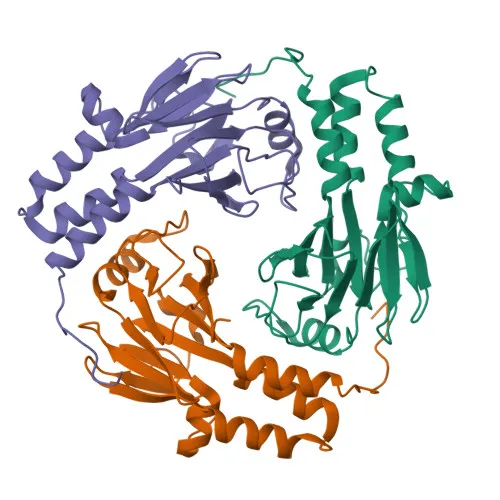
Polyclonal Antibodies
Anti-Smad1 Polyclonal Antibody for WB, ELISA - Q15797
Item Number : CM0018307
Price varies based on specs and customizations
- Application
- WB, ELISA
- Cross Reactivity
- Human, Mouse, Rat
- Protein Weight
- 52kDa

Shipping:
Contact us to get shipping details Enjoy On-time Dispatch Guarantee.
Why Choose Us
Easy ordering process, quality products, and dedicated support for your business success.
Core Product Specifications and Parameters
| Parameter | Value |
|---|---|
| Product Name | Smad1 Rabbit pAb |
| Remarks/Alias | BSP1; JV41; BSP-1; JV4-1; MADH1; MADR1; Smad1 |
| Species | Human |
| GeneID (Human) | 4086 |
| GeneID | 4086 |
| Immunogen | Recombinant fusion protein containing a sequence corresponding to amino acids 20-240 of human Smad1 (NP_001003688.1) |
| Source | Rabbit |
| Category | Polyclonal Antibodies |
| Application | WB, ELISA |
| Cross Reactivity | Human, Mouse, Rat |
| SWISS | Q15797 |
| Protein Weight | 52kDa |
| Shipping | Ice bag |
Biological Background: Smad1 Function and Localization
-
SMAD1 acts as a transcriptional modulator, playing pivotal roles in embryonic development, cell differentiation, and tissue homeostasis (PubMed:9335504). Related references: PMID:9335504
-
Upon BMP ligand stimulation, SMAD1 is phosphorylated by activated type I BMP receptors, associates with SMAD4, and the heteromeric complex translocates to the nucleus to bind Smad Binding Elements (SBEs) and regulate target gene expression (PubMed:33667543). Related references: PMID:33667543
-
SMAD1 localizes to both the cytoplasm and nucleus, with nuclear translocation occurring upon BMP signaling activation.
-
The protein is expressed ubiquitously, with the highest levels observed in heart and skeletal muscle.
-
Post-translational modifications include phosphorylation, acetylation, and ubiquitination; it also contains a zinc-binding MH1 domain.
-
SMAD1 positively regulates BMP4-induced MSX1 expression, a key factor in odontogenic development (by similarity).
Experimental Guidance and Technical Tips
- For western blot (WB), this polyclonal antibody can detect endogenous Smad1 in human, mouse, and rat samples; consider using a suitable blocking buffer and membrane to minimize background.
- In ELISA, the antibody can be paired with appropriate antigens; validate the assay conditions, including coating buffers and detection antibodies.
- The immunogen corresponds to a highly conserved region (aa 20–240), suggesting reactivity across multiple species and possibly multiple isoforms.
- For functional studies, combining with phospho-specific antibodies may help distinguish total vs. activated SMAD1.
CamelBio: Your One-Stop Sourcing Bridge
CamelBio supports diagnostic manufacturers and researchers with high-quality raw materials like this anti-Smad1 polyclonal antibody, covering BMP signaling and developmental biology applications. We offer one-stop access to validated antibody pairs, optimized monoclonal/polyclonal antibodies, bulk ancillary reagents, and rare target raw-material sourcing to accelerate your IVD development from concept to clinic.
REQUEST A QUOTE
Our professional team will reply to you within one business day. Please feel free to contact us!