Polyclonal Antibodies
Anti-SLC9A3R1 Rabbit Polyclonal Antibody for WB, ELISA - O14745
Item Number : CM0013648
Price varies based on specs and customizations
- Application
- WB, ELISA
- Cross Reactivity
- Human, Mouse, Rat
- Protein Weight
- 39kDa

Shipping:
Contact us to get shipping details Enjoy On-time Dispatch Guarantee.
Why Choose Us
Easy ordering process, quality products, and dedicated support for your business success.
Core Product Specifications and Parameters
| Parameter | Value |
|---|---|
| Product Name | SLC9A3R1 Rabbit pAb |
| Remarks/Alias | EBP50; NHERF; NHE-RF; NHERF-1; NPHLOP2; SLC9A3R1 |
| Species | Human |
| Gene ID (Human) | 9368 |
| Immunogen | Recombinant fusion protein containing a sequence corresponding to amino acids 189-358 of human SLC9A3R1 (NP_004243.1) |
| Source | Rabbit |
| Category | Polyclonal Antibodies |
| Application | WB, ELISA |
| Cross Reactivity | Human, Mouse, Rat |
| SWISS | O14745 |
| Protein Weight | 39kDa |
| Shipping | Ice bag |
Biological Background: SLC9A3R1 Function and Localization
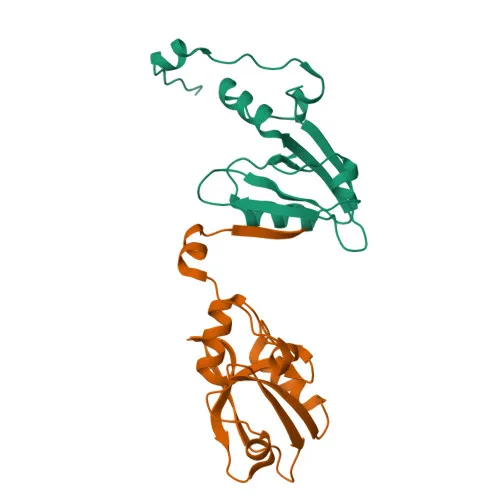
- SLC9A3R1, also known as NHERF1, EBP50, NHE-RF, NHERF, and NPHLOP2, is a 39 kDa scaffold protein belonging to the sodium-hydrogen exchanger regulatory factor family.
- Contains two PDZ domains and a C-terminal ezrin/radixin/moesin (ERM)-binding domain, enabling it to link plasma membrane proteins to the actin cytoskeleton.
- Regulates the activity and subcellular localization of several ion transporters, including the sodium-hydrogen exchanger SLC9A3 (NHE3) and the β2-adrenergic receptor ADRB2.
- Plays a role in Wnt signaling, phosphate reabsorption in renal proximal tubules, and chloride/bicarbonate homeostasis in spermatozoa.
- Subcellularly localized to the cytoplasm, apical cell membrane, microvilli, filopodia, and membrane ruffles.
- Undergoes post-translational modifications including phosphorylation and acetylation, and is subject to alternative splicing.
- Expressed in a variety of tissues including liver, kidney, pancreas, prostate, spleen, small intestine, and placenta, particularly in the syncytiotrophoblast.
Experimental Guidance and Technical Tips
- As a rabbit polyclonal antibody generated against a recombinant fragment (amino acids 189-358) of human SLC9A3R1, it is expected to recognize both full-length and potentially splice variants of NHERF1 across human, mouse, and rat.
- For Western blot, consider optimizing primary antibody dilution (e.g., 1:500–1:2000) based on sample expression levels and detection system. Validate in relevant cell or tissue lysates expressing the target.
- For ELISA, use standard direct or indirect protocols; include appropriate negative and positive controls. Perform checkerboard titrations to determine optimal coating antigen and antibody concentrations.
- Due to the scaffold protein's involvement in multi-protein complexes, ensure lysis conditions preserve interactions if analyzing native complexes.
CamelBio: Your One-Stop Sourcing Bridge
CamelBio provides diagnostic manufacturers and research labs with one-stop access to IVD raw materials, including validated antibody pairs, monoclonal and polyclonal antibodies, and bulk ancillary reagents. With expertise spanning from concept to clinic, we source rare-target raw materials and support every stage of assay development. For SLC9A3R1 (NHERF1)-related studies, we offer customized solutions to meet your procurement needs.
REQUEST A QUOTE
Our professional team will reply to you within one business day. Please feel free to contact us!