Polyclonal Antibodies
Anti-SLC4A7 Polyclonal Antibody for WB - Q9Y6M7
Item Number : CM0016002
Price varies based on specs and customizations
- Application
- WB, ELISA
- Cross Reactivity
- Human, Mouse
- Protein Weight
- 136kDa

Shipping:
Contact us to get shipping details Enjoy On-time Dispatch Guarantee.
Why Choose Us
Easy ordering process, quality products, and dedicated support for your business success.
Core Product Specifications and Parameters
| Parameter | Value |
|---|---|
| Product Name | SLC4A7 Rabbit pAb |
| Remarks/Alias | NBC2; NBC3; SBC2; NBCN1; SLC4A6; SLC4A7 |
| Species | Human |
| Gene ID (Human) | 9497 |
| Gene ID | 9497 |
| Immunogen | Recombinant protein; Recombinant fusion protein containing a sequence corresponding to amino acids 1151-1214 of human SLC4A7 (NP_003606.3). |
| Source | Rabbit |
| Category | Polyclonal Antibodies |
| Application | WB, ELISA |
| Cross Reactivity | Human, Mouse |
| SWISS | Q9Y6M7 |
| Protein Weight | 136kDa |
| Shipping | Ice bag |
Biological Background: Sodium bicarbonate cotransporter 3 (SLC4A7) Function and Localization
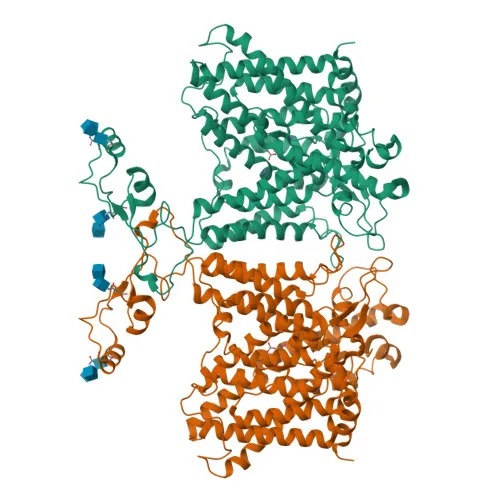
- SLC4A7 encodes the sodium bicarbonate cotransporter 3 (NBC3), also known as NBCn1, SBC2, and solute carrier family 4 member 7.
- It functions as an electroneutral Na(+):HCO3(-) cotransporter with a 1:1 stoichiometry, mediating sodium-dependent bicarbonate transport crucial for cellular pH regulation. Related references: PMID:10347222, PMID:12403779, PMID:14578046
- Plays a key role in macrophage acidification by importing bicarbonate, aiding net acid extrusion and maintaining cytoplasmic pH during phagocytosis. Related references: PMID:29779931
- Provides cellular bicarbonate for de novo purine and pyrimidine synthesis, acting as a mediator of nucleotide synthesis downstream of mTORC1 signaling in proliferating cells. Related references: PMID:35772404
- The protein localizes to the basolateral and apical cell membranes, as well as to stereocilia in cell projections, and is detected at the cell membrane.
- Highly expressed in testis and spleen, with additional expression in retina, colon, small intestine, ovary, thymus, prostate, muscle, heart, and kidney.
- Post-translationally modified by glycosylation and phosphorylation, and contains disulfide bonds; features multiple transmembrane helices.
Experimental Guidance and Technical Tips
- The immunogen corresponds to the C-terminal region (aa 1151-1214) of human SLC4A7; epitope accessibility may vary based on protein conformation or membrane embedding.
- For Western blot (WB), validate the antibody using appropriate positive and negative controls (e.g., lysates from tissues with known expression, such as testis or spleen). The predicted molecular weight is ~136 kDa, but post-translational modifications may cause slight shifts.
- For ELISA, consider optimizing coating antigen and detection conditions. Cross-reactivity with human and mouse is indicated, but always confirm specificity in your experimental system.
- In functional studies (e.g., pH regulation, macrophage acidification, or nucleotide synthesis), treat the antibody as a detection tool rather than a neutralizing agent unless verified.
- Store and handle according to the supplier's recommendations (shipped on ice bags) to maintain stability.
CamelBio: Your One-Stop Sourcing Bridge
CamelBio provides a comprehensive supply channel for IVD research and manufacturing, offering this SLC4A7 Rabbit Polyclonal Antibody as part of a broad portfolio of validated raw materials for ion transport and pH regulation studies. Whether you need optimized monoclonal/polyclonal antibodies, bulk ancillary reagents, or rare target sourcing for bicarbonate transporter research, CamelBio supports your development from concept to clinic. Our team is ready to assist with one-stop procurement and technical consulting tailored to diagnostic manufacturers and laboratories.
REQUEST A QUOTE
Our professional team will reply to you within one business day. Please feel free to contact us!