Polyclonal Antibodies
Anti-SLC40A1 Rabbit Polyclonal Antibody for WB and ELISA - Q9NP59
Item Number : CM0013742
Price varies based on specs and customizations
- Application
- WB, ELISA
- Cross Reactivity
- Human, Mouse
- Protein Weight
- 63kDa

Shipping:
Contact us to get shipping details Enjoy On-time Dispatch Guarantee.
Why Choose Us
Easy ordering process, quality products, and dedicated support for your business success.
Core Product Specifications and Parameters
| Parameter | Value |
|---|---|
| Product Name | SLC40A1 Rabbit pAb |
| Remarks/Alias | FPN; FPN1; HFE4; MTP1; IREG1; MST079; MSTP079; SLC11A3; SLC40A1 |
| Species | Human |
| GeneID (human) | 30061 |
| GeneID | 30061 |
| Immunogen | Synthetic Peptide | A synthetic peptide corresponding to a sequence within amino acids 250-300 of human SLC40A1 (NP_055400.1). |
| Source | Rabbit |
| Category | Polyclonal Antibodies |
| Application | WB, ELISA |
| Cross Reactivity | Human, Mouse |
| SWISS | Q9NP59 |
| Protein Weight | 63kDa |
| Shipping | Ice bag |
Biological Background: SLC40A1/Ferroportin Function and Localization
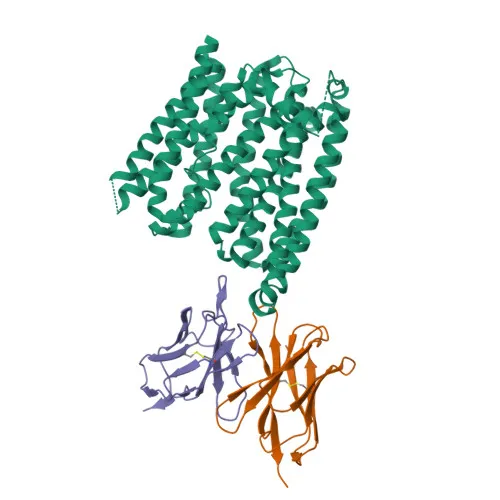
- The SLC40A1 gene encodes ferroportin (also known as FPN1, IREG1, SLC11A3), a multi-pass transmembrane protein critical for iron export.
- Ferroportin facilitates cellular iron efflux by transporting ferrous iron (Fe(2+)) across the plasma membrane, a process essential for systemic iron homeostasis. Related references: PMID:15692071 PMID:22178646 PMID:22682227
- It mediates iron release from enterocytes (dietary iron absorption), macrophages (recycling of iron from senescent erythrocytes), and hepatocytes (mobilization of storage iron).
- Hepcidin (HAMP) binds ferroportin and triggers its internalization and subsequent degradation, thereby limiting iron efflux when systemic iron levels are high. Related references: PMID:22682227 PMID:29237594 PMID:32814342
- Subcellularly, ferroportin localizes predominantly to the basolateral membrane of polarized cells, such as intestinal epithelia, and to the plasma membrane of other cell types.
- Expression is detected in multiple tissues, including erythrocytes, placenta, intestine, muscle, and spleen, with high levels in mature red blood cells.
- Post-translational modifications include glycosylation and ubiquitylation, which may influence protein stability and trafficking.
- Mutations in SLC40A1 are associated with hereditary iron metabolism disorders, underscoring its clinical significance as a biomarker and therapeutic target.
Experimental Guidance and Technical Tips
- The immunogen (amino acids 250-300 of human SLC40A1) is an internal sequence; confirm epitope accessibility in native versus denatured samples.
- Verify antibody performance in WB using SLC40A1-expressing lysates (e.g., from human or mouse liver, spleen, or erythrocytes) alongside appropriate negative controls.
- For ELISA, consider including a hepcidin challenge to monitor ferroportin internalization as a functional readout.
- Optimize blocking and detection conditions to minimize non-specific binding, given the multi-pass transmembrane nature of the target.
CamelBio: Your One-Stop Sourcing Bridge
CamelBio streamlines IVD raw-material procurement for diagnostic developers and research laboratories. Our anti-SLC40A1 antibody supports the study of iron metabolism disorders, and we offer complementary validated antibody pairs, recombinant ferroportin proteins, and ancillary reagents for assay development. With global supply chains and technical support, we help you source rare-target antibodies and scale from concept to clinic.
REQUEST A QUOTE
Our professional team will reply to you within one business day. Please feel free to contact us!