Polyclonal Antibodies
Anti-SLC26A9 Rabbit Polyclonal Antibody for WB, ELISA - Q7LBE3
Item Number : CM0019285
Price varies based on specs and customizations
- Application
- WB, ELISA
- Cross Reactivity
- Human, Mouse
- Protein Weight
- 87kDa

Shipping:
Contact us to get shipping details Enjoy On-time Dispatch Guarantee.
Why Choose Us
Easy ordering process, quality products, and dedicated support for your business success.
Core Product Specifications and Parameters
| Parameter | Value |
|---|---|
| Product Name | SLC26A9 Rabbit pAb |
| Remarks/Alias | SLC26A9 |
| Species | Human |
| GeneID (human) | 115019 |
| GeneID | 115019 |
| Immunogen | Recombinant fusion protein containing a sequence corresponding to amino acids 500-660 of human SLC26A9 (NP_443166.1) |
| Source | Rabbit |
| Category | Polyclonal Antibodies |
| Application | WB, ELISA |
| Cross Reactivity | Human, Mouse |
| SWISS | Q7LBE3 |
| Protein Weight | 87kDa |
| Shipping | Ice bag |
Biological Background: SLC26A9 Function and Localization
- SLC26A9 (solute carrier family 26 member 9) is a multi-functional anion transporter/exchanger belonging to the SLC26 family, with a predicted molecular weight of ~87 kDa.
- Functions primarily as an uncoupled chloride channel via an alternate-access mechanism, mediating conductive chloride transport. Related references: PMID:17673510, PMID:26801567, PMID:32818062
- Also operates as a DIDS- and thiosulfate-sensitive anion exchanger, facilitating chloride/bicarbonate exchange across the plasma membrane. Related references: PMID:11834742, PMID:15800055
- Localizes primarily to the cell membrane and endomembrane system, consistent with its role in transmembrane ion transport.
- Predominantly expressed in lung epithelium (bronchiolar and alveolar), with lower expression in pancreas and prostate.
- The gene undergoes alternative splicing, potentially yielding multiple isoforms that may fine-tune transport activity in different tissues.
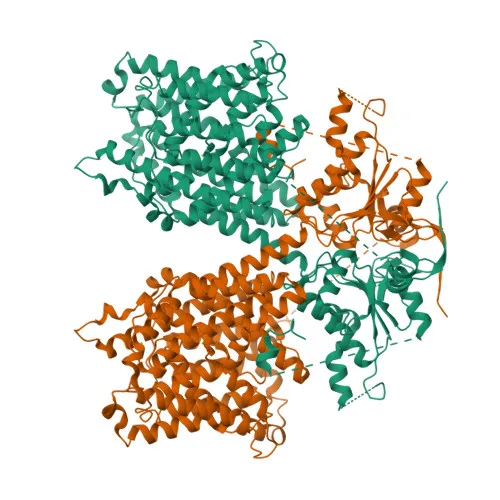
- Structural features include multiple transmembrane helices, and the protein has a resolved 3D structure, highlighting its complex transport mechanisms.
Experimental Guidance and Technical Tips
- The immunogen corresponds to the C‑terminal region (amino acids 500‑660) of human SLC26A9, targeting a domain that may be conserved between human and mouse.
- For Western blotting, anticipate a band near 87 kDa; however, alternative splicing or post‑translational modifications could produce additional bands, so validate with appropriate controls.
- When performing ELISA, consider optimizing the coating antigen and detection conditions to account for potential conformational epitopes recognized by this polyclonal antibody.
- As a polyclonal preparation, each batch should be titrated in the relevant sample system (e.g., human lung‑derived cells or tissue) to determine the optimal working dilution for your assay.
- Cross‑reactivity with mouse implies utility in rodent models of respiratory or pancreatic function, but always confirm with positive and negative lysates.
CamelBio: Your One‑Stop Sourcing Bridge
CamelBio serves as a comprehensive partner for IVD raw material procurement, connecting diagnostic manufacturers and research laboratories with antibodies, reagents, and technical expertise from discovery through clinical application. This anti‑SLC26A9 polyclonal antibody supports studies in ion transport, cystic fibrosis, and respiratory biology, and is part of our extensive portfolio that includes validated antibody pairs, optimized monoclonal and polyclonal preparations, bulk ancillary reagents, and custom sourcing for rare targets. Let our one‑stop platform streamline your development pipeline with reliable, research‑grade materials.
REQUEST A QUOTE
Our professional team will reply to you within one business day. Please feel free to contact us!