Polyclonal Antibodies
Anti-SLC17A5 Rabbit Polyclonal Antibody for WB, ELISA - Q9NRA2
Item Number : CM0017063
Price varies based on specs and customizations
- Application
- WB, ELISA
- Cross Reactivity
- Mouse, Rat
- Protein Weight
- 55kDa

Shipping:
Contact us to get shipping details Enjoy On-time Dispatch Guarantee.
Why Choose Us
Easy ordering process, quality products, and dedicated support for your business success.
Core Product Specifications and Parameters
| Parameter | Value |
|---|---|
| Product Name | SLC17A5 Rabbit pAb |
| Remarks/Alias | SD; AST; NSD; SLD; ISSD; VEAT; SIASD; SIALIN; SLC17A5 |
| Species | Human |
| GeneID | 26503 |
| Immunogen | A synthetic peptide corresponding to a sequence within amino acids 1-100 of human SLC17A5 (NP_036566.1) |
| Source | Rabbit |
| Category | Polyclonal Antibodies |
| Application | WB, ELISA |
| Cross Reactivity | Mouse, Rat |
| SWISS | Q9NRA2 |
| Protein Weight | 55kDa |
| Shipping | Ice bag |
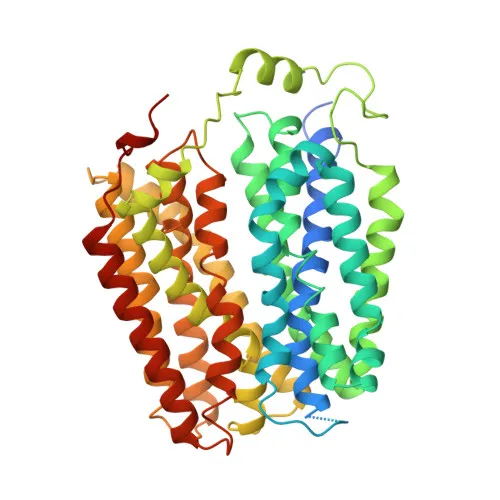
Biological Background: Sialin (SLC17A5) Function and Localization
- Sialin (SLC17A5) is a member of the solute carrier family 17 and functions as a multifunctional anion transporter operating via proton-coupled cotransport and membrane potential-dependent transport. Related references: PMID:15510212, PMID:21781115, PMID:22778404
- As a proton-coupled acidic monosaccharide symporter, it exports glucuronic acid and free sialic acid from lysosomes, crucial for sialoglycoconjugate degradation and myelinogenesis in the central nervous system. Related references: PMID:15510212, PMID:21781115, PMID:22778404
- It also acts as an electrogenic proton-coupled nitrate symporter mediating nitrate transport in salivary gland acinar cells, contributing to serum nitrate clearance. Related references: PMID:22778404
- Sialin uses membrane potential to drive vesicular storage of L-aspartate, L-glutamate, and the neuropeptide N-acetyl-L-aspartyl-L-glutamate in synaptic vesicles, relevant to neurotransmission. Related references: PMID:21781115, PMID:22778404, PMID:23889254
- Subcellularly, sialin localizes to the lysosome membrane, basolateral cell membrane, and synaptic vesicle membranes, reflecting its diverse transport roles.
- It is a receptor for CM101, a group B Streptococcus polysaccharide with antipathoangiogenic properties.
- Tissue expression is highest in salivary glands and liver, with moderate levels in brain, spleen, kidney, muscle, pancreas, and placenta; it is also abundantly expressed in tumor endothelial cells. Related references: PMID:10581036, PMID:11751519, PMID:22778404
Experimental Guidance and Technical Tips
- The immunogen corresponds to the N-terminal region (amino acids 1–100) of human SLC17A5. Consider that epitope accessibility may be influenced by post-translational modifications or protein conformation in different sample preparations.
- For Western blot, the predicted molecular weight is approximately 55 kDa, but due to glycosylation, the observed band may migrate at a higher molecular weight. Validate with appropriate positive controls.
- This antibody cross-reacts with mouse and rat SLC17A5; it can be used for comparative studies across these species.
- For ELISA, use the synthetic peptide as a positive control to establish assay conditions.
CamelBio: Your One-Stop Sourcing Bridge
CamelBio provides diagnostic manufacturers and research labs with one-stop access to validated raw materials, including this anti-SLC17A5 rabbit polyclonal antibody for lysosomal storage disease research. We offer bulk antibody supplies, customized immunoreagents, and technical support to streamline your assay development from concept to clinic.
REQUEST A QUOTE
Our professional team will reply to you within one business day. Please feel free to contact us!