Polyclonal Antibodies
Anti-SLC16A7 (MCT2) Polyclonal Antibody for WB, IF/ICC, ELISA - O60669
Item Number : CM0015439
Price varies based on specs and customizations
- Application
- WB, IF/ICC, ELISA
- Cross Reactivity
- Human, Rat
- Protein Weight
- 52kDa

Shipping:
Contact us to get shipping details Enjoy On-time Dispatch Guarantee.
Why Choose Us
Easy ordering process, quality products, and dedicated support for your business success.
Core Product Specifications and Parameters
| Parameter | Specification |
|---|---|
| Product Name | SLC16A7 Rabbit pAb |
| Remarks/Alias | MCT2; SLC16A7 |
| Species | Human |
| GeneID (Human) | 9194 |
| GeneID | 9194 |
| Immunogen | Synthetic peptide |
| Source | Rabbit |
| Category | Polyclonal Antibodies |
| Application | WB, IF/ICC, ELISA |
| Cross Reactivity | Human, Rat |
| SWISS | O60669 |
| Protein Weight | 52kDa |
| Shipping | Ice bag |
Biological Background: SLC16A7 (MCT2) Function and Localization
-
SLC16A7, also known as monocarboxylate transporter 2 (MCT2), is a member of the solute carrier family 16 and functions as a proton-coupled symporter for monocarboxylates such as L-lactate, pyruvate, ketone bodies (acetoacetate, beta-hydroxybutyrate), and acetate. Related references: PMID:32415067 PMID:9786900
-
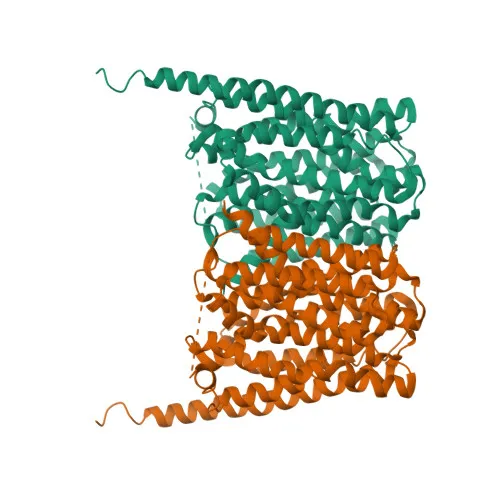
The transporter operates through cooperative substrate translocation, and dimerization is essential for its transport activity. Related references: PMID:32415067
-
MCT2 is primarily localized to the cell membrane and basolateral membrane of polarized cells, and can also be detected in the cytoplasm.
-
Tissue distribution is restricted in normal tissues, with high expression in testis, moderate to low in spleen, heart, kidney, pancreas, skeletal muscle, brain, and leukocytes; it is also detected in heart tissue and blood lymphocytes/monocytes at the protein level. Related references: PMID:15505343 PMID:9786900
-
While expression is restricted in normal tissues, MCT2 is widely expressed in cancer cells, suggesting a role in tumor metabolism.
-
The protein is a multi-pass transmembrane protein with 12 predicted helices and features a 3D structure that has been solved, providing insights into its transport mechanism.
-
As a key regulator of cellular monocarboxylate flux, MCT2 participates in metabolic coupling between cells, particularly in tissues with high energy demands.
Experimental Guidance and Technical Tips
- The immunogen used for this antibody is a synthetic peptide corresponding to amino acids 379–478 of human SLC16A7 (isoform NP_001257551.1). This region may be conserved in rat, consistent with the observed cross-reactivity.
- For Western blotting, consider a starting dilution range and optimize based on target cell lines such as HeLa, MCF-7, or rat tissues known to express MCT2.
- In immunofluorescence/ICC, validate fixation and permeabilization conditions, as the transporter is membranous; co-staining with membrane markers is recommended.
- ELISA applications may utilize the antibody for antigen capture or detection; pairing with a suitable secondary antibody and checking specificity against the immunogen peptide is advisable.
- Since MCT2 dimerization is functionally important, be aware that native conditions may reveal oligomeric forms on non-reducing gels.
CamelBio: Your One-Stop Sourcing Bridge
CamelBio partners with diagnostic manufacturers and research teams to streamline IVD raw material procurement, offering validated antibody pairs, bulk ancillary reagents, and access to rare-target antibodies like this anti-SLC16A7 polyclonal. Our one-stop platform supports metabolic transporter and cancer biomarker projects by connecting you with optimized monoclonal/polyclonal antibodies and tailored technical consulting for assay development. We simplify the path from target selection to product launch, ensuring reliable supply for your diagnostic workflows.
Product Datasheet
Anti-SLC16A7 (MCT2) Polyclonal Antibody for WB, IF/ICC, ELISA - O60669
REQUEST A QUOTE
Our professional team will reply to you within one business day. Please feel free to contact us!