Polyclonal Antibodies
Anti-SLC16A2 Rabbit Polyclonal Antibody (MCT8) for WB, ELISA - P36021
Item Number : CM0027074
Price varies based on specs and customizations
- Application
- WB, ELISA
- Cross Reactivity
- Human, Mouse, Rat
- Protein Weight
- 60kDa

Shipping:
Contact us to get shipping details Enjoy On-time Dispatch Guarantee.
Why Choose Us
Easy ordering process, quality products, and dedicated support for your business success.
Core Product Specifications and Parameters
| Parameter | Value |
|---|---|
| Product Name | SLC16A2 Rabbit pAb |
| Remarks/Alias | AHDS; MCT7; MCT8; XPCT; MCT 7; MCT 8; MRX22; DXS128; DXS128E; SLC16A2 |
| Species | Human |
| GeneID (Human) | 6567 |
| GeneID | 6567 |
| Immunogen | Recombinant protein |
| Source | Rabbit |
| Category | Polyclonal Antibodies |
| Application | WB, ELISA |
| Cross Reactivity | Human, Mouse, Rat |
| SWISS | P36021 |
| Protein Weight | 60kDa |
| Shipping | Ice bag |
Biological Background: SLC16A2 Function and Localization
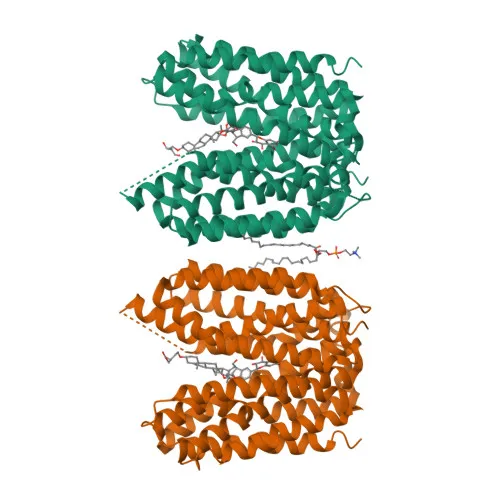
- Encoded by the SLC16A2 gene, monocarboxylate transporter 8 (MCT8) is a ~60 kDa multi-pass transmembrane protein with 12 transmembrane helices, belonging to the major facilitator superfamily.
- Functions as a specific, pH-independent thyroid hormone transporter, mediating bidirectional transport of T3 and T4, and to lesser extent rT3 and 3,3'-T2. Related references: PMID:16887882 PMID:18337592 PMID:20628049
- Plays an essential role in transporting T3 across the blood-brain barrier, critical for proper neurological development and function (Probable). Related references: PMID:28526555
- Also mediates cellular efflux of iodotyrosines, including 3,5-diiodo-L-tyrosine (DIT) and 3-iodo-L-tyrosine (MIT). Related references: PMID:38661522
- Tissue expression is highest in liver and heart, while in brain, it is predominantly localized to endothelial cells of the blood-brain barrier. Related references: PMID:7981683 PMID:18687783 PMID:32143555
- Mutations in SLC16A2 are linked to Allan-Herndon-Dudley syndrome (AHDS), an X-linked condition characterized by severe psychomotor retardation and thyroid hormone abnormalities.
- Post-translationally modified by acetylation, and its activity is critical for maintaining thyroid hormone homeostasis in various tissues.
Experimental Guidance and Technical Tips
- The immunogen corresponds to the N-terminal cytoplasmic domain (aa 1-100), therefore the antibody is predicted to recognize the full-length SLC16A2 protein; detection of alternative isoforms lacking this region should be validated experimentally.
- For Western blot, a band around 60 kDa is expected; consider using appropriate positive controls such as liver or heart lysates from human, mouse, or rat, and validate detection in your sample system.
- For ELISA, this polyclonal antibody may be suitable for direct or indirect detection of recombinant or native SLC16A2; assay conditions and specificity should be optimized.
- Be aware that post-translational modifications (e.g., glycosylation, acetylation) may affect electrophoretic mobility or epitope accessibility; validate antibody performance in your specific experimental context.
CamelBio: Your One-Stop Sourcing Bridge
CamelBio streamlines IVD raw material sourcing by providing a comprehensive portfolio of antibodies, including this anti-SLC16A2 polyclonal antibody, to support diagnostic development and research on thyroid hormone transporters. Beyond single reagents, we offer validated antibody pairs, optimized monoclonal and polyclonal antibodies, and bulk ancillary reagents tailored to your assay needs. Our expertise in rare target sourcing ensures you can access the critical raw materials for your SLC16A2-related projects efficiently.
REQUEST A QUOTE
Our professional team will reply to you within one business day. Please feel free to contact us!