Monoclonal Antibodies
Anti-SIRT3 Rabbit Monoclonal Antibody (KO Validated) for WB, IHC-P, IP, ELISA - Q9NTG7
Item Number : CM0003958
Price varies based on specs and customizations
- Application
- WB, IHC-P, IP, ELISA
- Cross Reactivity
- Human, Rat
- Protein Weight
- 44kDa

Shipping:
Contact us to get shipping details Enjoy On-time Dispatch Guarantee.
Why Choose Us
Easy ordering process, quality products, and dedicated support for your business success.
Core Product Specifications and Parameters
| Parameter | Value |
|---|---|
| Product Name | [KO Validated] SIRT3 Rabbit mAb |
| Remarks/Alias | SIR2L3; T3 |
| Species | Human |
| Gene ID (Human) | 23410 |
| Gene ID | 23410 |
| Immunogen | Synthetic peptide; A synthetic peptide corresponding to a sequence within amino acids 300-399 of human SIRT3 (NP_036371.1) |
| Source | Rabbit |
| Category | Monoclonal Antibodies |
| Application | WB, IHC-P, IP, ELISA |
| Cross Reactivity | Human, Rat |
| SWISS | Q9NTG7 |
| Protein Weight | 44kDa |
| Shipping | Ice bag |
Biological Background: SIRT3 Function and Localization
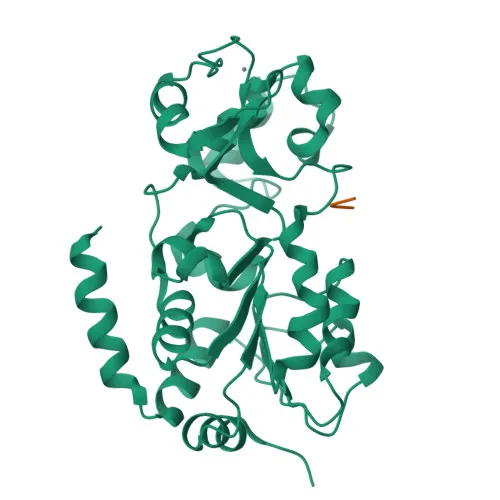
- SIRT3 is a mitochondrial NAD-dependent protein deacetylase that activates or deactivates target proteins by deacetylating key lysine residues, playing a central role in cellular energy metabolism. Related references: PMID:12186850, PMID:12374852, PMID:16788062
- Known deacetylation targets include metabolic enzymes such as ACSS1, IDH, GDH, SOD2, PDHA1, LCAD, SDHA, and ATP5PO, with implications for tissue-specific ATP level regulation. Related references: PMID:16788062, PMID:18680753, PMID:19535340, PMID:24252090, PMID:18794531
- In response to metabolic stress, SIRT3 deacetylates FOXO3 and recruits it along with POLRMT to mtDNA, promoting mitochondrial DNA transcription. Related references: PMID:23283301
- Beyond deacetylation, SIRT3 acts as a protein-lysine deacylase, catalyzing debenzoylation of PPIF and ACLY, and delactylation of CCNE2 and histone H4 at Lys-16. Related references: PMID:39524354, PMID:36896611, PMID:37720100
- SIRT3 localizes to the mitochondrial matrix, consistent with its role in regulating mitochondrial metabolic processes.
- It is widely expressed across human tissues, reflecting its fundamental role in energy homeostasis.
- SIRT3 is a member of the sirtuin family, homologous to yeast Sir2, and contains zinc-binding and NAD-binding domains characteristic of class III histone deacetylases.
Experimental Guidance and Technical Tips
- For Western blot analysis, the predicted molecular weight of SIRT3 is 44 kDa; validate the observed band size in your sample system and consider using KO cell lines as negative controls.
- When performing immunoprecipitation, enrichment of the mitochondrial fraction may enhance target capture efficiency due to the mitochondrial localization of SIRT3.
- For IHC-P, optimize antigen retrieval conditions and antibody dilution for mitochondrial targets; use appropriate tissue controls to confirm specificity.
- Although the immunogen corresponds to the C-terminal region (aa 300–399), the antibody may recognize full-length SIRT3; confirm specificity with peptide blocking or knockout validation in your assay.
CamelBio: Your One-Stop Sourcing Bridge
CamelBio provides diagnostic manufacturers, labs, and research institutes with one-stop access to IVD raw materials, including validated antibody pairs and optimized monoclonal antibodies. For metabolic and mitochondrial research, we supply quality-assured SIRT3 antibodies, ancillary reagents, and offer customized bulk sourcing to accelerate your assay development. Partner with CamelBio to efficiently bridge concept-to-clinic needs.
REQUEST A QUOTE
Our professional team will reply to you within one business day. Please feel free to contact us!