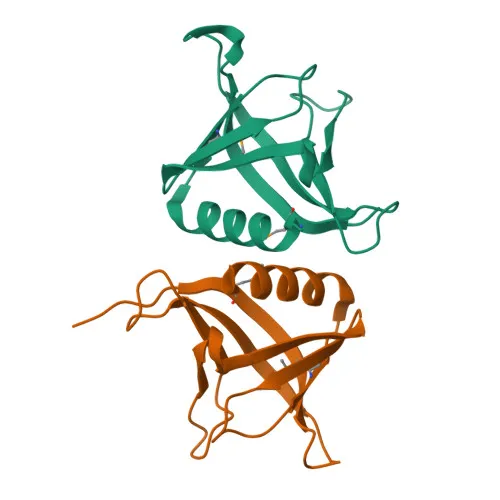
Polyclonal Antibodies
Anti-SHARPIN Rabbit Polyclonal Antibody for WB, ELISA - Q9H0F6
Item Number : CM0016554
Price varies based on specs and customizations
- Application
- WB, ELISA
- Cross Reactivity
- Human, Mouse, Rat
- Protein Weight
- 40kDa

Shipping:
Contact us to get shipping details Enjoy On-time Dispatch Guarantee.
Why Choose Us
Easy ordering process, quality products, and dedicated support for your business success.
Core Product Specifications and Parameters
| Parameter | Specification |
|---|---|
| Product Name | SHARPIN Rabbit pAb |
| Remarks/Alias | SIPL1; SHARPIN |
| Species | Human |
| GeneID (Human) | 81858 |
| Immunogen | Recombinant fusion protein containing a sequence corresponding to amino acids 1-126 of human SHARPIN (NP_112236.3?). |
| Source | Rabbit |
| Category | Polyclonal Antibodies |
| Application | WB, ELISA |
| Cross Reactivity | Human, Mouse, Rat |
| SWISS | Q9H0F6 |
| Protein Weight | 40kDa |
| Shipping | Ice bag |
Biological Background: SHARPIN Function and Localization
- SHARPIN (SHANK-associated RH domain-interacting protein, also known as SIPL1) is a component of the linear ubiquitin chain assembly complex (LUBAC), which catalyzes the formation of Met1-linked (linear) polyubiquitin chains essential for NF-kappa-B signaling and inflammatory regulation.
Related references: PMID:21455173, PMID:21455180, PMID:21455181 - The LUBAC complex conjugates linear polyubiquitin to key signaling molecules such as IKBKG (NEMO) and RIPK1, thereby activating the canonical NF-kappa-B and JNK pathways and protecting cells from TNF-induced apoptosis.
Related references: PMID:21455173, PMID:21455180, PMID:21455181 - SHARPIN participates in innate immune defense by decorating cytosolic bacteria with linear ubiquitin chains, which act as an 'eat-me' signal for xenophagy and promote NF-kappa-B activation.
Related references: PMID:28481331 - Together with the deubiquitinase OTULIN, the LUBAC complex modulates canonical Wnt signaling during angiogenesis.
Related references: PMID:23708998 - SHARPIN protein localizes to the cytoplasm, cytosol, and synapse, and contains a zinc-finger domain along with multiple phosphorylation sites.
- SHARPIN is highly expressed in skeletal muscle and placenta, with lower levels in brain, heart, colon, thymus, spleen, kidney, liver, lung, and peripheral blood leukocytes; its expression is upregulated in various tumor tissues including kidney, liver, ovary, and pancreas tumors.
- Alternative splicing of SHARPIN yields multiple isoforms, and the protein is subject to phosphorylation and metal binding, consistent with its roles in ubiquitin conjugation and intracellular signaling.
Experimental Guidance and Technical Tips
- The immunogen corresponds to the N-terminal portion (aa 1-126) of human SHARPIN; consider that this region may be conserved and thus the antibody could recognize multiple isoforms and cross-react with mouse and rat SHARPIN as indicated.
- For Western blotting, a predicted band around 40 kDa is expected; however, cleavage products or post-translationally modified forms may yield additional bands. Optimize loading controls and validate specificity in the relevant tissue or cell line.
- Suitable for ELISA; employ appropriate blocking and detection conditions, and confirm linearity using recombinant protein standards.
CamelBio: Your One-Stop Sourcing Bridge
CamelBio serves as a one-stop sourcing partner for diagnostic manufacturers and researchers, offering validated antibody pairs, optimized polyclonal antibodies, and bulk ancillary reagents to streamline assay development. Our supply portfolio covers rare targets like SHARPIN, supporting studies in inflammation, cancer, and ubiquitin signaling. Reach out to explore custom sourcing and technical support for your IVD projects.
REQUEST A QUOTE
Our professional team will reply to you within one business day. Please feel free to contact us!