Polyclonal Antibodies
Anti-SGTA Rabbit Polyclonal Antibody for WB, IF/ICC, ELISA - O43765
Item Number : CM0029984
Price varies based on specs and customizations
- Application
- WB, IF/ICC, ELISA
- Cross Reactivity
- Human
- Protein Weight
- 34kDa

Shipping:
Contact us to get shipping details Enjoy On-time Dispatch Guarantee.
Why Choose Us
Easy ordering process, quality products, and dedicated support for your business success.
Core Product Specifications and Parameters
| Parameter | Value |
|---|---|
| Product Name | SGTA Rabbit pAb |
| Remarks/Alias | SGT; Vpu; SGT1; hSGT; alphaSGT; SGTA |
| Species | Human |
| GeneID (Human) | 6449 |
| Immunogen | Recombinant protein|Recombinant fusion protein containing a sequence corresponding to amino acids 1-120 of human SGTA (NP_003012.1). |
| Source | Rabbit |
| Category | Polyclonal Antibodies |
| Application | WB, IF/ICC, ELISA |
| Cross Reactivity | Human |
| SWISS | O43765 |
| Protein Weight | 34kDa |
| Shipping | Ice bag |
Biological Background: SGTA Function and Localization
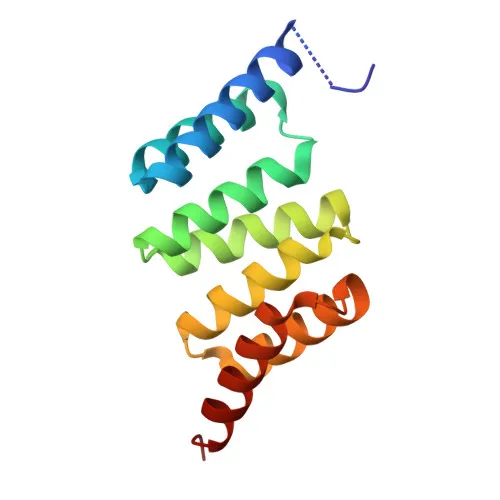
- SGTA (small glutamine-rich tetratricopeptide repeat-containing protein alpha) is a 34 kDa co-chaperone also known as Alpha-SGT or Vpu-binding protein, encoded by the SGTA gene.
- Functions as a co-chaperone that binds misfolded and hydrophobic patch-containing client proteins in the cytosol, mediating their targeting to the endoplasmic reticulum (ER) or sorting to the proteasome when ER targeting fails. Related references: PMID:28104892
- Participates in the membrane insertion of tail-anchored/type II transmembrane proteins as part of a targeting module with ASNA1 and the BAG6 complex, acting upstream by rapidly binding nascent transmembrane domains. Related references: PMID:25535373 PMID:28104892
- Involved in ER-associated degradation (ERAD) regulation by collaborating with the BAG6 complex to maintain hydrophobic substrates in non-ubiquitinated states, thereby preventing premature degradation. Related references: PMID:23129660 PMID:25179605
- Competes with the E3 ligase RNF126 for interaction with BAG6, inhibiting the ubiquitination of client proteins associated with the BAG6 complex. Related references: PMID:27193484
- Directly binds to HSC70 and HSP70 and modulates their ATPase activity, linking it to the heat shock protein chaperone network. Related references: PMID:18759457
- Subcellular localization is primarily cytoplasmic, but SGTA can also be found in the nucleus; it is ubiquitously expressed across tissues.
Experimental Guidance and Technical Tips
- The immunogen corresponds to the N-terminal region (amino acids 1-120) of human SGTA; consider this epitope specificity when validating in systems expressing truncated isoforms or SGTA homologs.
- For Western blot analysis, a predominant band at approximately 34 kDa is expected; validate detection in whole-cell lysates from human cell lines or tissue samples.
- In immunofluorescence/immunocytochemistry (IF/ICC), SGTA exhibits mainly cytoplasmic staining with possible nuclear signal; include appropriate permeabilization and blocking steps, and confirm localization with organelle markers.
- For ELISA applications, ensure antibody specificity by including control wells with recombinant SGTA protein or by performing depletion assays to confirm signal loss.
CamelBio: Your One-Stop Sourcing Bridge
CamelBio offers diagnostic manufacturers and researchers a streamlined supply chain for IVD raw materials, technical services, and consulting—covering every stage from concept to clinic. In the area of protein quality control and chaperone biology, CamelBio provides validated antibody pairs, optimized polyclonal antibodies such as anti-SGTA, and bulk ancillary reagents to support your assay development needs. For challenging or rare targets, our sourcing capabilities help ensure consistent access to critical raw materials.
REQUEST A QUOTE
Our professional team will reply to you within one business day. Please feel free to contact us!