Polyclonal Antibodies
Anti-SFTPC Rabbit Polyclonal Antibody for WB, IHC, IF, ELISA - P11686
Item Number : CM0020357
Price varies based on specs and customizations
- Application
- WB, IF-P, IHC-P, ELISA
- Cross Reactivity
- Human, Mouse, Rat
- Protein Weight
- 21kDa

Shipping:
Contact us to get shipping details Enjoy On-time Dispatch Guarantee.
Why Choose Us
Easy ordering process, quality products, and dedicated support for your business success.
Core Product Specifications and Parameters
| Parameter | Value |
|---|---|
| Product Name | SFTPC Rabbit pAb |
| Remarks/Alias | SP5; SP-C; PSP-C; SFTP2; SMDP2; BRICD6; SFTPC |
| Species | Human |
| Gene ID (Human) | 6440 |
| Gene ID | 6440 |
| Immunogen | Recombinant protein|Recombinant fusion protein containing a sequence corresponding to amino acids 59-197 of human SFTPC (NP_003009.2). |
| Source | Rabbit |
| Category | Polyclonal Antibodies |
| Application | WB, IF-P, IHC-P, ELISA |
| Cross Reactivity | Human, Mouse, Rat |
| SWISS | P11686 |
| Protein Weight | 21kDa |
| Shipping | Ice bag |
Biological Background: SFTPC Function and Localization
- SFTPC (Surfactant protein C, also known as SP5, SP-C, PSP-C, SFTP2, SMDP2, BRICD6) is a hydrophobic protein and a key component of pulmonary surfactant.
- Pulmonary surfactant proteins promote alveolar stability by lowering the surface tension at the air-liquid interface in the peripheral air spaces, preventing alveolar collapse during respiration.
- The SP-C protein is secreted and localizes to the extracellular space, contributing to the formation of a surface film on the alveolar epithelium.
- The mature SP-C protein is derived from a 197-amino acid precursor (proSP-C) and has an approximate molecular weight of 21 kDa.
- SP-C undergoes several post-translational modifications, including palmitoylation and formation of a disulfide bond, which are essential for its structure and function.
- Mutations in SFTPC have been linked to interstitial lung diseases, underscoring its clinical significance as a disease-associated protein.
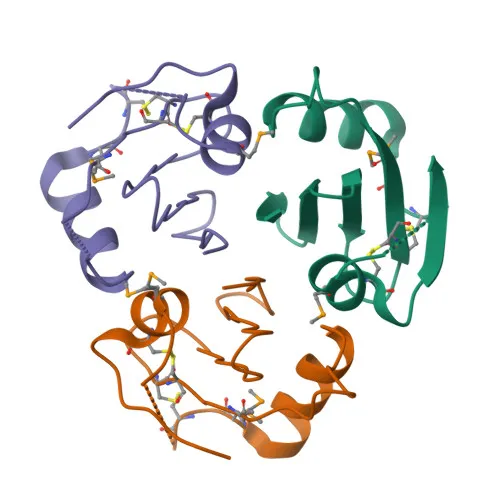
- The SFTPC protein has been characterized by 3D structure determination and proteomics identification, and alternative splicing produces different isoforms.
Experimental Guidance and Technical Tips
- For Western blotting, lung tissue lysates or purified surfactant samples are recommended as positive controls; the mature SP-C band is expected at ~21 kDa, but higher molecular weight forms (proSP-C) may be detected depending on sample processing.
- In immunofluorescence (IF-P) and immunohistochemistry (IHC-P), paraffin-embedded lung sections typically provide optimal localization; antigen retrieval and permeabilization steps may be necessary to detect the secreted, extracellular protein.
- For ELISA applications, consider using the antibody as a capture or detection reagent for quantifying SP-C levels in biological fluids such as bronchoalveolar lavage.
- Validate the antibody specificity in your experimental system by including appropriate controls (e.g., knockout tissue or blocking peptide), especially when interpreting signals from closely related surfactant proteins.
- As with any polyclonal antibody, lot-to-lot variability may occur; we recommend testing each new batch in the intended assay.
CamelBio: Your One-Stop Sourcing Bridge
CamelBio serves as an integrated IVD raw-material partner, connecting diagnostic manufacturers and research teams to a comprehensive portfolio of antibodies and reagents. This anti-SFTPC polyclonal antibody supports pulmonary disease research and surfactant biomarker assay development. Through CamelBio’s global network, you can efficiently source validated antibodies, bulk ancillary reagents, and even rare target raw materials—simplifying your supply chain from discovery to clinical application.
Product Datasheet
Anti-SFTPC Rabbit Polyclonal Antibody for WB, IHC, IF, ELISA - P11686
REQUEST A QUOTE
Our professional team will reply to you within one business day. Please feel free to contact us!