Polyclonal Antibodies
Anti-SFPQ Polyclonal Antibody for WB, IHC-P, IF/ICC, IP, ELISA - P23246
Item Number : CM0013886
Price varies based on specs and customizations
- Application
- WB, IHC-P, IF/ICC, IP, ELISA
- Cross Reactivity
- Human, Mouse, Rat
- Protein Weight
- 76kDa

Shipping:
Contact us to get shipping details Enjoy On-time Dispatch Guarantee.
Why Choose Us
Easy ordering process, quality products, and dedicated support for your business success.
Core Product Specifications and Parameters
| Parameter | Value |
|---|---|
| Product Name | SFPQ Rabbit pAb |
| Remarks/Alias | PSF; POMP100; PPP1R140; SFPQ |
| Species | Human |
| Gene ID (Human) | 6421 |
| Gene ID | 6421 |
| Immunogen | Recombinant fusion protein containing a sequence corresponding to amino acids 578-707 of human SFPQ (NP_005057.1). |
| Source | Rabbit |
| Category | Polyclonal Antibodies |
| Application | WB, IHC-P, IF/ICC, IP, ELISA |
| Cross Reactivity | Human, Mouse, Rat |
| SWISS | P23246 |
| Protein Weight | 76kDa |
| Shipping | Ice bag |
Biological Background: SFPQ Function and Localization
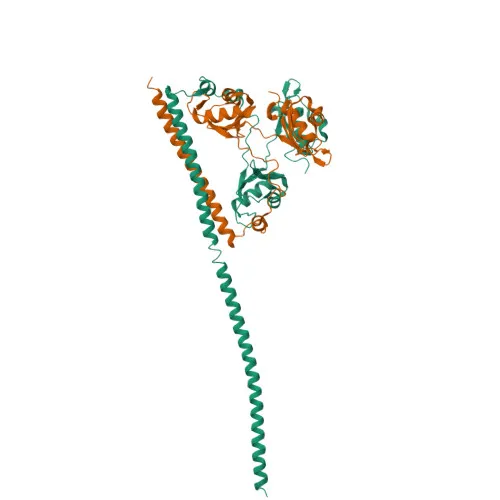
- SFPQ (Splicing factor, proline- and glutamine-rich), also known as PSF, POMP100, and PPP1R140, is a 76 kDa DNA- and RNA-binding protein.
- It functions as an essential pre-mRNA splicing factor, required early in spliceosome formation and for the catalytic step II, binding to intronic polypyrimidine tracts.
- SFPQ forms a heteromer with NONO, which is involved in multiple nuclear processes including DNA unwinding, modulation of topoisomerase I activity, and DNA non-homologous end joining (NHEJ) for double-strand break repair.
- The SFPQ-NONO heteromer also binds DNA and may play a role in nuclear retention of defective RNAs. Related references: PMID:25765647
- SFPQ regulates transcription, acting as both a transcriptional activator and a repressor; repression is mediated via interaction with SIN3A and recruitment of histone deacetylases. Related references: PMID:25765647
- It participates in the regulation of circadian clock genes by repressing CLOCK-BMAL1 transcriptional activity and is required for assembly of nuclear speckles. Related references: PMID:25765647
- Subcellularly, SFPQ localizes to nuclear speckles, the nuclear matrix, and the cytoplasm.
- SFPQ is involved in the innate immune response to DNA viruses, assembling into the HDP-RNP complex to activate IRF3 phosphorylation via the cGAS-STING pathway. Related references: PMID:28712728
Experimental Guidance and Technical Tips
- The immunogen corresponds to the C-terminal region (aa 578-707) of human SFPQ (isoform 1). This region may recognize multiple splice variants, but validation in the target sample is advised.
- For WB, an expected band around 76 kDa should be detected; using appropriate loading controls and molecular weight markers is recommended.
- For IHC-P and IF/ICC, consider optimizing antigen retrieval and permeabilization conditions based on the sample type.
- The antibody cross-reacts with mouse and rat SFPQ, but sequence homology should be checked for other species before use.
CamelBio: Your One-Stop Sourcing Bridge
CamelBio is a one-stop IVD raw-material sourcing partner for diagnostic manufacturers, laboratories, and research institutes. We supply validated antibody pairs, optimized polyclonal antibodies like this anti-SFPQ product for splicing and transcription studies, and bulk ancillary reagents. For rare-target raw-material needs, our sourcing capabilities help accelerate your development from concept to clinic.
Product Datasheet
Anti-SFPQ Polyclonal Antibody for WB, IHC-P, IF/ICC, IP, ELISA - P23246
REQUEST A QUOTE
Our professional team will reply to you within one business day. Please feel free to contact us!