Polyclonal Antibodies
Anti-Ser/thr-PP2A activator (PTPA) Polyclonal Antibody for WB, IF/ICC, ELISA - Q15257
Item Number : CM0022584
Price varies based on specs and customizations
- Application
- WB, IF/ICC, ELISA
- Cross Reactivity
- Human, Mouse, Rat
- Protein Weight
- 41kDa

Shipping:
Contact us to get shipping details Enjoy On-time Dispatch Guarantee.
Why Choose Us
Easy ordering process, quality products, and dedicated support for your business success.
Core Product Specifications and Parameters
| Parameter | Value |
|---|---|
| Product Name | Ser/thr-PP2A activator (PTPA) Rabbit pAb |
| Remarks/Alias | PP2A; PR53; PPP2R4; Ser/thr-PP2A activator (PTPA) |
| Species | Human |
| GeneID (human) | 5524 |
| GeneID | 5524 |
| Immunogen | Recombinant protein|Recombinant fusion protein containing a sequence corresponding to amino acids 1-323 of human Ser/thr-PP2A activator (PTPA) (NP_821067.1) |
| Source | Rabbit |
| Category | Polyclonal Antibodies |
| Application | WB, IF/ICC, ELISA |
| Cross Reactivity | Human, Mouse, Rat |
| SWISS | Q15257 |
| Protein Weight | 41kDa |
| Shipping | Ice bag |
Biological Background: Ser/thr-PP2A activator (PTPA) Function and Localization
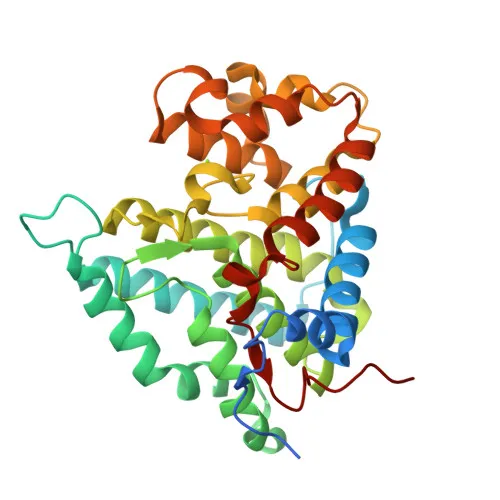
- PTPA acts as a regulatory subunit of serine/threonine-protein phosphatase 2A (PP2A), modulating its activity or substrate specificity by inducing conformational changes in the catalytic subunit. Related references: PMID:16916641 PMID:36073231
- As a peptidyl-prolyl cis-trans isomerase (PPIase), it accelerates protein folding by catalyzing proline imidic bond isomerization in oligopeptides (By similarity).
- PTPA can reactivate inactive PP2A holoenzymes (PP2A(i)) in vitro in the presence of ATP and Mg²⁺ (By similarity).
- It reversibly stimulates the phosphotyrosyl phosphatase activity of PP2A core heterodimers (PP2A(D)), an activity that depends on the associated ATPase activity of the complex. Related references: PMID:16916641
- Beyond its phosphatase regulatory roles, PTPA is involved in apoptosis, functioning independently of PP2A in this pathway. Related references: PMID:17333320
- The protein localizes to both the cytoplasm and nucleus.
- It is widely expressed across human tissues and is subject to acetylation; alternative splicing produces multiple isoforms. Disease associations include intellectual disability, Parkinson disease, and neurodegeneration.
Experimental Guidance and Technical Tips
- The immunogen corresponds to the full N-terminal domain (residues 1–323) of human PTPA (NP_821067.1); consider this region when designing orthogonal validation experiments.
- For Western blot, expect a band around 41 kDa in lysates from human, mouse, or rat tissues/cells; validate specificity with appropriate controls.
- In immunofluorescence/ICC, account for the cytoplasmic and nuclear distribution of PTPA; co-staining with compartment-specific markers may aid interpretation.
- ELISA applications can be used for qualitative or relative quantification of PTPA in biological fluids or cell extracts; optimize coating and detection conditions experimentally.
- Because PTPA regulates PP2A and apoptosis, functional studies may benefit from including ATP/Mg²⁺ or phosphatase activity assays in the experimental design.
CamelBio: Your One-Stop Sourcing Bridge
CamelBio partners with trusted manufacturers to supply high-quality rabbit polyclonal antibodies targeting PTPA, suitable for Western blot, IF/ICC, and ELISA. Beyond individual antibodies, we offer validated antibody pairs, optimized monoclonal/polyclonal reagents, and bulk ancillary materials to accelerate your diagnostic assay development. Our integrated sourcing services cover serine/threonine phosphatase research needs, supporting everything from concept to clinical application.
Product Datasheet
Anti-Ser/thr-PP2A activator (PTPA) Polyclonal Antibody for WB, IF/ICC, ELISA - Q15257
REQUEST A QUOTE
Our professional team will reply to you within one business day. Please feel free to contact us!