Polyclonal Antibodies
Anti-SERPINB9 (PI9/CAP-3) Rabbit Polyclonal Antibody for WB, IF/ICC, ELISA - P50453
Item Number : CM0030048
Price varies based on specs and customizations
- Application
- WB, IF/ICC, ELISA
- Cross Reactivity
- Human, Mouse, Rat
- Protein Weight
- 42kDa

Shipping:
Contact us to get shipping details Enjoy On-time Dispatch Guarantee.
Why Choose Us
Easy ordering process, quality products, and dedicated support for your business success.
Core Product Specifications and Parameters
| Parameter | Value |
|---|---|
| Product Name | SERPINB9 Rabbit pAb |
| Remarks/Alias | PI9; CAP3; PI-9; CAP-3; SERPINB9 |
| Species | Human |
| Gene ID (Human) | 5272 |
| Gene ID | 5272 |
| Immunogen | Recombinant fusion protein containing amino acids 170-308 of human SERPINB9 (NP_004146.1) |
| Source | Rabbit |
| Category | Polyclonal Antibodies |
| Application | WB, IF/ICC, ELISA |
| Cross Reactivity | Human, Mouse, Rat |
| SWISS | P50453 |
| Protein Weight | 42kDa |
| Shipping | Ice bag |
Biological Background: Serpin B9 Function and Localization
- Serpin B9 (PI9, CAP-3) is a member of the serpin superfamily of serine protease inhibitors, functioning primarily as an intracellular inhibitor of granzyme B.
- It is a cytoplasmic protein that protects cells from granzyme B-mediated apoptosis, playing a critical role in immune evasion and regulation of cytotoxic T lymphocyte and natural killer cell responses.
- Encoded by the SERPINB9 gene located on human chromosome 6, the protein shares homology with other clade B serpins (ovalbumin-related) and is classified as a clade B member.
- The mature protein has a calculated molecular weight of ~42 kDa (UniProt: 42404 Da) and contains key structural features common to serpins, including a reactive center loop involved in protease inhibition.
- Subcellularly, SERPINB9 is predominantly localized in the cytoplasm, consistent with its role in intercepting granzyme B that enters target cells.
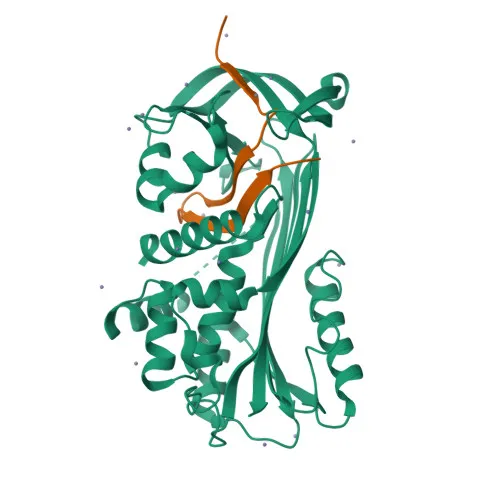
- Post-translational modifications include acetylation, and a three-dimensional structure has been determined, aiding in understanding its inhibitory mechanism.
- SERPINB9 is annotated in the Reference proteome and has been identified in high-throughput proteomics studies, underscoring its physiological importance.
Experimental Guidance and Technical Tips
- The immunogen (aa 170–308) corresponds to a conserved region across human, mouse, and rat SERPINB9, supporting the antibody’s multi-species reactivity profile noted by the supplier.
- For Western blotting, a typical starting dilution for rabbit polyclonals in the range of 1:500–1:2000 may be considered, but optimal dilution should be determined empirically in the relevant sample system.
- When performing immunofluorescence or immunocytochemistry, ensure adequate permeabilization to allow antibody access to the cytoplasmic target, and include appropriate negative controls.
- As with any polyclonal antibody, lot-to-lot variability is possible; researchers should validate the antibody in their specific assay and include positive/negative controls to confirm specificity.
CamelBio: Your One-Stop Sourcing Bridge
CamelBio offers integrated access to IVD raw materials, including validated antibody pairs, bulk polyclonal and monoclonal antibodies, and ancillary reagents for assay development. For projects focused on apoptosis, immune regulation, or serpin targets like SERPINB9, our sourcing platform can help locate optimized reagents and rare raw materials to accelerate your diagnostic pipeline from concept to clinic.
Product Datasheet
Anti-SERPINB9 (PI9/CAP-3) Rabbit Polyclonal Antibody for WB, IF/ICC, ELISA - P50453
REQUEST A QUOTE
Our professional team will reply to you within one business day. Please feel free to contact us!