Polyclonal Antibodies
Anti-Serine Racemase (SRR) Rabbit Polyclonal Antibody for WB, ELISA - Q9GZT4
Item Number : CM0025463
Price varies based on specs and customizations
- Application
- WB, ELISA
- Cross Reactivity
- Human, Mouse, Rat
- Protein Weight
- 37kDa

Shipping:
Contact us to get shipping details Enjoy On-time Dispatch Guarantee.
Why Choose Us
Easy ordering process, quality products, and dedicated support for your business success.
Core Product Specifications and Parameters
| Parameter | Value |
|---|---|
| Product Name | SRR Rabbit pAb |
| Remarks/Alias | ILV1; ISO1; SRR |
| Species | Human |
| GeneID (Human) | 63826 |
| GeneID | 63826 |
| Immunogen | Recombinant fusion protein containing a sequence corresponding to amino acids 1-340 of human SRR (NP_068766.1) |
| Source | Rabbit |
| Category | Polyclonal Antibodies |
| Application | WB, ELISA |
| Cross Reactivity | Human, Mouse, Rat |
| SWISS | Q9GZT4 |
| Protein Weight | 37kDa |
| Shipping | Ice bag |
Biological Background: Serine racemase Function and Localization
- SRR encodes serine racemase, a pyridoxal-5'-phosphate (PLP)-dependent enzyme that catalyzes the synthesis of D-serine from L-serine, and also exhibits dehydratase activity towards both L- and D-serine, producing pyruvate via an aminoacrylate intermediate. Related references: PMID:20106978 PMID:23391306 PMID:29277459
- D-serine functions as a key co-agonist with glutamate at NMDA receptors, underscoring the importance of serine racemase in regulating glutamatergic neurotransmission.
- The enzyme is an allosteric protein regulated by Mg²⁺ and ATP binding, highlighting intricate control in D-serine synthesis.
- Serine racemase undergoes S-nitrosylation, a post-translational modification that can modulate its activity and link to nitric oxide signaling pathways.
- Tissue expression analysis reveals high levels in the brain, particularly the hippocampus and corpus callosum, with lower levels in substantia nigra, caudate, amygdala, thalamus, and subthalamic nuclei; also detected in heart, skeletal muscle, kidney, and liver.
- At the protein level, serine racemase is expressed in the cerebellum, hippocampus, dorsolateral prefrontal cortex, motor neurons, and glial cells of the lumbar spinal cord, with elevated levels observed in the dorsolateral prefrontal cortex of schizophrenia patients.
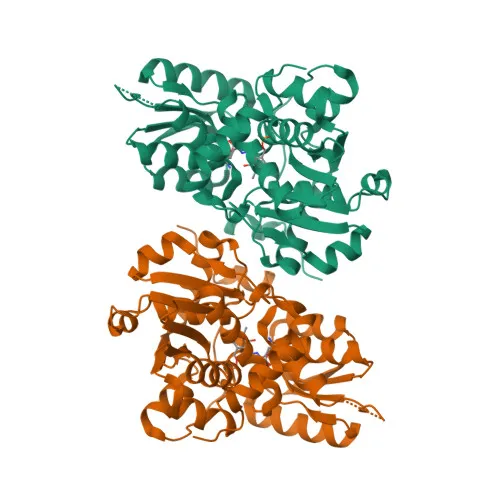
- The protein structure has been solved (3D-structure keyword), providing insights into catalytic mechanism and allosteric regulation.
Experimental Guidance and Technical Tips
- The immunogen covers nearly full-length human SRR (aa 1–340), so this polyclonal antibody may recognize all major isoforms.
- In Western blot, a band at approximately 37 kDa is expected; optimize blocking and dilution conditions for your specific sample type.
- For ELISA, the polyclonal nature may enhance sensitivity; validate with recombinant SRR or tissue lysates from human, mouse, or rat brain regions.
- Given tissue expression patterns, consider confirming antibody specificity with knockdown or knockout controls.
- Store at -20°C upon receipt and avoid repeated freeze-thaw cycles to maintain performance.
CamelBio: Your One-Stop Sourcing Bridge
CamelBio offers a comprehensive one-stop sourcing service for IVD raw materials, supporting your serine racemase research and diagnostic development needs. Our portfolio includes validated antibody pairs, optimized polyclonal and monoclonal antibodies, bulk ancillary reagents, and custom sourcing for rare targets. Partner with us to streamline your supply chain from concept to clinic.
Product Datasheet
Anti-Serine Racemase (SRR) Rabbit Polyclonal Antibody for WB, ELISA - Q9GZT4
REQUEST A QUOTE
Our professional team will reply to you within one business day. Please feel free to contact us!