Polyclonal Antibodies
Anti-Septin 9 Polyclonal Antibody for WB, IF/ICC, ELISA - Q9UHD8
Item Number : CM0028823
Price varies based on specs and customizations
- Application
- WB, IF/ICC, ELISA
- Cross Reactivity
- Human, Mouse, Rat
- Protein Weight
- 65kDa

Shipping:
Contact us to get shipping details Enjoy On-time Dispatch Guarantee.
Why Choose Us
Easy ordering process, quality products, and dedicated support for your business success.
Core Product Specifications and Parameters
| Parameter | Value |
|---|---|
| Product Name | Septin 9 Rabbit pAb |
| Remarks/Alias | MSF; MSF1; NAPB; SEPT9; SINT1; PNUTL4; SeptD1; AF17q25; Septin 9 |
| Species | Human |
| Gene ID (Human) | 10801 |
| Immunogen | Recombinant fusion protein containing a sequence corresponding to amino acids 1-110 of human Septin 9 (NP_001106964.1) |
| Source | Rabbit |
| Category | Polyclonal Antibodies |
| Application | WB, IF/ICC, ELISA |
| Cross Reactivity | Human, Mouse, Rat |
| SWISS | Q9UHD8 |
| Protein Weight | 65kDa |
| Shipping | Ice bag |
Biological Background: Septin-9 Function and Localization
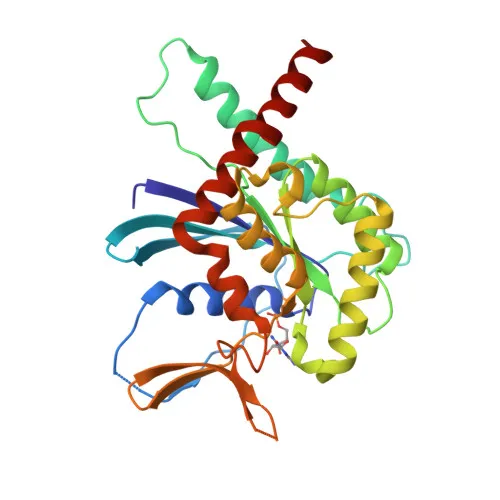
- Septin-9 is a filament-forming cytoskeletal GTPase that belongs to the septin family of proteins, which are conserved from yeast to humans.
- It plays a potential role in cytokinesis, the final stage of cell division, by contributing to the formation of the cleavage furrow.
- Septin-9 is implicated in the internalization of intracellular microbial pathogens such as Listeria monocytogenes and Shigella flexneri, acting as a host factor for bacterial entry.
- The protein localizes primarily to the cytoplasm and is associated with the cytoskeleton, consistent with its role in filament formation and cellular architecture.
- Multiple isoforms of Septin-9 are generated through alternative splicing, and these isoforms exhibit differential tissue expression; for example, isoform 5 is highly expressed in fetal tissues, while isoform 1 is found in most adult tissues except brain and thymus.
- Post-translational modifications include acetylation and phosphorylation, which may regulate its function and dynamics.
- Alterations in Septin-9 have been linked to disease; chromosomal rearrangements involving the SEPT9 gene are associated with certain cancers, and it is considered a disease variant.
Experimental Guidance and Technical Tips
- For Western blotting, consider using whole-cell lysates from human, mouse, or rat cell lines; the predicted molecular weight is ~65 kDa, but isoforms may vary.
- In immunofluorescence/immunocytochemistry, fixation and permeabilization methods should be optimized; cytoskeletal localization suggests that methanol fixation could be beneficial.
- The antibody is raised against the N-terminal region (aa 1-110), so verify that the epitope is present in your target isoform, as alternative splicing may affect this region.
- When performing ELISA, consider using the recombinant immunogen as a positive control to validate binding.
CamelBio: Your One-Stop Sourcing Bridge
CamelBio provides diagnostic manufacturers, labs, and research institutes with one-stop access to IVD raw materials, technical services, and consulting, covering every stage from concept to clinic. For Septin-9 and related cytoskeletal targets, we offer a range of validated antibody pairs, optimized monoclonal and polyclonal antibodies, and bulk ancillary reagents. Our sourcing expertise extends to rare and emerging targets, enabling seamless integration into your assay development workflows.
REQUEST A QUOTE
Our professional team will reply to you within one business day. Please feel free to contact us!