Polyclonal Antibodies
Anti-SEPSECS Rabbit Polyclonal Antibody for WB, IF/ICC, ELISA - Q9HD40
Item Number : CM0028202
Price varies based on specs and customizations
- Application
- WB, IF/ICC, ELISA
- Cross Reactivity
- Human, Mouse, Rat
- Protein Weight
- 56kDa

Shipping:
Contact us to get shipping details Enjoy On-time Dispatch Guarantee.
Why Choose Us
Easy ordering process, quality products, and dedicated support for your business success.
Core Product Specifications and Parameters
| Parameter | Value |
|---|---|
| Product Name | SEPSECS Rabbit pAb |
| Remarks/Alias | LP; SLA; SecS; PCH2D; SLA/LP; SLA-p35; SEPSECS |
| Species | Human |
| GeneID (Human) | 51091 |
| GeneID | 51091 |
| Immunogen | Recombinant fusion protein containing a sequence corresponding to amino acids 222-501 of human SEPSECS (NP_058651.3) |
| Source | Rabbit |
| Category | Polyclonal Antibodies |
| Application | WB, IF/ICC, ELISA |
| Cross Reactivity | Human, Mouse, Rat |
| SWISS | Q9HD40 |
| Protein Weight | 56kDa |
| Shipping | Ice bag |
Biological Background: SEPSECS Function and Localization
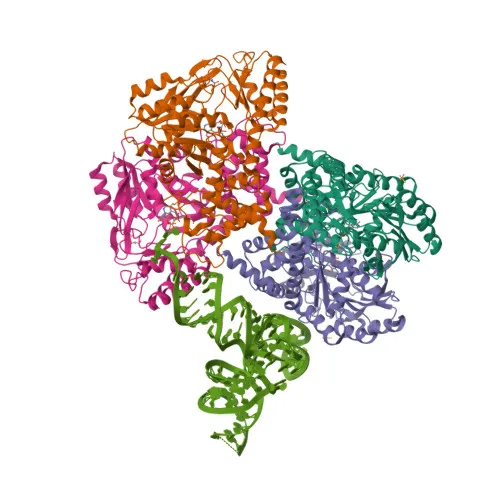
- SEPSECS (Sep(SecS)) is a pyridoxal phosphate-dependent transferase that converts O-phosphoseryl-tRNA(Sec) to selenocysteinyl-tRNA(Sec), an essential step for selenoprotein biosynthesis.
- It is also known as the SLA/LP autoantigen, recognized by autoantibodies in autoimmune hepatitis, and as soluble liver antigen (SLA) or liver-pancreas antigen (LP).
- The enzyme localizes to the cytoplasm where it matures the tRNA carrying selenocysteine, the 21st amino acid.
- SEPSECS is primarily expressed in the liver, pancreas, kidney, and lung, with increased expression in PHA-stimulated T-cells.
- It is a phosphoprotein and a tRNA-binding protein, reflecting its role in protein synthesis machinery regulation.
- Mutations in the SEPSECS gene are implicated in pontocerebellar hypoplasia type 2D (PCH2D), a severe neurodegenerative disorder characterized by intellectual disability and epilepsy.
Experimental Guidance and Technical Tips
- The immunogen corresponds to amino acids 222–501, spanning a conserved region suitable for detecting endogenous SEPSECS across human, mouse, and rat samples.
- For Western blot, expect a band around 56 kDa; consider using liver, pancreas, or kidney lysates as positive controls based on tissue expression profiles.
- Validate antibody specificity in your experimental setup, especially when working with overexpressed or stimulated cell models (e.g., PHA-treated T-cells) that upregulate SEPSECS.
- For IF/ICC, fix and permeabilize cells appropriately; cytoplasmic staining pattern should be observed.
- Optimize ELISA conditions with recombinant SEPSECS protein or peptide as coating antigen to establish a standard curve.
CamelBio: Your One-Stop Sourcing Bridge
CamelBio supports diagnostic manufacturers and research labs with comprehensive IVD raw material solutions. This anti-SEPSECS polyclonal antibody, validated for multiple applications, is available alongside paired reagents, recombinant proteins, and bulk ancillary materials to accelerate your selenoprotein-related research or diagnostic assay development. Contact us for custom sourcing of rare targets or validated antibody pairs to meet your clinical and R&D needs.
Product Datasheet
Anti-SEPSECS Rabbit Polyclonal Antibody for WB, IF/ICC, ELISA - Q9HD40
REQUEST A QUOTE
Our professional team will reply to you within one business day. Please feel free to contact us!