Monoclonal Antibodies
Anti-SENP1 Rabbit Monoclonal Antibody for WB, ELISA - Q9P0U3
Item Number : CM0007943
Price varies based on specs and customizations
- Application
- WB, ELISA
- Cross Reactivity
- Human
- Protein Weight
- 73kDa

Shipping:
Contact us to get shipping details Enjoy On-time Dispatch Guarantee.
Why Choose Us
Easy ordering process, quality products, and dedicated support for your business success.
Core Product Specifications and Parameters
| Parameter | Value |
|---|---|
| Product Name | SENP1 Rabbit mAb |
| Remarks/Alias | SuPr-2; SENP1 |
| Species | Human |
| Gene ID (Human) | 29843 |
| Immunogen | Recombinant fusion protein containing a sequence corresponding to amino acids 400-501 of human SENP1 (Q9P0U3) |
| Source | Rabbit |
| Category | Monoclonal Antibodies |
| Application | WB, ELISA |
| Cross Reactivity | Human |
| SWISS | Q9P0U3 |
| Protein Weight | 73kDa |
| Shipping | Ice bag |
Biological Background: SENP1 Function and Localization
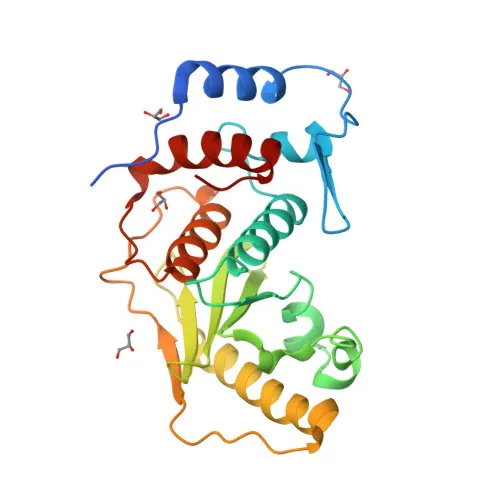
- SENP1 (Sentrin-specific protease 1), also known as SuPr-2, is a 73 kDa deSUMOylating enzyme belonging to the SUMO-specific protease family. It processes SUMO precursors and removes SUMO from target proteins, playing a pivotal role in the SUMOylation cycle. Related references: PMID:10652325, PMID:15199155, PMID:15487983
- The enzyme catalyzes both the C-terminal hydrolysis of SUMO1/2/3 propeptides to generate mature SUMO and the isopeptidase cleavage of SUMO from modified lysine residues, thereby regulating numerous cellular processes. Related references: PMID:15199155, PMID:16253240, PMID:21829689
- SENP1 deconjugates SUMO1 from various transcription regulators, including HDAC1, BHLHE40/DEC1, and CLOCK, modulating their transcriptional repression or activation activities. Related references: PMID:15199155, PMID:21829689, PMID:23160374
- It also desumoylates RNA modification enzymes such as METTL3 and ALKBH5, inhibiting m6A RNA methylation through distinct mechanisms. Related references: PMID:29506078, PMID:34048572, PMID:37257451
- Subcellularly, SENP1 is found in the nucleus and cytoplasm, consistent with its roles in nuclear transcription and cytoplasmic signaling.
- Tissue expression profiling reveals high SENP1 levels in testis, with moderate expression in thymus, pancreas, spleen, liver, ovary, and small intestine.
- SENP1 is classified as a thiol protease and contains conserved catalytic residues; it is also a phosphoprotein subject to alternative splicing.
Experimental Guidance and Technical Tips
- The immunogen (residues 400–501) resides within the catalytic domain of SENP1, suggesting recognition of the protease-active region; validate by Western blot, expecting a band near 73 kDa in human cell lysates.
- For ELISA applications, consider using recombinant full-length SENP1 or the immunogen fragment as a positive control and optimize coating conditions.
- Given SENP1’s dual nuclear and cytoplasmic localization, cell fractionation combined with WB can help confirm subcellular distribution patterns.
- Because SENP1 expression is tissue-specific, choose samples carefully (e.g., testis for high expression) to ensure detection sensitivity in WB.
CamelBio: Your One-Stop Sourcing Bridge
At CamelBio, we specialize in bridging the gap between raw-material discovery and diagnostic application. Our comprehensive portfolio includes validated antibody pairs, optimized monoclonal and polyclonal antibodies, and bulk ancillary reagents tailored for the IVD industry. For researchers exploring SUMOylation pathways and SENP1-related biomarkers, we offer one-stop sourcing of high-quality reagents, backed by custom development and supply chain solutions to accelerate your project from concept to clinic.
REQUEST A QUOTE
Our professional team will reply to you within one business day. Please feel free to contact us!