Polyclonal Antibodies
Anti-SEL1L Rabbit Polyclonal Antibody for WB, IF/ICC, ELISA - Q9UBV2
Item Number : CM0016338
Price varies based on specs and customizations
- Application
- WB, IF/ICC, ELISA
- Cross Reactivity
- Human, Mouse, Rat
- Protein Weight
- 89kDa

Shipping:
Contact us to get shipping details Enjoy On-time Dispatch Guarantee.
Why Choose Us
Easy ordering process, quality products, and dedicated support for your business success.
Core Product Specifications and Parameters
| Parameter | Value |
|---|---|
| Product Name | SEL1L Rabbit pAb |
| Remarks/Alias | Hrd3; SEL1L1; PRO1063; SEL1-LIKE; SEL1L |
| Species | Human |
| Gene ID (Human) | 6400 |
| Gene ID | 6400 |
| Immunogen | Recombinant fusion protein containing a sequence corresponding to amino acids 22-190 of human SEL1L (NP_005056.3). |
| Source | Rabbit |
| Category | Polyclonal Antibodies |
| Application | WB, IF/ICC, ELISA |
| Cross Reactivity | Human, Mouse, Rat |
| SWISS | Q9UBV2 |
| Protein Weight | 89kDa |
| Shipping | Ice bag |
Biological Background: SEL1L Function and Localization
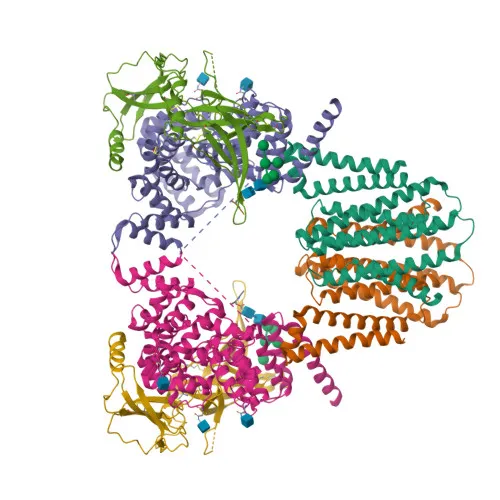
- SEL1L, also known as Protein sel-1 homolog 1 or Suppressor of lin-12-like protein 1, is encoded by the SEL1L gene and shares sequence homology with the yeast Hrd3 protein.
- It functions as a key component of the ER quality control system, facilitating ubiquitin-dependent degradation of misfolded proteins via the ERAD pathway. Related references: PMID:16186509, PMID:29997207, PMID:37943610
- SEL1L stabilizes the E3 ubiquitin ligase SYVN1/HRD1, promoting efficient retrotranslocation and degradation of ERAD substrates.
- The protein contributes to the maturation and secretion of lipoprotein lipase (LPL), linking ER quality control with systemic lipid metabolism.
- It is required for normal pancreas epithelial differentiation and exocrine function, and is highly expressed in pancreatic tissue.
- There is evidence that SEL1L may modulate Notch signaling, potentially through its interaction with the Notch receptor or its regulators.
- SEL1L is an endoplasmic reticulum transmembrane protein, with its bulk domain residing in the ER lumen.
- The protein undergoes alternative splicing and post-translational modifications including phosphorylation and disulfide bond formation (keywords: Glycoprotein, Phosphoprotein, Disulfide bond).
Experimental Guidance and Technical Tips
- The immunogen corresponds to the N-terminal region (aa 22-190) of human SEL1L, likely targeting a conserved domain; consider sequence alignment to verify reactivity in mouse and rat.
- For Western blotting, a band around 89–100 kDa is expected due to post-translational modifications; reduce potential degradation by including protease inhibitors.
- In immunofluorescence/ICC, permeabilization is necessary to detect the ER lumenal domain; co-staining with ER markers (e.g., calnexin) is recommended.
- ELISA performance should be validated using recombinant SEL1L or cell lysates; coat antigen in native or denaturing conditions depending on application.
CamelBio: Your One-Stop Sourcing Bridge
CamelBio provides diagnostic manufacturers and research laboratories with a streamlined one-stop channel for IVD raw materials. Our portfolio includes validated antibody pairs, optimized polyclonal and monoclonal antibodies, and bulk ancillary reagents to support research into ER homeostasis and protein quality control. From concept to clinic, we bridge critical supply gaps for rare and complex targets like SEL1L.
REQUEST A QUOTE
Our professional team will reply to you within one business day. Please feel free to contact us!