Polyclonal Antibodies
Anti-SCLY Polyclonal Antibody for WB, ELISA - Q96I15
Item Number : CM0014523
Price varies based on specs and customizations
- Application
- WB, ELISA
- Cross Reactivity
- Human, Mouse, Rat
- Protein Weight
- 48kDa

Shipping:
Contact us to get shipping details Enjoy On-time Dispatch Guarantee.
Why Choose Us
Easy ordering process, quality products, and dedicated support for your business success.
Core Product Specifications and Parameters
| Parameter | Value |
|---|---|
| Product Name | SCLY Rabbit pAb |
| Remarks/Alias | SCL; hSCL; SCLY |
| Species | Human |
| GeneID (Human) | 51540 |
| GeneID | 51540 |
| Immunogen | Recombinant fusion protein containing a sequence corresponding to amino acids 284-453 of human SCLY (NP_057594.4) |
| Source | Rabbit |
| Category | Polyclonal Antibodies |
| Application | WB, ELISA |
| Cross Reactivity | Human, Mouse, Rat |
| SWISS | Q96I15 |
| Protein Weight | 48kDa |
| Shipping | Ice bag |
Biological Background: SCLY Function and Localization
- SCLY (selenocysteine lyase), also known as SCL or hSCL, is a pyridoxal phosphate-dependent enzyme that catalyzes the decomposition of L-selenocysteine into L-alanine and elemental selenium.
- The enzyme plays a critical role in selenium recycling and the provision of selenium for selenoprotein biosynthesis.
- Subcellular localization studies indicate that SCLY resides predominantly in the cytoplasm, specifically the cytosol.
- Post-translational modifications, including acetylation and phosphorylation, have been identified and may regulate its enzymatic activity.
- Alternative splicing generates multiple transcript variants, potentially producing isoforms with distinct functional properties.
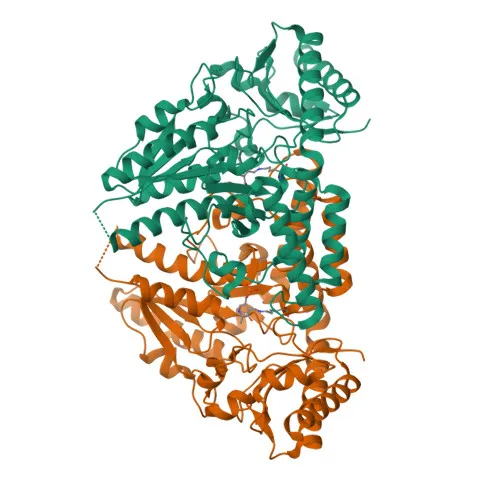
- Structural studies have resolved the 3D conformation of SCLY, revealing key residues involved in substrate binding and catalysis.
- UniProt keywords highlight its classification as a lyase and transferase, alongside evidence for proteomics identification and a reference proteome.
Experimental Guidance and Technical Tips
- The immunogen corresponds to the C-terminal region (aa 284–453), which is conserved among human, mouse, and rat, supporting cross-reactivity.
- For Western blot, the predicted molecular weight is 48 kDa; validate band specificity using lysates from relevant species and a suitable loading control.
- In ELISA, test the antibody against recombinant protein or endogenous antigen; optimize coating and detection conditions for your specific assay format.
- Since SCLY is cytosolic, consider subcellular fractionation to enrich the target and reduce background in WB experiments.
- Cross-adsorption or blocking with the immunogen may help confirm signal specificity if non-specific bands are observed.
CamelBio: Your One-Stop Sourcing Bridge
CamelBio empowers diagnostic manufacturers and research laboratories with a complete range of IVD raw materials, from validated antibody pairs to bulk ancillary reagents. This anti-SCLY polyclonal antibody is part of our offering for studies on selenium metabolism and selenoprotein function. Whatever your raw-material sourcing needs—common or rare targets—CamelBio provides integrated solutions and expert support to move your projects from concept to clinic.
REQUEST A QUOTE
Our professional team will reply to you within one business day. Please feel free to contact us!