Polyclonal Antibodies
Anti-SATB2 Rabbit Polyclonal Antibody for WB, IHC-P, ELISA - Q9UPW6
Item Number : CM0022425
Price varies based on specs and customizations
- Application
- WB, IHC-P, ELISA
- Cross Reactivity
- Human, Rat
- Protein Weight
- 83kDa

Shipping:
Contact us to get shipping details Enjoy On-time Dispatch Guarantee.
Why Choose Us
Easy ordering process, quality products, and dedicated support for your business success.
Core Product Specifications and Parameters
| Parameter | Value |
|---|---|
| Product Name | SATB2 Rabbit pAb |
| Remarks/Alias | GLSS; DEL2Q32Q33; C2DELq32q33; SATB2 |
| Species | Human |
| Gene ID (Human) | 23314 |
| Gene ID | 23314 |
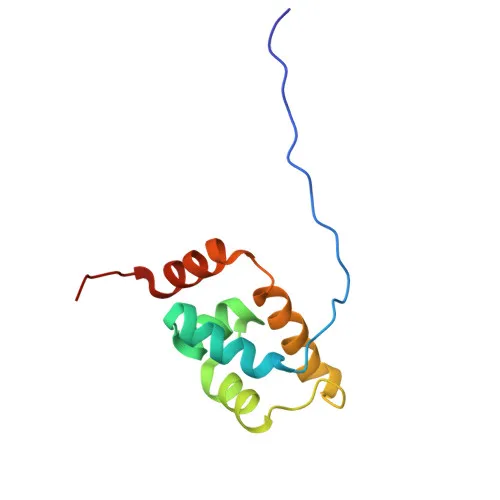
| Immunogen | Synthetic peptide corresponding to amino acids 634-733 of human SATB2 (NP_001165980.1) |
| Source | Rabbit |
| Category | Polyclonal Antibodies |
| Application | WB, IHC-P, ELISA |
| Cross Reactivity | Human, Rat |
| SWISS | Q9UPW6 |
| Protein Weight | 83kDa |
| Shipping | Ice bag |
Biological Background: SATB2 Function and Localization
- DNA-binding protein SATB2 (Special AT-rich sequence-binding protein 2) is encoded by the SATB2 gene (Gene ID: 23314) and belongs to the SATB family of chromatin organizers.
- It functions as a transcription factor that binds to matrix attachment regions (MARs) of DNA, inducing local chromatin-loop remodeling and serving as a docking platform for chromatin remodeling enzymes, HDACs, and HATs.
- SATB2 is required for the initiation of upper-layer neuron (UL1)-specific genetic programs and the inactivation of deep-layer neuron genes, possibly via modulation of BCL11B expression; it acts as a repressor of CTIP2 and determines corticocortical connections.
- It also serves as a molecular node in transcriptional networks regulating skeletal development and osteoblast differentiation.
- The protein localizes to the nuclear matrix.
- Expression is highest in adult brain, with moderate levels in fetal brain and weak expression in adult liver, kidney, spinal cord, and select brain regions (amygdala, corpus callosum, caudate nucleus, hippocampus).
- SATB2 is subject to alternative splicing, phosphorylation, and ubiquitination (isopeptide bond), and is involved in chromosomal rearrangements associated with intellectual disability and disease variants.
Experimental Guidance and Technical Tips
- The immunogen corresponds to a C-terminal region (aa 634–733), which may produce antibodies recognizing multiple SATB2 isoforms; consider this when interpreting results across different tissues or species.
- For Western blot, the predicted molecular weight is approximately 83 kDa; validate detection with appropriate positive and negative control lysates (e.g., brain or osteoblast cell lines).
- In IHC-P, antigen retrieval conditions (e.g., heat-induced in citrate buffer) should be optimized; use human brain cortex or colon tissue as positive controls, as SATB2 is known to be expressed in these sites.
- ELISA performance can be assessed using the immunizing peptide as a positive control; titration of the antibody and inclusion of a non-specific IgG control are recommended.
- Cross-reactivity with human and rat is specified; if using other species, perform sequence alignment and preliminary testing.
CamelBio: Your One-Stop Sourcing Bridge
CamelBio provides diagnostic manufacturers, labs, and research institutes with one-stop access to IVD raw materials, technical services, and consulting, covering every stage from concept to clinic. Our extensive catalog includes validated SATB2 antibodies, recombinant proteins, and ancillary reagents for neurodevelopmental and skeletal research applications. Rely on CamelBio for bulk monoclonal/polyclonal antibody supply, rare-target raw-material sourcing, and comprehensive support to accelerate your assay development.
REQUEST A QUOTE
Our professional team will reply to you within one business day. Please feel free to contact us!