Polyclonal Antibodies
Anti-SAE1 Rabbit Polyclonal Antibody for WB, ELISA - Q9UBE0
Item Number : CM0030252
Price varies based on specs and customizations
- Application
- WB, ELISA
- Cross Reactivity
- Human, Mouse
- Protein Weight
- 38kDa

Shipping:
Contact us to get shipping details Enjoy On-time Dispatch Guarantee.
Why Choose Us
Easy ordering process, quality products, and dedicated support for your business success.
Core Product Specifications and Parameters
| Parameter | Value |
|---|---|
| Product Name | SAE1 Rabbit pAb |
| Remarks/Alias | AOS1; SUA1; UBLE1A; HSPC140; SAE1 |
| Species | Human |
| GeneID (Human) | 10055 |
| GeneID | 10055 |
| Immunogen | Recombinant fusion protein containing a sequence corresponding to amino acids 1-346 of human SAE1 (NP_005491.1) |
| Source | Rabbit |
| Category | Polyclonal Antibodies |
| Application | WB, ELISA |
| Cross Reactivity | Human, Mouse |
| SWISS | Q9UBE0 |
| Protein Weight | 38kDa |
| Shipping | Ice bag |
Biological Background: SAE1 Function and Localization
- SAE1 (SUMO-activating enzyme subunit 1), also known as AOS1, SUA1, UBLE1A, or HSPC140, is encoded by the SAE1 gene (Gene ID: 10055).
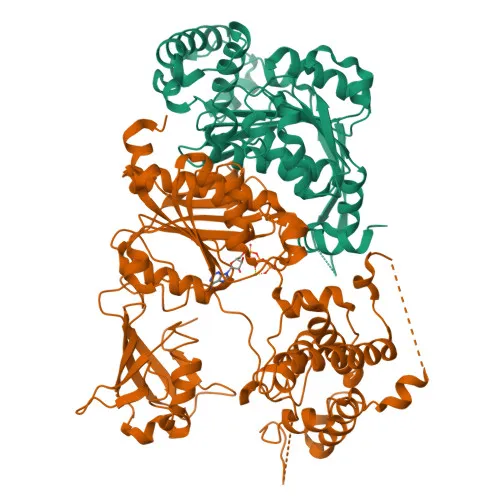
- It forms a heterodimer with UBA2 (SAE2) that functions as the E1 activating enzyme for SUMO1, SUMO2, SUMO3, and likely SUMO4, initiating the SUMOylation cascade.
- The heterodimer catalyzes ATP-dependent activation of SUMO proteins, forming a thioester bond between the C‑terminal glycine of SUMO and a conserved cysteine on UBA2/SAE2, priming SUMO for transfer to E2 conjugating enzymes.
- SAE1 localizes predominantly to the nucleus, consistent with its role in regulating nuclear processes such as transcription, DNA repair, and chromosome segregation through SUMOylation.
- Post‑translational modifications of SAE1 include acetylation and phosphorylation, which may modulate its activity, stability, or interaction with UBA2 and SUMO substrates.
- SAE1 protein expression increases during S phase and declines in G2 phase, suggesting cell cycle‑dependent regulation of SUMOylation machinery.
- The SUMO‑activating enzyme is essential for global SUMO conjugation, a pathway implicated in cellular stress responses, nuclear dynamics, and disease states including cancer and neurodegeneration.
- Alternative splicing of SAE1 yields multiple isoforms, which may contribute to functional diversity in SUMO pathway regulation.
Experimental Guidance and Technical Tips
- The immunogen spans the N‑terminal 346 amino acids of human SAE1; therefore, this antibody may detect both full‑length and N‑terminal fragments. Consider epitope location when analyzing truncation mutants.
- For Western blot, expect a predominant band near 38 kDa in human and mouse lysates. Validate band specificity using positive and negative controls relevant to your sample system.
- For ELISA, recombinant SAE1 or cell lysates can serve as coating antigen; optimize antibody dilution and detection conditions empirically.
- Cross‑reactivity with mouse SAE1 suggests utility in mouse models; confirm performance in the intended tissue or cell type before large‑scale experiments.
CamelBio: Your One‑Stop Sourcing Bridge
CamelBio provides diagnostic manufacturers and research laboratories with a comprehensive range of IVD raw materials, including validated antibody pairs, optimized polyclonal and monoclonal antibodies, bulk ancillary reagents, and sourcing for rare targets. This SAE1 rabbit polyclonal antibody exemplifies our commitment to supplying high‑quality research tools for the SUMOylation pathway, supporting studies in cell signaling, cancer biology, and drug discovery. Let CamelBio streamline your raw material procurement from concept to clinic.
REQUEST A QUOTE
Our professional team will reply to you within one business day. Please feel free to contact us!