Monoclonal Antibodies
Anti-SAE1 Rabbit Monoclonal Antibody for WB and ELISA - Q9UBE0
Item Number : CM0003310
Price varies based on specs and customizations
- Application
- WB, ELISA
- Cross Reactivity
- Human
- Protein Weight
- 38kDa

Shipping:
Contact us to get shipping details Enjoy On-time Dispatch Guarantee.
Why Choose Us
Easy ordering process, quality products, and dedicated support for your business success.
Core Product Specifications and Parameters
| Parameter | Value |
|---|---|
| Product Name | SAE1 Rabbit mAb |
| Remarks/Alias | AOS1, SUA1, UBLE1A, HSPC140, SAE1 |
| Species | Human |
| GeneID (Human) | 10055 |
| GeneID | 10055 |
| Immunogen | A synthetic peptide corresponding to a sequence within amino acids 200-300 of human SAE1 (Q9UBE0). |
| Source | Rabbit |
| Category | Monoclonal Antibodies |
| Application | WB, ELISA |
| Cross Reactivity | Human |
| SWISS | Q9UBE0 |
| Protein Weight | 38kDa |
| Shipping | Ice bag |
Biological Background: SAE1 Function and Localization
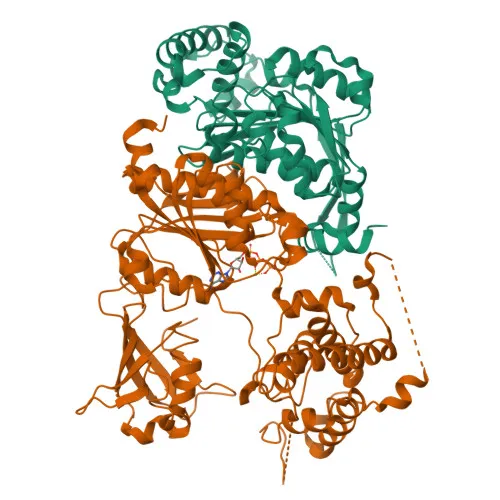
- SAE1 (SUMO-activating enzyme subunit 1), also known as AOS1, SUA1, UBLE1A, and HSPC140, is a critical component of the SUMOylation pathway.
- It forms a heterodimer with UBA2/SAE2 to function as the E1 activating enzyme for SUMO proteins, including SUMO1, SUMO2, SUMO3, and likely SUMO4.
- The SAE1/UBA2 heterodimer catalyzes ATP-dependent activation of SUMO and mediates thioester bond formation between SUMO and the active site cysteine of UBA2.
- Located predominantly in the nucleus, SAE1 participates in the regulation of numerous nuclear processes through SUMO modification of target proteins.
- SAE1 expression is cell cycle regulated, with protein levels increasing during S phase and declining in G2 phase.
- Post-translational modifications of SAE1 include acetylation and phosphorylation, and alternative splicing generates multiple transcript variants.
- As part of the ubiquitin-like (Ubl) conjugation pathway, SAE1 plays a fundamental role in maintaining cellular proteostasis.
Experimental Guidance and Technical Tips
- For Western blotting, nuclear-enriched extracts or whole cell lysates may be used; validate detection of the ~38 kDa band under reducing conditions.
- When performing ELISA, consider using the synthetic immunogen peptide as a positive control to assess antibody binding.
- Cross-reactivity with other species has not been evaluated; verify reactivity in your specific sample system.
- Optimize antibody dilution and assay conditions as monoclonal antibodies may exhibit epitope-specific binding characteristics.
CamelBio: Your One-Stop Sourcing Bridge
CamelBio offers integrated support for diagnostic and research communities, supplying validated antibody pairs, optimized monoclonal antibodies like the SAE1 Rabbit mAb, and bulk ancillary reagents for SUMO pathway investigation. Our platform streamlines tailored raw-material sourcing—from concept to commercialization—including rare targets and custom development. Rely on CamelBio to accelerate your assay development with reliable, high-quality critical components.
REQUEST A QUOTE
Our professional team will reply to you within one business day. Please feel free to contact us!