Polyclonal Antibodies
Anti-S1PR2 Rabbit Polyclonal Antibody for WB and ELISA - O95136
Item Number : CM0019536
Price varies based on specs and customizations
- Application
- WB, ELISA
- Cross Reactivity
- Mouse, Rat
- Protein Weight
- 39kDa

Shipping:
Contact us to get shipping details Enjoy On-time Dispatch Guarantee.
Why Choose Us
Easy ordering process, quality products, and dedicated support for your business success.
Core Product Specifications and Parameters
| Parameter | Value |
|---|---|
| Product Name | S1PR2 Rabbit pAb |
| Remarks/Alias | EDG5; H218; LPB2; S1P2; AGR16; EDG-5; DFNB68; Gpcr13; S1PR2 |
| Species | Human |
| GeneID (Human) | 9294 |
| GeneID | 9294 |
| Immunogen | Synthetic peptide; A synthetic peptide corresponding to a sequence within amino acids 250-353 of human S1PR2 (NP_004221.3) |
| Source | Rabbit |
| Category | Polyclonal Antibodies |
| Application | WB, ELISA |
| Cross Reactivity | Mouse, Rat |
| SWISS | O95136 |
| Protein Weight | 39kDa |
| Shipping | Ice bag |
Biological Background: S1PR2 Function and Localization
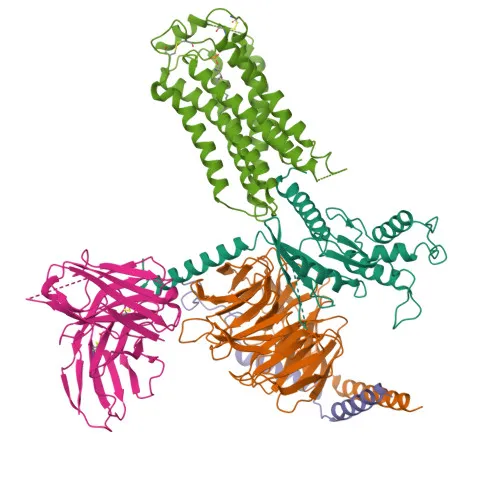
- S1PR2 is a G protein-coupled receptor for sphingosine 1-phosphate (S1P), a bioactive lysophospholipid involved in diverse physiological processes such as cell proliferation and apoptosis suppression. Related references: PMID:10617617, PMID:25274307
- It also acts as a receptor for the chemokine-like protein FAM19A5, mediating the inhibitory effect on vascular smooth muscle cell proliferation and migration. Related references: PMID:29453251
- In lymphoid germinal centers, S1PR2 couples S1P to GNA13 activation, leading to AKT inhibition and suppression of B cell growth and egress.
- The receptor localizes to the cell membrane and undergoes post-translational modifications including glycosylation and palmitoylation.
- Mutations in S1PR2 are associated with non-syndromic deafness (DFNB68), highlighting its role in hearing.
- UniProt keyword classifications: 3D-structure, cell membrane, deafness, disease variant, G protein-coupled receptor, glycoprotein, lipoprotein, membrane, non-syndromic deafness, palmitate, receptor, transducer, transmembrane.
Experimental Guidance and Technical Tips
- The immunogen corresponds to a C-terminal intracellular region (residues 250-353), which may provide specificity for S1PR2 over other S1P receptors; however, confirm with appropriate controls.
- For WB, the predicted molecular weight is ~39 kDa (UniProt 38.9 kDa), but glycosylation may cause a shift; consider using deglycosylation enzymes if bands appear diffuse.
- The antibody cross-reacts with mouse and rat S1PR2 homologs; validate in your specific sample system to confirm species reactivity.
- For ELISA, optimize coating conditions and antibody dilutions based on sample type and expected concentration.
CamelBio: Your One-Stop Sourcing Bridge
CamelBio is your dedicated partner for IVD raw-material sourcing, offering a comprehensive portfolio from validated antibody pairs to bulk ancillary reagents. For S1PR2 research—spanning GPCR signaling, sphingolipid biology, and hearing loss—we provide optimized polyclonal antibodies to accelerate your assay development. Leverage our expertise in rare target sourcing and one-stop supply chain solutions to seamlessly move from concept to clinical application.
REQUEST A QUOTE
Our professional team will reply to you within one business day. Please feel free to contact us!