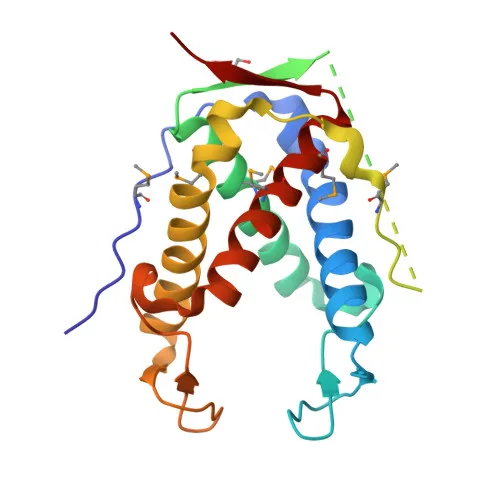
Polyclonal Antibodies
Anti-RYR1 Polyclonal Antibody for WB, ELISA - P21817
Item Number : CM0020837
Price varies based on specs and customizations
- Application
- WB, ELISA
- Cross Reactivity
- Mouse
- Protein Weight
- 565kDa

Shipping:
Contact us to get shipping details Enjoy On-time Dispatch Guarantee.
Why Choose Us
Easy ordering process, quality products, and dedicated support for your business success.
Core Product Specifications and Parameters
| Parameter | Value |
|---|---|
| Product Name | RYR1 Rabbit pAb |
| Remarks/Alias | CCO; KDS; MHS; RYR; MHS1; RYDR; SKRR; RYR-1; CMYP1A; CMYP1B; PPP1R137; RYR1 |
| Species | Human |
| GeneID | 6261 |
| Immunogen | A synthetic peptide corresponding to a sequence within amino acids 800-900 of human RYR1 (NP_000531.2). |
| Source | Rabbit |
| Category | Polyclonal Antibodies |
| Application | WB, ELISA |
| Cross Reactivity | Mouse |
| SWISS | P21817 |
| Protein Weight | 565kDa |
| Shipping | Ice bag |
Biological Background: RYR1 Function and Localization
- Cytosolic calcium-activated calcium channel that mediates the release of Ca²⁺ from the sarcoplasmic reticulum into the cytosol, playing a key role in triggering muscle contraction upon T-tubule depolarization. Related references: PMID:11741831 PMID:16163667 PMID:18268335
- Repeated high-level exercise increases RYR1 open probability, leading to Ca²⁺ leakage into the cytoplasm, which may contribute to muscle fatigue and impaired function. Related references: PMID:18268335
- Mediates Ca²⁺ release from intracellular stores in neurons, potentially promoting prolonged calcium signaling in the brain.
- Essential for normal embryonic development of skeletal muscle fibers, heart morphogenesis, skin development, and ossification (By similarity).
- Localized to the sarcoplasmic reticulum membrane in muscle cells.
- Highly expressed in skeletal muscle and specific brain regions (cerebellum and hippocampus).
- Classified as a ligand-gated ion channel with ATP- and calmodulin-binding capabilities; various post-translational modifications including phosphorylation and S-nitrosylation are reported. Mutations are linked to malignant hyperthermia and central core disease.
Experimental Guidance and Technical Tips
- The antibody was raised against a synthetic peptide within the 800-900 amino acid region of human RYR1. Consider sequence alignment with mouse RYR1 to assess cross-reactivity when designing experiments.
- Validated applications include Western blot (WB) and ELISA. For WB, due to the large molecular weight of RYR1 (~565 kDa), use low-percentage SDS-PAGE gels, extended transfer times, and appropriate high-molecular-weight markers.
- Cross-reactivity with mouse has been confirmed; for other species, verify sequence homology and validate in the relevant sample system before routine use.
- The antibody may be suitable for other applications like immunohistochemistry or immunoprecipitation; however, these require independent optimization and validation.
CamelBio: Your One-Stop Sourcing Bridge
CamelBio is dedicated to providing diagnostic manufacturers and researchers with seamless access to a broad portfolio of IVD raw materials, from validated antibody pairs and optimized monoclonal/polyclonal antibodies to bulk ancillary reagents and specialized sourcing for rare targets. For projects centered on muscle physiology, calcium signaling, and related pathologies, the Anti-RYR1 Polyclonal Antibody represents a reliable reagent within our comprehensive one-stop offering, streamlining your transition from concept to clinic.
REQUEST A QUOTE
Our professional team will reply to you within one business day. Please feel free to contact us!
Related Articles
ROX in qPCR: The Quiet Reference That Makes Diagnostic Signals Trustworthy
Learn how ROX normalizes qPCR fluorescence, stabilizes Ct calls, and shapes the trade-off between instrument compatibility and multiplexing.
ROX in Real-Time PCR: The Optical Trade-Off Behind Precision and Multiplexing
Understand how ROX normalization corrects qPCR signal variation, how optics consume channels, and how to choose the right master mix.
From Fluorescence to Diagnostic Truth: Choosing Passive Reference Dyes for qPCR Master Mixes
Learn how passive reference dyes stabilize qPCR signals, improve diagnostic reproducibility, and guide ROX formulation across instrument platforms.
Why Open Chemistry and Flexible Reaction Volumes Define Better Diagnostic PCR Systems
Learn how open chemistry compatibility and flexible reaction volumes improve PCR assay control, sensitivity, cost, scalability, and supply independence.