Polyclonal Antibodies
Anti-RRP8 Polyclonal Antibody for WB, ELISA - O43159
Item Number : CM0023760
Price varies based on specs and customizations
- Application
- WB, ELISA
- Cross Reactivity
- Human, Mouse, Rat
- Protein Weight
- 51kDa

Shipping:
Contact us to get shipping details Enjoy On-time Dispatch Guarantee.
Why Choose Us
Easy ordering process, quality products, and dedicated support for your business success.
Core Product Specifications and Parameters
| Parameter | Value |
|---|---|
| Product Name | RRP8 Rabbit pAb |
| Remarks/Alias | NML; KIAA0409; RRP8 |
| Species | Human |
| GeneID (human) | 23378 |
| GeneID | 23378 |
| Immunogen | Synthetic peptide|A synthetic peptide corresponding to a sequence within amino acids 100-200 of human RRP8 (NP_056139.1) |
| Source | Rabbit |
| Category | Polyclonal Antibodies |
| Application | WB, ELISA |
| Cross Reactivity | Human, Mouse, Rat |
| SWISS | O43159 |
| Protein Weight | 51kDa |
| Shipping | Ice bag |
Biological Background: RRP8 Function and Localization
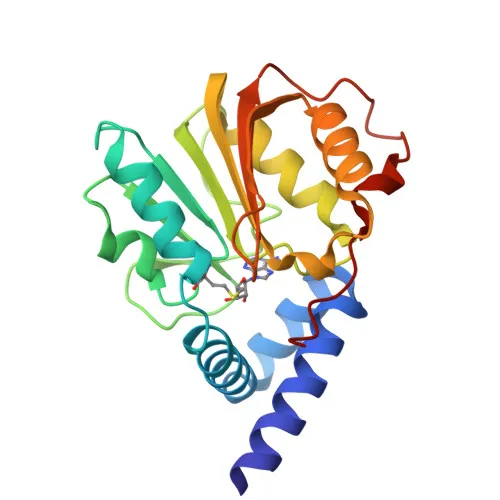
- RRP8 (Ribosomal RNA-processing protein 8), also known as Nucleomethylin or Cerebral protein 1, is a nucleolar protein that functions as a key component of the energy-dependent nucleolar silencing (eNoSC) complex.
- The eNoSC complex mediates transcriptional silencing of ribosomal DNA (rDNA) in response to cellular energy status, linking metabolism to rRNA expression.
- Upon glucose starvation, elevated NAD+/NADP+ activates SIRT1, which deacetylates histone H3, enabling SUV39H1-mediated dimethylation of H3K9 (H3K9me2); RRP8 binds to H3K9me2, facilitating silent chromatin formation at the rDNA locus.
- RRP8 is predicted to possess methyltransferase activity, though its substrates remain unidentified, suggesting potential roles in chromatin modification.
- Subcellularly, RRP8 localizes predominantly to the nucleus, specifically the nucleolus, consistent with its role in rDNA regulation.
- The protein is subject to phosphorylation and is classified as a chromatin regulator, methyltransferase, transcriptional repressor, and rRNA processing factor.
Experimental Guidance and Technical Tips
- For Western blotting, use standard protocols with appropriate loading controls; the predicted molecular weight is 51 kDa, but actual migration may vary.
- Validate antibody specificity in your experimental system by using positive controls (e.g., human, mouse, or rat cell lines expressing RRP8) and consider knockdown or knockout validation.
- Due to the use of a peptide immunogen, confirmation of specificity via blocking peptide competition is recommended.
- For ELISA, optimize coating conditions and antibody dilutions empirically; the antibody may be suitable for indirect or sandwich ELISA setups depending on available capture/detection pairs.
CamelBio: Your One-Stop Sourcing Bridge
CamelBio provides diagnostic manufacturers and researchers with one-stop access to IVD raw materials and technical services, covering every stage from concept to clinic. For studies on rDNA silencing and epigenetic regulation, we offer validated antibodies, optimized monoclonal/polyclonal antibody pairs, and bulk ancillary reagents. Our sourcing capabilities extend to rare target raw materials, ensuring a reliable supply for your RRP8-related research and assay development.
REQUEST A QUOTE
Our professional team will reply to you within one business day. Please feel free to contact us!