Polyclonal Antibodies
Anti-RPN1 Rabbit Polyclonal Antibody for WB, IHC-P, ELISA - P04843
Item Number : CM0015071
Price varies based on specs and customizations
- Application
- WB, IHC-P, ELISA
- Cross Reactivity
- Human, Mouse, Rat
- Protein Weight
- 69kDa

Shipping:
Contact us to get shipping details Enjoy On-time Dispatch Guarantee.
Why Choose Us
Easy ordering process, quality products, and dedicated support for your business success.
Core Product Specifications and Parameters
| Parameter | Value |
|---|---|
| Product Name | RPN1 Rabbit pAb |
| Remarks/Alias | OST1; RBPH1; RPN1 |
| Species | Human |
| Gene ID (Human) | 6184 |
| Immunogen | Recombinant fusion protein containing a sequence corresponding to amino acids 20-280 of human RPN1 (NP_002941.1) |
| Source | Rabbit |
| Category | Polyclonal Antibodies |
| Application | WB, IHC-P, ELISA |
| Cross Reactivity | Human, Mouse, Rat |
| SWISS | P04843 |
| Protein Weight | 69kDa |
| Shipping | Ice bag |
Biological Background: RPN1 Function and Localization
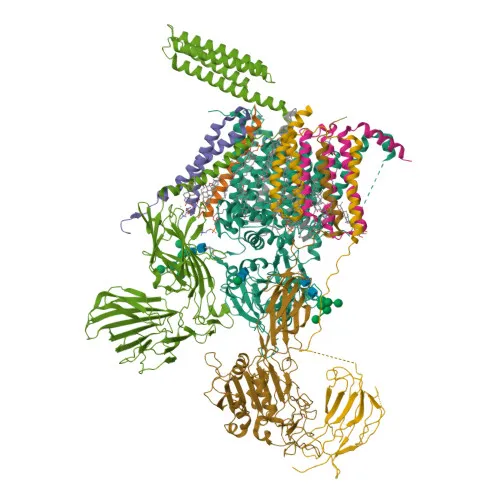
- RPN1 encodes the dolichyl-diphosphooligosaccharide--protein glycosyltransferase 67 kDa subunit, also known as Ribophorin I (RPN-I), a core component of the oligosaccharyl transferase (OST) complex.
- The OST complex catalyzes the initial step of N-glycosylation by transferring a preassembled glycan from dolichol-pyrophosphate to asparagine residues within Asn-X-Ser/Thr motifs on nascent polypeptides (PubMed:31831667). Related references: PMID:31831667
- RPN1 is an integral membrane protein of the endoplasmic reticulum (ER) and associates with the Sec61 translocon complex to facilitate cotranslational glycosylation.
- All OST subunits, including RPN1, are required for maximal catalytic activity, highlighting its indispensable role in protein processing.
- Subcellular localization includes the ER membrane and, additionally, melanosomes, as identified through proteomic analyses.
- Expressed ubiquitously across all tissues tested, consistent with a fundamental housekeeping function in glycoprotein biosynthesis.
- Post-translational modifications include acetylation and ubiquitination, which may regulate protein stability or interactions.
Experimental Guidance and Technical Tips
- The immunogen spans amino acids 20-280, corresponding to a conserved region of human RPN1; cross-reactivity with mouse and rat is expected based on sequence homology.
- For Western blotting, the predicted molecular weight is 69 kDa, but the endogenous protein may migrate differently due to glycosylation or other modifications; consider using deglycosylation enzymes if anomalous bands are observed.
- In immunohistochemistry (IHC-P), antigen retrieval methods should be optimized, and tissues with high secretory activity (e.g., liver, pancreas) may serve as positive controls.
- Validate antibody performance in the intended application using appropriate controls, such as knockdown or knockout cell lines, to confirm specificity.
- For ELISA, pairing with a capture antibody or optimizing coating conditions may be necessary, as this polyclonal preparation contains multiple epitope reactivities.
CamelBio: Your One-Stop Sourcing Bridge
CamelBio empowers diagnostic manufacturers and researchers with a complete one-stop sourcing solution for IVD raw materials, from early R&D to clinical application. For investigations into protein N-glycosylation and ER biology, we can supply validated antibodies like this anti-RPN1 polyclonal, along with ancillary reagents such as enzyme substrates, reference proteins, and matched antibody pairs. Our global network also supports the procurement of rare-target raw materials and custom antibody development, ensuring consistent, scalable supply for your assay workflows.
REQUEST A QUOTE
Our professional team will reply to you within one business day. Please feel free to contact us!