Monoclonal Antibodies
Anti-RPL13 Rabbit Monoclonal Antibody for WB, IHC-P, IF/ICC, ELISA - P26373
Item Number : CM0005171
Price varies based on specs and customizations
- Application
- WB, IHC-P, IF/ICC, ELISA
- Cross Reactivity
- Human, Mouse, Rat
- Protein Weight
- 18kDa/24kDa

Shipping:
Contact us to get shipping details Enjoy On-time Dispatch Guarantee.
Why Choose Us
Easy ordering process, quality products, and dedicated support for your business success.
Core Product Specifications and Parameters
| Parameter | Value |
|---|---|
| Product Name | RPL13 Rabbit mAb |
| Remarks/Alias | L13; BBC1; eL13; D16S44E; SEMDIST; D16S444E; RPL13 |
| Species | Human |
| Gene ID (Human) | 6137 |
| Gene ID | 6137 |
| Immunogen | Synthetic peptide corresponding to amino acids 1-100 of human RPL13 (NP_150254.1) |
| Source | Rabbit |
| Category | Monoclonal Antibodies |
| Application | WB, IHC-P, IF/ICC, ELISA |
| Cross Reactivity | Human, Mouse, Rat |
| SWISS | P26373 |
| Protein Weight | 18kDa/24kDa |
| Shipping | Ice bag |
Biological Background: RPL13 Function and Localization
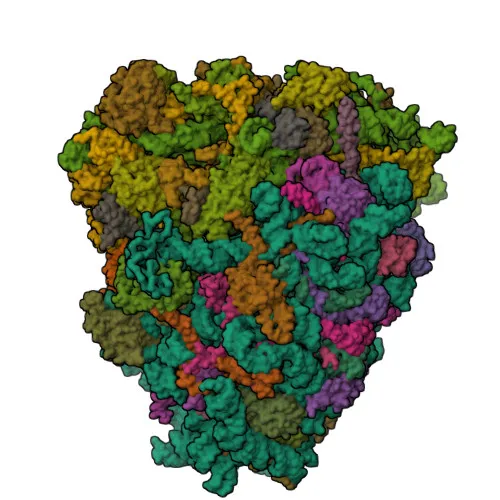
- RPL13 encodes the 60S ribosomal protein L13, also known as eL13 or breast basic conserved protein 1, a component of the large ribosomal subunit.
- As part of the ribosome, it is essential for protein synthesis: the large subunit catalyzes peptide bond formation, while the nascent polypeptide exits through the ribosomal tunnel. Related references: PMID:23636399, PMID:31630789, PMID:32669547
- RPL13 is likely required for large subunit formation and maturation of ribosomal RNAs (rRNAs), contributing to ribosome biogenesis. Related references: PMID:31630789
- It plays a role in bone development; mutations in this gene are associated with skeletal dysplasias. Related references: PMID:31630789
- The protein localizes primarily to the cytoplasm, consistent with its ribosomal function.
- RPL13 is subject to various post-translational modifications including acetylation, phosphorylation, and ubiquitination, which may regulate its activity or stability.
- Expression is higher in benign breast lesions compared to carcinomas, suggesting a possible tumor-suppressive or tissue-differentiation context.
Experimental Guidance and Technical Tips
- Since the immunogen is a synthetic peptide from the N-terminal region (aa 1-100), consider that the antibody may preferentially recognize the full-length protein or specific isoforms depending on epitope accessibility.
- For Western blotting, note that RPL13 has a predicted molecular weight of ~24 kDa, but an additional band at 18 kDa may be observed due to alternative splicing or post-translational processing; validate with appropriate controls.
- In immunohistochemistry (IHC-P), RPL13 is ubiquitously expressed in most tissues; optimal signal-to-noise ratios may require careful titration and antigen retrieval optimization.
- For immunofluorescence (IF/ICC), cytoplasmic localization should be confirmed with appropriate counterstaining (e.g., DAPI for nuclei).
- When using ELISA, consider pairing with a separate capture antibody if developing sandwich assays, as the immunogen region may be sterically hindered.
CamelBio: Your One-Stop Sourcing Bridge
CamelBio supports diagnostic manufacturers and research laboratories with streamlined access to high-quality IVD raw materials. For ribosomal research targets like RPL13, we offer validated monoclonal antibodies, custom bulk production, and supplementary reagents such as recombinant proteins and assay buffers. Partner with us to simplify your supply chain from concept through clinical development.
REQUEST A QUOTE
Our professional team will reply to you within one business day. Please feel free to contact us!