Monoclonal Antibodies
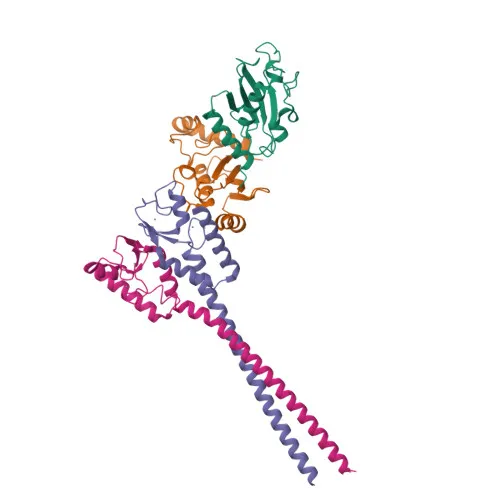
Anti-RNF8 Rabbit Monoclonal Antibody for WB, IHC-P, ELISA - O76064
Item Number : CM0006724
Price varies based on specs and customizations
- Application
- WB, IHC-P, ELISA
- Cross Reactivity
- Human, Mouse, Rat
- Protein Weight
- 56kDa

Shipping:
Contact us to get shipping details Enjoy On-time Dispatch Guarantee.
Why Choose Us
Easy ordering process, quality products, and dedicated support for your business success.
Core Product Specifications and Parameters
| Parameter | Value |
|---|---|
| Product Name | RNF8 Rabbit mAb |
| Remarks/Alias | hRNF8; RNF8 |
| Species | Human |
| GeneID (Human) | 9025 |
| GeneID | 9025 |
| Immunogen | Recombinant protein|Recombinant fusion protein containing a sequence corresponding to amino acids 1-260 of human RNF8 (NP_003949.1) |
| Source | Rabbit |
| Category | Monoclonal Antibodies |
| Application | WB, IHC-P, ELISA |
| Cross Reactivity | Human, Mouse, Rat |
| SWISS | O76064 |
| Protein Weight | 56kDa |
| Shipping | Ice bag |
Biological Background: RNF8 Function and Localization
- E3 ubiquitin-protein ligase RNF8 (RING finger protein 8) is a key mediator of the DNA damage response, recruited to double-strand breaks by ATM-phosphorylated MDC1, where it catalyzes the 'Lys-63'-linked ubiquitination of histones H2A and H2AX, facilitating the assembly of DNA repair proteins such as BRCA1 and TP53BP1 into ionizing radiation-induced foci.
Related references: PMID:18001824, PMID:18006705 - RNF8 promotes the recruitment of the Fanconi anemia complex and factors like FAAP20 to DNA interstrand cross-links by mediating H2A/H2AX ubiquitination, and also coordinates ATM-dependent transcriptional silencing near DSBs to prevent transcription–repair collisions.
- Through distinct E2 enzyme interactions, RNF8 can form 'Lys-48'-linked polyubiquitin chains (e.g., with UBE2L6), leading to proteasomal degradation of substrates such as CHEK2, JMJD2A/KDM4A, and KU80/XRCC5, thereby modulating repair pathway choice and chromatin accessibility.
Related references: PMID:11322894, PMID:14981089, PMID:17724460 - It contributes to higher-order chromatin decondensation and indirectly activates ATM kinase by promoting histone H2B ubiquitination that triggers H4K16 acetylation.
- RNF8 is essential for spermatogenesis, driving histone replacement during sperm maturation, and participates in class switch recombination in the immune system via its role in DSB repair.
Related references: PMID:22865450 - The protein localizes predominantly to the nucleus, with additional presence in the cytoplasm, midbody, and at telomeres, consistent with its multifaceted roles in cell cycle progression and genome stability.
- Tissue expression is ubiquitous, with highest levels in brain, thymus, and liver during fetal development, and in brain and testis in adults, underscoring its broad importance in DNA repair and chromatin regulation.
- The RNF8 protein contains a RING finger domain and is classified as a phosphoprotein, with a molecular weight of ~55.5 kDa (UniProt: 55518 Da). Keywords also highlight its involvements in host-virus interactions, metal-binding (zinc), and ubiquitin conjugation.
Experimental Guidance and Technical Tips
- The immunogen corresponds to the N-terminal 1–260 amino acids of human RNF8; thus the antibody may recognize epitopes within the N-terminal region, including the FHA domain, which is involved in phospho-dependent interactions.
- For Western blot, RNF8 is expected to migrate at an apparent molecular weight of ~56 kDa in human, mouse, and rat cell lysates; run appropriate positive and negative controls to confirm specificity.
- For IHC-P, consider optimizing antigen retrieval (e.g., citrate buffer, pH 6.0) and validate in tissues with known RNF8 expression, such as testis or brain.
- For ELISA, end-users should determine optimal coating concentrations and detection conditions using the recombinant antigen or relevant sample types.
- Cross-reactivity with mouse and rat RNF8 has been reported; verify performance in the relevant model systems before routine use.
CamelBio: Your One-Stop Sourcing Bridge
CamelBio provides diagnostic manufacturers and research laboratories with integrated access to a broad portfolio of IVD raw materials, supporting every stage from assay development to clinical application. Our RNF8 antibody complements DNA damage repair research and immunoassay development, with offerings that include validated antibody pairs, optimized monoclonal and polyclonal antibodies, and ancillary reagents for enhanced workflow efficiency. For challenging targets or unique project requirements, CamelBio leverages dedicated supply channels to source rare raw materials, streamlining your procurement process and accelerating your path from concept to clinic.
REQUEST A QUOTE
Our professional team will reply to you within one business day. Please feel free to contact us!