Polyclonal Antibodies
Anti-RNF168 Polyclonal Antibody for WB, ELISA - Q8IYW5
Item Number : CM0030001
Price varies based on specs and customizations
- Application
- WB, ELISA
- Cross Reactivity
- Human, Mouse
- Protein Weight
- 65kDa

Shipping:
Contact us to get shipping details Enjoy On-time Dispatch Guarantee.
Why Choose Us
Easy ordering process, quality products, and dedicated support for your business success.
Core Product Specifications and Parameters
| Parameter | Value |
|---|---|
| Product Name | RNF168 Rabbit pAb |
| Remarks/Alias | RIDL; hRNF168; RNF168 |
| Species | Human |
| GeneID (Human) | 165918 |
| GeneID | 165918 |
| Immunogen | Recombinant fusion protein containing a sequence corresponding to amino acids 300-571 of human RNF168 (NP_689830.2) |
| Source | Rabbit |
| Category | Polyclonal Antibodies |
| Application | WB, ELISA |
| Cross Reactivity | Human, Mouse |
| SWISS | Q8IYW5 |
| Protein Weight | 65kDa |
| Shipping | Ice bag |
Biological Background: RNF168 Function and Localization
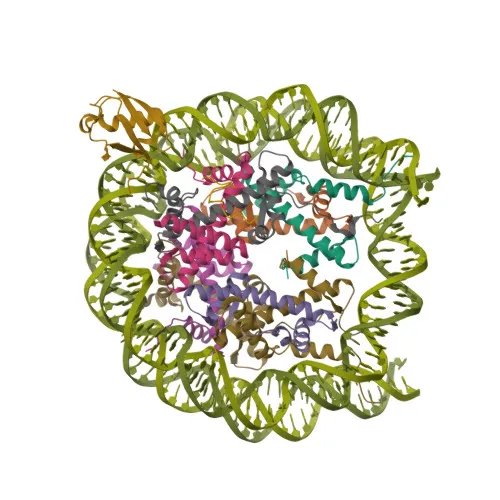
- E3 ubiquitin-protein ligase that catalyzes monoubiquitination of nucleosomal histone H2A at Lys-13 and Lys-15 (H2AK13Ub and H2AK15Ub), playing a central role in the DNA damage response.
- Acts with UBE2N/UBC13 downstream of RNF8 to amplify histone H2A and H2AX ubiquitination at double-strand breaks, promoting 'Lys-63'-linked ubiquitin chain formation and recruitment of repair proteins TP53BP1 and BRCA1.
- Also recruited to DNA interstrand cross-link (ICL) sites, where it mediates 'Lys-63'-linked ubiquitination of histones H2A and H2AX, facilitating Fanconi anemia (FA) complex assembly and repair.
- Following DNA damage, collaborates with RNF8 to ubiquitinate and degrade JMJD2A/KDM4A, unmasking the H4K20me2 mark to promote TP53BP1 loading at damage sites.
- Involved in class switch recombination in the immune system by regulating double-strand break repair pathways.
- Localizes to the nucleus, where it is recruited to DNA lesions through binding to pre-existing ubiquitinated histones H2A and H2AX.
- Belongs to the RING finger protein family; contains an N-terminal RING domain and C-terminal MIU motifs that mediate ubiquitin binding.
- Classified as a chromatin regulator and DNA repair factor; key biological keywords include metal-binding, phosphoprotein, transferase, and Ubl conjugation pathway.
Experimental Guidance and Technical Tips
- The immunogen corresponds to amino acids 300–571 of human RNF168, a region encompassing the C-terminal MIU motifs; this design may favor detection of the full-length protein at ~65kDa.
- For Western blotting, consider testing nuclear extracts from human or mouse cell lines, as RNF168 localizes to the nucleus and its expression may be induced under DNA-damaging conditions.
- ELISA may be used to screen hybridoma supernatants or quantify RNF168 levels; ensure the recombinant immunogen or a relevant peptide is used as coating antigen.
- Since RNF168 functions in ubiquitin-dependent signaling, include appropriate protease and deubiquitinase inhibitors during sample preparation to preserve potential ubiquitinated species.
- Validate antibody specificity and optimal dilution in your own experimental system, as performance can vary with sample type and treatment.
CamelBio: Your One-Stop Sourcing Bridge
CamelBio is a dedicated IVD raw-material partner, offering one-stop access to validated antibody pairs, optimized monoclonal and polyclonal antibodies, bulk ancillary reagents, and rare-target sourcing. For DNA damage and repair research, this anti-RNF168 polyclonal antibody supports your assay development and diagnostic projects. Contact us to discuss custom supply solutions and technical consultation tailored to your workflow.
REQUEST A QUOTE
Our professional team will reply to you within one business day. Please feel free to contact us!