Polyclonal Antibodies
Anti-RND1 Rabbit Polyclonal Antibody for WB - Q92730
Item Number : CM0013261
Price varies based on specs and customizations
- Application
- WB, IF/ICC, ELISA
- Cross Reactivity
- Mouse, Rat
- Protein Weight
- 26kDa

Shipping:
Contact us to get shipping details Enjoy On-time Dispatch Guarantee.
Why Choose Us
Easy ordering process, quality products, and dedicated support for your business success.
Core Product Specifications and Parameters
| Parameter | Description |
|---|---|
| Product Name | RND1 Rabbit pAb |
| Remarks/Alias | ARHS; RHO6; RHOS; RND1 |
| Species | Human |
| GeneID (Human) | 27289 |
| GeneID | 27289 |
| Immunogen | Synthetic peptide|A synthetic peptide corresponding to a sequence within amino acids 133-232 of human RND1 (NP_055285.1). |
| Source | Rabbit |
| Category | Polyclonal Antibodies |
| Application | WB, IF/ICC, ELISA |
| Cross Reactivity | Mouse, Rat |
| SWISS | Q92730 |
| Protein Weight | 26kDa |
| Shipping | Ice bag |
Biological Background: RND1 Function and Localization
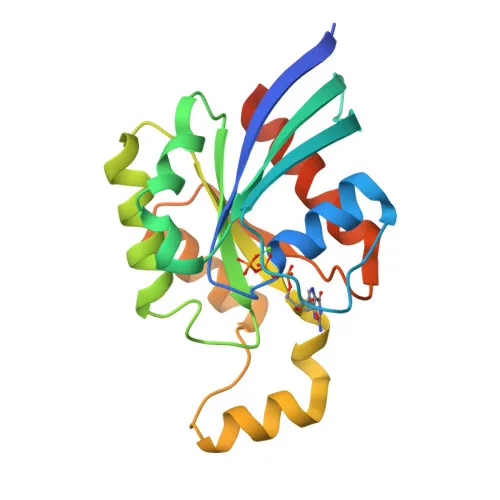
- RND1 (Rho family GTPase 1) is a member of the Rho family of small GTPases, functioning as a molecular switch in actin cytoskeleton remodeling.
- It lacks intrinsic GTPase activity and has low affinity for GDP, resulting in constitutive GTP binding and active signaling.
- RND1 induces Rac-dependent neuritic process formation and disrupts cortical actin filaments, playing a key role in neuronal morphology.
- Subcellularly, RND1 localizes to the cell membrane, cytoplasm, and cytoskeleton, consistent with its role in actin dynamics.
- The protein undergoes post-translational modifications including prenylation and methylation, which facilitate membrane association.
- Tissue expression is highest in the brain and liver, suggesting specialized roles in these organs.
Experimental Guidance and Technical Tips
- The immunogen is a synthetic peptide spanning amino acids 133–232, so the antibody may recognize the C-terminal region of RND1; consider epitope mapping for critical applications.
- For Western blotting, the predicted molecular weight is 26 kDa; a 12–15% SDS-PAGE gel and appropriate loading controls are recommended.
- In immunofluorescence/ICC, optimize fixation and permeabilization conditions due to the protein's membrane and cytoskeletal localization.
- The antibody cross-reacts with mouse and rat; validate in the relevant species model before use.
- As a polyclonal antibody, verify lot-to-lot consistency if used in quantitative or regulated assays.
CamelBio: Your One-Stop Sourcing Bridge
CamelBio provides diagnostic manufacturers and research labs with integrated access to IVD raw materials, from validated antibody pairs to bulk ancillary reagents. This anti-RND1 polyclonal antibody supports investigations into actin remodeling and neuronal development. For rare-target sourcing, custom immunogen design, or large-volume procurement, our team ensures seamless supply chain support across the full development pipeline.
REQUEST A QUOTE
Our professional team will reply to you within one business day. Please feel free to contact us!