Polyclonal Antibodies
Anti-RGS10 Rabbit Polyclonal Antibody for WB and ELISA - O43665
Item Number : CM0026219
Price varies based on specs and customizations
- Application
- WB, ELISA
- Cross Reactivity
- Human, Mouse, Rat
- Protein Weight
- 21kDa

Shipping:
Contact us to get shipping details Enjoy On-time Dispatch Guarantee.
Why Choose Us
Easy ordering process, quality products, and dedicated support for your business success.
Core Product Specifications and Parameters
| Parameter | Value |
|---|---|
| Product Name | RGS10 Rabbit pAb |
| Remarks/Alias | RGS10 |
| Species | Human |
| Gene ID | 6001 |
| Immunogen | Recombinant fusion protein containing a sequence corresponding to amino acids 1-181 of human RGS10 (NP_001005339.1) |
| Source | Rabbit |
| Category | Polyclonal Antibodies |
| Application | WB, ELISA |
| Cross Reactivity | Human, Mouse, Rat |
| SWISS | O43665 |
| Protein Weight | 21kDa |
| Shipping | Ice bag |
Biological Background: RGS10 Function and Localization
- RGS10 (Regulator of G protein signaling 10) is encoded by the RGS10 gene; alternative splicing produces multiple transcript variants.
- It functions as a GTPase-activating protein (GAP) for G protein alpha subunits, accelerating GTP hydrolysis and driving them into inactive GDP-bound state, thereby inhibiting GPCR signaling. It specifically modulates signaling downstream of the muscarinic acetylcholine receptor CHRM2 and influences potassium channel activity. Its activity on GNAZ is inhibited by palmitoylation of the G protein (PubMed:10608901, PubMed:11443111, PubMed:18434541, PubMed:9353196). Related references: PMID:10608901 PMID:11443111 PMID:18434541 PMID:9353196
- Subcellular localization includes the cytoplasm, cytosol, and nucleus.
- Post-translational modifications feature palmitoylation and phosphorylation, and it is annotated as a lipoprotein.
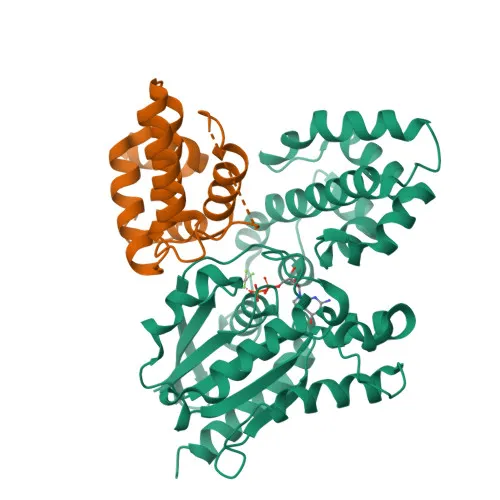
- The protein serves as a signal transduction inhibitor and is associated with GTPase activation, with its 3D structure elucidated.
Experimental Guidance and Technical Tips
- The immunogen comprises the N-terminal region (aa 1-181) of human RGS10; consider using full-length protein controls to confirm specificity.
- For Western blot (WB), reduced/denatured conditions are recommended due to the predicted molecular weight of ~21kDa; validate in target species (human, mouse, rat) lysates.
- In ELISA setups, consider the polyclonal nature for capture/detection; pairing with a monoclonal antibody may enhance specificity.
- As a rabbit polyclonal antibody, appropriate anti-rabbit secondary reagents should be used; cross-adsorbed secondary antibodies are advised to minimize background.
- When testing new sample types, include positive and negative controls to confirm reactivity and exclude non-specific binding.
CamelBio: Your One-Stop Sourcing Bridge
CamelBio streamlines IVD raw material procurement for diagnostic manufacturers and research labs, offering comprehensive solutions from discovery to commercialization. For RGS10 studies in GPCR signaling, we provide validated antibody pairs, bulk polyclonal and monoclonal antibodies, ancillary reagents, and rare target sourcing to support your assay development needs. Let us bridge your next project from concept to clinic with reliable, scalable supply.
REQUEST A QUOTE
Our professional team will reply to you within one business day. Please feel free to contact us!