Polyclonal Antibodies
Anti-RGN Polyclonal Antibody for WB, ELISA - Q15493
Item Number : CM0027370
Price varies based on specs and customizations
- Application
- WB, ELISA
- Cross Reactivity
- Human, Mouse, Rat
- Protein Weight
- 33kDa

Shipping:
Contact us to get shipping details Enjoy On-time Dispatch Guarantee.
Why Choose Us
Easy ordering process, quality products, and dedicated support for your business success.
Core Product Specifications and Parameters
| Parameter | Value |
|---|---|
| Product Name | RGN Rabbit pAb |
| Remarks/Alias | RC; GNL; SMP30; HEL-S-41; RGN |
| Species | Human |
| GeneID (Human) | 9104 |
| GeneID | 9104 |
| Immunogen | Recombinant protein|Recombinant fusion protein containing a sequence corresponding to amino acids 1-299 of human RGN (NP_004674.1). |
| Source | Rabbit |
| Category | Polyclonal Antibodies |
| Application | WB, ELISA |
| Cross Reactivity | Human, Mouse, Rat |
| SWISS | Q15493 |
| Protein Weight | 33kDa |
| Shipping | Ice bag |
Biological Background: Regucalcin (RGN) Function and Localization
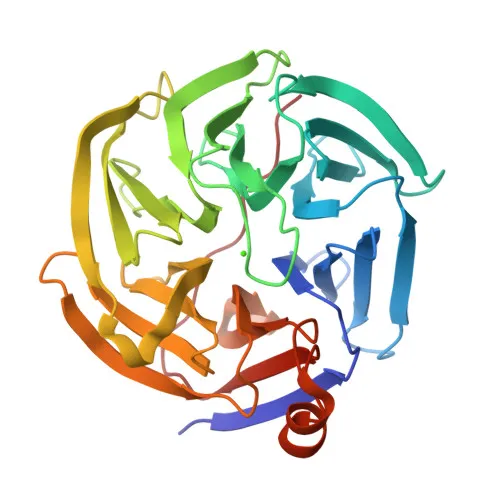
- Regucalcin (RGN), also known as gluconolactonase (GNL) or senescence marker protein 30 (SMP-30), is a calcium-binding protein with gluconolactonase activity.
- It exhibits hydrolase activity toward sugar lactones such as gluconolactone, gulonolactone, and galactonolactone, and can hydrolyze diisopropyl phosphorofluoridate and phenylacetate in vitro.
- RGN modulates Ca(2+) signaling and Ca(2+)-dependent cellular processes and enzyme activities (By similarity).
- The protein localizes primarily to the cytoplasm.
- RGN contains metal-binding sites for zinc and is classified under hydrolase, calcium-binding, and reference proteome keywords.
- Alternative splicing of the RGN gene produces multiple transcript variants, though the biological significance of these isoforms is not fully characterized.
- RGN was originally identified as a senescence marker protein (SMP-30), with expression decreasing in an age-dependent manner in certain tissues.
Experimental Guidance and Technical Tips
- The immunogen covers the full-length human RGN protein (amino acids 1-299), suggesting broad epitope coverage for detecting both native and denatured forms in Western blot (WB) and ELISA applications.
- In WB experiments, a band near 33 kDa is expected based on the predicted molecular weight of RGN.
- Optimization of antibody dilution and incubation conditions may be necessary for different sample types, given the use of a polyclonal antibody.
- Cross-reactivity with mouse and rat RGN allows application in rodent model studies; however, sequence alignment and verification in the specific model system are recommended.
CamelBio: Your One-Stop Sourcing Bridge
CamelBio serves as a comprehensive sourcing partner for IVD raw materials, offering validated antibody pairs, optimized polyclonal antibodies, bulk ancillary reagents, and specialized procurement for rare targets like regucalcin. Our supply chain supports diagnostic manufacturers and research laboratories in accelerating development from concept to clinic, particularly in the area of calcium signaling and aging-related biomarkers. Contact us to streamline your access to high-quality reagents for regucalcin and related targets.
REQUEST A QUOTE
Our professional team will reply to you within one business day. Please feel free to contact us!