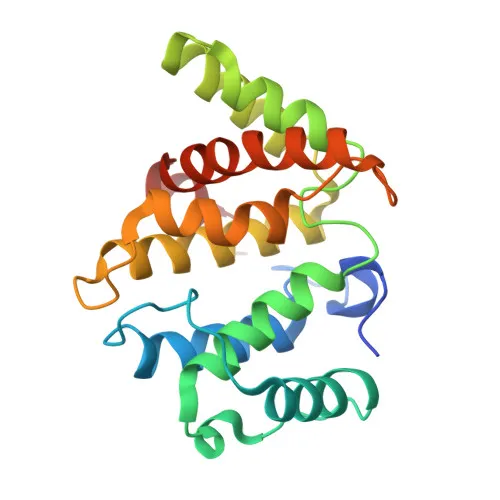
Monoclonal Antibodies
Anti-RGAP1 Monoclonal Antibody for WB, ELISA - Q9H0H5
Item Number : CM0003317
Price varies based on specs and customizations
- Application
- WB, ELISA
- Cross Reactivity
- Human
- Protein Weight
- 71 kDa

Shipping:
Contact us to get shipping details Enjoy On-time Dispatch Guarantee.
Why Choose Us
Easy ordering process, quality products, and dedicated support for your business success.
Core Product Specifications and Parameters
| Parameter | Value |
|---|---|
| Product Name | RGAP1 Rabbit mAb |
| Remarks/Alias | CYK4; CDAN3B; ID-GAP; HsCYK-4; MgcRacGAP; RGAP1 |
| Species | Human |
| Gene ID (Human) | 29127 |
| Gene ID | 29127 |
| Immunogen | Synthetic peptide corresponding to a sequence within amino acids 1-100 of human RGAP1 (Q9H0H5) |
| Source | Rabbit |
| Category | Monoclonal Antibodies |
| Application | WB, ELISA |
| Cross Reactivity | Human |
| SWISS | Q9H0H5 |
| Protein Weight | 71 kDa |
| Shipping | Ice bag |
Biological Background: RGAP1 Function and Localization
- RGAP1 (Rac GTPase-activating protein 1), also known as CYK4, MgcRacGAP, or HsCYK-4, is encoded by the RACGAP1 gene and functions primarily as a GTPase-activating protein for Rho family GTPases.
- It is a core component of the centralspindlin complex, a microtubule-dependent and Rho-mediated signaling complex essential for myosin contractile ring formation during cytokinesis. It sequentially binds ECT2 and RAB11FIP3 to regulate cleavage furrow ingression and abscission. Related references: PMID:18511905
- Beyond its structural role, RGAP1 controls cell growth and differentiation of hematopoietic cells through mechanisms independent of Rac GTPase activity (PubMed:10979956). It is also critical for erythropoiesis (PubMed:34818416). Related references: PMID:10979956 PMID:34818416
- The protein exhibits strong GTPase activation activity towards CDC42 and RAC1, with weaker activity against RHOA, implicating it in actin cytoskeleton remodeling and cell polarity.
- Subcellularly, RGAP1 dynamically localizes to the nucleus, cytoplasm, spindle, midbody, and cleavage furrow during cell division; it is also found in the acrosome of male germ cells.
- Expression is highest in testis, thymus, and placenta, is cell cycle-regulated with peak levels in G2/M phase, and may contribute to spermatogenesis and neuronal development.
Experimental Guidance and Technical Tips
- The immunogen used is an N‑terminal peptide (aa 1–100) of human RGAP1. Due to high sequence conservation, cross‑reactivity with non‑human species should be validated in the relevant sample matrix.
- For Western blot, the predicted molecular weight is ~71 kDa. Consider synchronizing cultured cells in G2/M phase to enrich RGAP1, as its expression peaks during mitosis.
- In ELISA applications, check that the coating antigen or detection format does not sterically compete with the peptide epitope recognized by this monoclonal antibody.
- Since RGAP1 resides in multiple subcellular compartments (nucleus, cytoplasm, midbody), cell fractionation or specific lysis buffers may improve signal detection in WB.
CamelBio: Your One-Stop Sourcing Bridge
CamelBio is a trusted partner for diagnostic manufacturers and research laboratories, offering one‑stop access to high‑quality IVD raw materials, from validated antibody pairs and optimized monoclonal/polyclonal antibodies to bulk ancillary reagents. This RGAP1 monoclonal antibody is well‑suited for cell cycle, cancer biology, and hematopoiesis studies, and reflects our capability to supply rare‑target reagents for translational research. Let CamelBio streamline your procurement—from concept to clinic.
REQUEST A QUOTE
Our professional team will reply to you within one business day. Please feel free to contact us!