Polyclonal Antibodies
Anti-RELB Rabbit Polyclonal Antibody for WB, IHC-P, ELISA - Q01201
Item Number : CM0016674
Price varies based on specs and customizations
- Application
- WB,IHC-P, ELISA
- Cross Reactivity
- Human, Mouse, Rat
- Protein Weight
- 62kDa

Shipping:
Contact us to get shipping details Enjoy On-time Dispatch Guarantee.
Why Choose Us
Easy ordering process, quality products, and dedicated support for your business success.
Core Product Specifications and Parameters
| Parameter | Value |
|---|---|
| Product Name | RELB Rabbit pAb |
| Remarks/Alias | IREL; I-REL; IMD53; REL-B; RELB |
| Species | Human |
| GeneID (human) | 5971 |
| GeneID | 5971 |
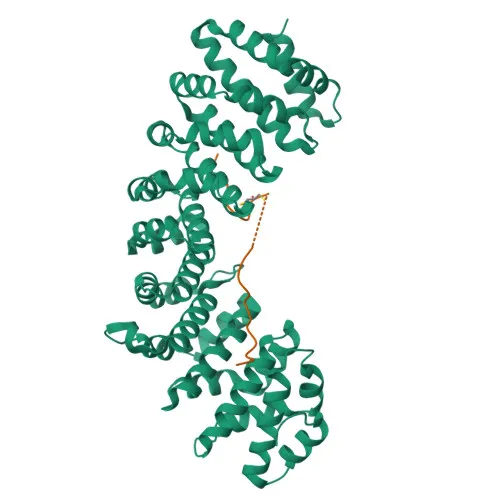
| Immunogen | Recombinant protein|Recombinant fusion protein containing a sequence corresponding to amino acids 296-436 of human RELB (NP_006500.2). |
| Source | Rabbit |
| Category | Polyclonal Antibodies |
| Application | WB,IHC-P, ELISA |
| Cross Reactivity | Human, Mouse, Rat |
| SWISS | Q01201 |
| Protein Weight | 62kDa |
| Shipping | Ice bag |
Biological Background: RELB Function and Localization
- RELB, also known as I-Rel, is a member of the NF-kappa-B transcription factor family, characterized by a conserved Rel homology domain responsible for DNA binding, dimerization, and nuclear localization.
- NF-kappa-B complexes are homo- or heterodimers formed by RELA/p65, RELB, NFKB1/p105, NFKB1/p50, REL, and NFKB2/p52. RELB forms transcriptionally active heterodimers with p50 or p52 but does not associate with RELA/p65 or REL.
- As a core component of NF-kappa-B signaling, RELB is involved in diverse biological processes, including inflammation, immunity, cell differentiation, growth, tumorigenesis, and apoptosis, by promoting target gene expression at kappa-B DNA sites.
- RELB localizes predominantly to the nucleus and cytoplasm, with additional associations with the cytoskeleton, microtubule-organizing center, and centrosome, suggesting roles beyond transcriptional regulation.
- The protein undergoes post-translational modifications such as phosphorylation and methylation, which modulate its activity, stability, and interactions with inhibitory I-kappa-B proteins.
- RELB is essential for T and B lymphocyte maturation and function, highlighting its critical role in adaptive immunity. Related references: PMID:26385063
- RELB regulates the circadian clock by repressing the transcriptional activator activity of the CLOCK-BMAL1 heterodimer in a CRY1/CRY2-independent manner, with enhanced repression in the presence of NFKB2/p52.
Experimental Guidance and Technical Tips
- For Western blot (WB), the predicted molecular weight of RELB is ~62 kDa; consider using appropriate positive control lysates from human, mouse, or rat cells.
- For immunohistochemistry (IHC-P), antigen retrieval optimization may be necessary; include relevant tissue controls and validate staining specificity.
- In ELISA applications, titrate both coating antigen and antibody to determine optimal working concentrations; the immunogen region (aa 296-436) may be used for assay design.
- As a polyclonal antibody, it may detect multiple epitopes; batch-to-batch consistency should be verified in the intended application.
- Cross-reactivity with mouse and rat allows for translational studies, but antibody performance should be validated in the corresponding species’ sample matrix.
CamelBio: Your One-Stop Sourcing Bridge
CamelBio is your one-stop partner for IVD raw materials, offering validated antibody pairs, optimized polyclonal and monoclonal antibodies, bulk ancillary reagents, and customized sourcing for rare targets. This anti-RELB antibody supports NF-kappa-B pathway research and can be integrated into diagnostic assay development processes. Leverage our comprehensive support from concept to clinic to streamline your IVD projects.
REQUEST A QUOTE
Our professional team will reply to you within one business day. Please feel free to contact us!