Polyclonal Antibodies
Anti-REG1A Polyclonal Antibody for WB and ELISA - P05451
Item Number : CM0029465
Price varies based on specs and customizations
- Application
- WB, ELISA
- Cross Reactivity
- Human, Mouse, Rat
- Protein Weight
- 19kDa

Shipping:
Contact us to get shipping details Enjoy On-time Dispatch Guarantee.
Why Choose Us
Easy ordering process, quality products, and dedicated support for your business success.
Core Product Specifications and Parameters
| Parameter | Value |
|---|---|
| Product Name | REG1A Rabbit pAb |
| Remarks/Alias | P19, PSP, PTP, REG, ICRF, PSPS, PSPS1, REG1A |
| Species | Human |
| GeneID (Human) | 5967 |
| GeneID | 5967 |
| Immunogen | A synthetic peptide corresponding to a sequence within amino acids 50-150 of human REG1A (NP_002900.2) |
| Source | Rabbit |
| Category | Polyclonal Antibodies |
| Application | WB, ELISA |
| Cross Reactivity | Human, Mouse, Rat |
| SWISS | P05451 |
| Protein Weight | 19kDa |
| Shipping | Ice bag |
Biological Background: REG1A Function and Localization
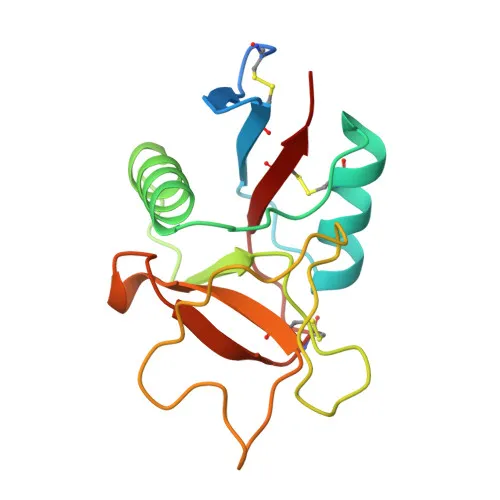
- REG1A, also known as Lithostathine-1-alpha, Islet cells regeneration factor (ICRF), Pancreatic stone protein (PSP), Pancreatic thread protein (PTP), and Regenerating islet-derived protein 1-alpha (REG-1-alpha), is a secreted protein primarily expressed in pancreatic acinar cells and, to a lesser extent, in the brain.
- It functions as an inhibitor of spontaneous calcium carbonate precipitation, potentially preventing stone formation in pancreatic ducts.
- REG1A is implicated in neuronal sprouting and regeneration processes in both the brain and pancreas, suggesting a role in tissue repair and neuroprotection.
- Enhanced expression of REG1A and intraneuronal accumulation of related proteins have been observed in brain tissues from patients with Alzheimer disease and Down syndrome, linking it to neurodegenerative pathologies.
- Structurally, REG1A contains a signal peptide, disulfide bonds, and glycosylation sites, and it belongs to the lectin family, featuring a carbohydrate recognition domain.
- Post-translational modifications include the formation of pyrrolidone carboxylic acid, and the mature protein has a molecular weight of approximately 19 kDa (UniProt: 18731 Da).
Experimental Guidance and Technical Tips
- The immunogen corresponds to a conserved region (aa 50-150) of human REG1A; cross-reactivity with mouse and rat is expected, but validate in your specific model system.
- For Western blotting, expect a specific band around 19 kDa. Consider reducing conditions to break disulfide bonds for optimal detection.
- In ELISA applications, use appropriate sample types such as serum, plasma, or cell culture supernatant, as REG1A is secreted.
- As this is a polyclonal antibody, lot-to-lot variability may occur; titrate the antibody for each new batch to determine the optimal working concentration.
- If an application is not listed (e.g., IHC or IF), perform in-house validation, as the antibody has not been tested in those contexts. Also, check for potential cross-reactivity with other REG family members.
CamelBio: Your One-Stop Sourcing Bridge
CamelBio is a trusted partner for diagnostic manufacturers and research institutes, offering one-stop access to IVD raw materials, technical services, and consulting. For targets like REG1A, we provide validated antibody pairs, optimized polyclonal antibodies, bulk ancillary reagents, and can assist in sourcing rare targets to accelerate your pancreatic and neurological disease research. From concept to clinic, CamelBio streamlines your procurement and development workflow.
REQUEST A QUOTE
Our professional team will reply to you within one business day. Please feel free to contact us!