Polyclonal Antibodies
Anti-RCC1 Polyclonal Antibody for WB, IHC-P, IF/ICC, ELISA - P18754
Item Number : CM0027674
Price varies based on specs and customizations
- Application
- WB, IHC-P, IF/ICC, ELISA
- Cross Reactivity
- Human, Mouse, Rat
- Protein Weight
- 45kDa

Shipping:
Contact us to get shipping details Enjoy On-time Dispatch Guarantee.
Why Choose Us
Easy ordering process, quality products, and dedicated support for your business success.
Core Product Specifications and Parameters
| Parameter | Value |
|---|---|
| Product Name | RCC1 Rabbit pAb |
| Remarks/Alias | CHC1; RCC1-I; RCC1 |
| Species | Human |
| Gene ID (Human) | 1104 |
| Immunogen | Recombinant fusion protein containing a sequence corresponding to amino acids 1-240 of human RCC1 (NP_001260.1). |
| Source | Rabbit |
| Category | Polyclonal Antibodies |
| Application | WB, IHC-P, IF/ICC, ELISA |
| Cross Reactivity | Human, Mouse, Rat |
| SWISS | P18754 |
| Protein Weight | 45kDa |
| Shipping | Ice bag |
Biological Background: RCC1 Function and Localization
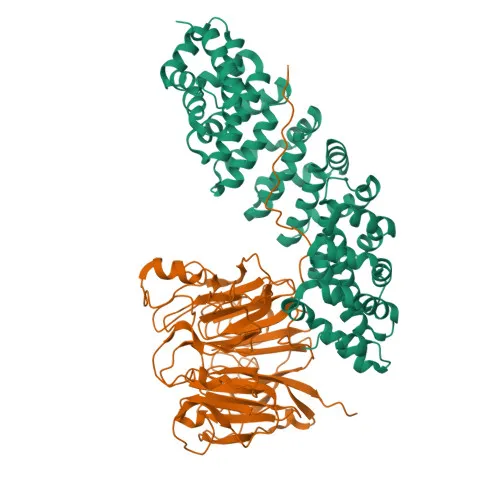
- RCC1 (Regulator of Chromosome Condensation 1), also known as CHC1 or RCC1-I, is a guanine-nucleotide releasing factor (GEF) for the small GTPase Ran, catalyzing the exchange of GDP for GTP.
- By promoting GTP-bound Ran formation, RCC1 plays a critical role in nuclear import and mitotic spindle assembly, ensuring proper progression through mitosis. Related references: PMID:11336674 PMID:17435751 PMID:1944575
- RCC1 binds directly to nucleosomes and double-stranded DNA, which is essential for generating high local concentrations of chromosome-associated Ran-GTP during mitosis. Related references: PMID:12194828 PMID:22215983 PMID:18762580
- The protein localizes primarily to the nucleus and chromosomes, but can also be found in the cytoplasm under certain conditions.
- RCC1 undergoes multiple post-translational modifications, including phosphorylation and methylation, and alternative splicing generates different isoforms.
- UniProt keywords indicate that disease variants in RCC1 are associated with neuropathy.
Experimental Guidance and Technical Tips
- The immunogen corresponds to the N-terminal region (aa 1-240) of human RCC1, which is expected to recognize the full-length protein (~45 kDa) and potentially its isoforms.
- For Western blot (WB), a band around 45 kDa is anticipated in human, mouse, and rat cell lysates; however, users should validate specificity in their experimental system.
- For immunohistochemistry (IHC-P) and immunofluorescence (IF/ICC), appropriate fixation and permeabilization protocols should be optimized for the tissue or cell line of interest.
- ELISA applications may require indirect detection formats; consider pairing with a suitable secondary antibody and validate detection limits.
CamelBio: Your One-Stop Sourcing Bridge
CamelBio is your trusted one-stop sourcing bridge for IVD raw materials, supporting diagnostics developers, research labs, and manufacturers from concept to clinic. This anti-RCC1 polyclonal antibody serves as a valuable tool for investigating chromosome condensation, nuclear transport, and cell cycle regulation. Beyond this antibody, CamelBio provides a comprehensive portfolio of validated antibody pairs, monoclonal and polyclonal antibodies, bulk ancillary reagents, and customized sourcing solutions for rare targets—all designed to accelerate your assay development and production timelines.
REQUEST A QUOTE
Our professional team will reply to you within one business day. Please feel free to contact us!