Polyclonal Antibodies
Anti-RBP7 Polyclonal Antibody for WB, IF/ICC, ELISA - Q96R05
Item Number : CM0024327
Price varies based on specs and customizations
- Application
- WB, IF/ICC, ELISA
- Cross Reactivity
- Mouse, Rat
- Protein Weight
- 16kDa

Shipping:
Contact us to get shipping details Enjoy On-time Dispatch Guarantee.
Why Choose Us
Easy ordering process, quality products, and dedicated support for your business success.
Core Product Specifications and Parameters
| Parameter | Value |
|---|---|
| Product Name | RBP7 Rabbit pAb |
| Remarks/Alias | CRBP4; CRABP4; CRBPIV; RBP7 |
| Species | Human |
| GeneID (Human) | 116362 |
| GeneID | 116362 |
| Immunogen | Recombinant fusion protein containing a sequence corresponding to amino acids 1-134 of human RBP7 (NP_443192.1). |
| Source | Rabbit |
| Category | Polyclonal Antibodies |
| Application | WB, IF/ICC, ELISA |
| Cross Reactivity | Mouse, Rat |
| SWISS | Q96R05 |
| Protein Weight | 16kDa |
| Shipping | Ice bag |
Biological Background: RBP7 Function and Localization
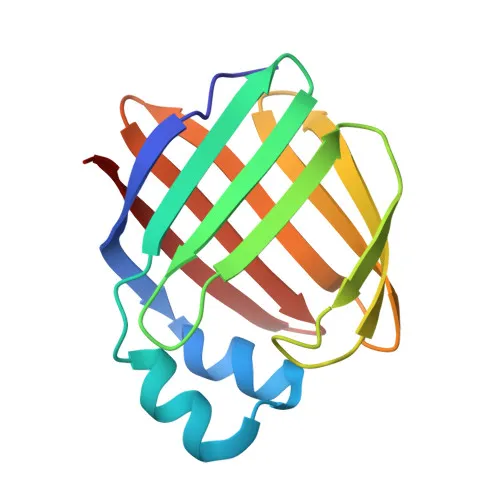
- RBP7, also known as cellular retinoic acid-binding protein 4 (CRABP4) or CRBP4, is a member of the intracellular lipid-binding protein family that specifically binds retinol.
- It functions in the intracellular transport of retinol, a form of vitamin A, facilitating its delivery to target sites within the cell.
- The protein is localized in the cytoplasm, consistent with its role in intracellular trafficking of hydrophobic ligands.
- RBP7 is expressed primarily in kidney, heart, and transverse colon, with additional detection in adult lymph node, appendix, ascending colon, and in fetal heart and spleen.
- As a retinoid-binding protein, it is involved in vitamin A metabolism and may participate in retinoic acid signaling pathways indirectly through retinol delivery.
- Keywords associated with RBP7 include 3D-structure, cytoplasm, proteomics identification, retinol-binding, transport, and vitamin A, underscoring its biochemical and functional characterization.
Experimental Guidance and Technical Tips
- The immunogen used is a recombinant fusion protein covering amino acids 1–134 of human RBP7 (NP_443192.1), representing the full-length protein, which likely generates antibodies that recognize native and denatured forms; consider using it for both WB and IF/ICC.
- For WB, a band around 16 kDa is expected; validate the molecular weight against appropriate markers and include positive controls from kidney or heart tissues where RBP7 is expressed.
- The antibody cross-reacts with mouse and rat, enabling studies in rodent models; however, confirm reactivity in your specific experimental setup.
- For IF/ICC, anticipate cytoplasmic staining; include appropriate fixation and permeabilization conditions to preserve the native conformation if desired.
- ELISA can be employed for quantitative analysis, but ensure pairing with a suitable detection system; the polyclonal nature may provide broad recognition.
CamelBio: Your One-Stop Sourcing Bridge
CamelBio offers a comprehensive range of IVD raw materials for diagnostic and research applications, including validated polyclonal antibodies like this anti-RBP7 antibody. As a one-stop sourcing partner, we supply optimized antibody pairs, monoclonal/polyclonal antibodies, and bulk ancillary reagents, while also assisting with rare target raw-material procurement. Whether you're developing retinoid metabolism assays or exploring RBP7's role in disease, CamelBio supports your project from concept to clinic.
REQUEST A QUOTE
Our professional team will reply to you within one business day. Please feel free to contact us!