Polyclonal Antibodies
Anti-RBMX/hnRNP G Rabbit Polyclonal Antibody for WB, ELISA - P38159
Item Number : CM0018372
Price varies based on specs and customizations
- Application
- WB, ELISA
- Cross Reactivity
- Mouse
- Protein Weight
- 42kDa

Shipping:
Contact us to get shipping details Enjoy On-time Dispatch Guarantee.
Why Choose Us
Easy ordering process, quality products, and dedicated support for your business success.
Core Product Specifications and Parameters
| Parameter | Value |
|---|---|
| Product Name | RBMX/hnRNP G Rabbit pAb |
| Remarks/Alias | RNMX; HNRPG; HNRNPG; MRXS11; RBMXP1; RBMXRT; hnRNP-G; RBMX/hnRNP G |
| Species | Human |
| GeneID (Human) | 27316 |
| GeneID | 27316 |
| Immunogen | Recombinant fusion protein containing a sequence corresponding to amino acids 1-95 of human RBMX/hnRNP G (NP_002130.2) |
| Source | Rabbit |
| Category | Polyclonal Antibodies |
| Application | WB, ELISA |
| Cross Reactivity | Mouse |
| SWISS | P38159 |
| Protein Weight | 42kDa |
| Shipping | Ice bag |
Biological Background: RBMX/hnRNP G Function and Localization
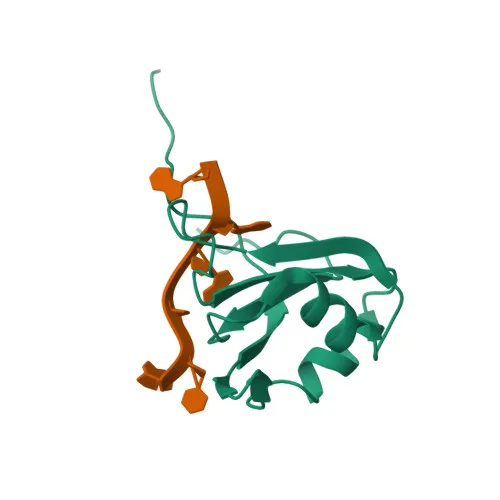
- RBMX (RNA-binding motif protein, X chromosome), also known as hnRNP G (heterogeneous nuclear ribonucleoprotein G) and glycoprotein p43, is a member of the hnRNP family and an important RNA-binding protein involved in pre- and post-transcriptional gene regulation.
- It functions as a transcriptional regulator, binding to and stimulating the promoter of the tumor suppressor TXNIP gene, suggesting a role in tumor suppression. RBMX also cooperates with SAFB to activate SREBF1 transcription.
- RBMX is a component of the supraspliceosome complex and regulates alternative splicing by acting as either an activator or repressor of exon inclusion. For example, it promotes exon 7 inclusion of the SMN2 gene additively with TRA2B, and represses exon 10 splicing of MAPT/Tau.
- The protein binds preferentially to single-stranded RNA with 5'-CC[A/C]-rich motifs and associates with nascent mRNAs transcribed by RNA polymerase II. It likely binds RNA as a homodimer and exhibits a non-specific affinity for pre-mRNAs.
- In the cytoplasm, RBMX participates in TNFR1 trafficking, promoting IL-1β-mediated proteolytic cleavage of TNFR1 ectodomains and the release of TNFR1 exosome-like vesicles into the extracellular space.
- Immunofluorescence and subcellular fractionation studies localize RBMX predominantly to the nucleus, where it interacts with chromatin, nascent RNA, and splicing factors.
- Tissue expression profiling reveals strong protein expression in normal oral keratinocytes but only weak detection in oral squamous cell carcinomas, linking its downregulation or loss with tumor progression.
- The protein undergoes multiple post-translational modifications, including phosphorylation, acetylation, methylation, and ubiquitin-like conjugation, which may regulate its activity, localization, and interactions. Mutations or dysregulation of RBMX are associated with neurological disorders such as intellectual disability, epilepsy, and deafness.
Experimental Guidance and Technical Tips
- The immunogen corresponds to the N‑terminal 1–95 amino acid region of human RBMX expressed as a recombinant fusion protein. When planning confirmatory experiments, consider using this immunogen as a positive control in ELISA or as a blocking peptide in competition assays.
- In Western blotting, a major band near 42 kDa is anticipated, consistent with both the predicted molecular weight of ~42.3 kDa and the reported protein weight of 42 kDa. Include appropriate positive controls such as HeLa, HEK293, or oral keratinocyte lysates, and validate detection in your specific sample matrix.
- This polyclonal antibody is stated to cross‑react with mouse RBMX; therefore, mouse cell lines or tissue lysates can be evaluated in parallel to verify specificity and suitability for mouse model studies.
- For ELISA, consider using recombinant human RBMX protein or cell lysates as coating antigens, and probe with the antibody at empirically determined dilutions. As with any polyclonal reagent, performance may vary between batches, so validation within your experimental system is recommended.
- Given the protein’s nuclear localization, nuclear‑enriched fractions may improve signal strength in WB. Also, be aware of potential post‑translational modifications that could shift the apparent molecular weight or affect antibody binding.
CamelBio: Your One-Stop Sourcing Bridge
CamelBio offers more than just antibodies—we are a comprehensive IVD raw‑material sourcing partner for diagnostic manufacturers, laboratories, and research institutes. This RBMX/hnRNP G Rabbit pAb addresses targets in transcription, RNA splicing, and tumor biology, and we can complement it with validated antibody pairs, optimized monoclonal alternatives, bulk ancillary reagents, and custom raw‑material sourcing to accelerate your assay development. Whether you need rare‑target reagents or end‑to‑end technical support from concept to clinic, CamelBio bridges the gap with reliable supply and expert guidance.
REQUEST A QUOTE
Our professional team will reply to you within one business day. Please feel free to contact us!