Monoclonal Antibodies
Anti-RBM3 Rabbit Monoclonal Antibody for WB, IHC-P, IF/ICC, ELISA - P98179
Item Number : CM0002708
Price varies based on specs and customizations
- Application
- WB, IHC-P, IF/ICC, ELISA
- Cross Reactivity
- Human, Mouse, Rat
- Protein Weight
- 17kDa

Shipping:
Contact us to get shipping details Enjoy On-time Dispatch Guarantee.
Why Choose Us
Easy ordering process, quality products, and dedicated support for your business success.
Core Product Specifications and Parameters
| Parameter | Value |
|---|---|
| Product Name | RBM3 Rabbit mAb |
| Remarks/Alias | RNPL; IS1-RNPL; RBM3 |
| Species | Human |
| GeneID (Human) | 5935 |
| GeneID | 5935 |
| Immunogen | A synthetic peptide corresponding to a sequence within amino acids 58-157 of human RBM3 (P98179) |
| Source | Rabbit |
| Category | Monoclonal Antibodies |
| Application | WB, IHC-P, IF/ICC, ELISA |
| Cross Reactivity | Human, Mouse, Rat |
| SWISS | P98179 |
| Protein Weight | 17kDa |
| Shipping | Ice bag |
Biological Background: RBM3 Function and Localization
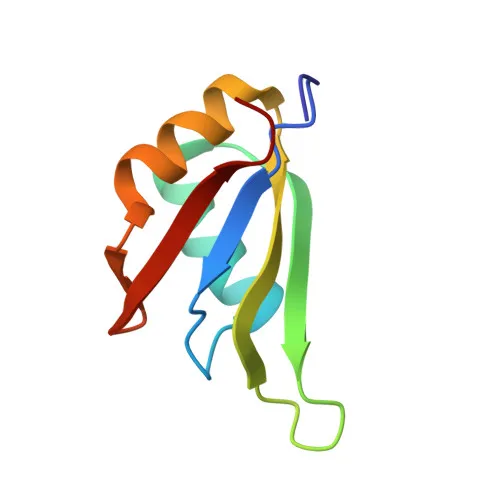
- RBM3 (RNA-binding protein 3), also known as RNPL, is a cold-inducible member of the RNA-binding motif protein family.
- It functions as an mRNA-binding protein that enhances global protein synthesis under both physiological and mild hypothermic conditions.
- RBM3 overexpression reduces the relative abundance of microRNAs, linking it to post-transcriptional regulation.
- It promotes the phosphorylation of translation initiation factors and active polysome formation, thereby facilitating translation (By similarity).
- Subcellular localization includes the nucleus, cytoplasm, cell projections, and dendrites, indicating roles in diverse cellular compartments.
- The protein is subject to post-translational modifications such as phosphorylation and methylation, and is annotated with keywords like stress response, RNA-binding, and cell projection.
Experimental Guidance and Technical Tips
- The immunogen is a synthetic peptide spanning amino acids 58–157 of human RBM3, targeting a central region of the protein. Ensure that the antibody recognizes the intended epitope in your sample by validating with known positive and negative controls.
- For Western blot (WB) analysis, a band at approximately 17 kDa is expected. Consider using protein lysates from cold-stressed cells or tissues with high RBM3 expression, such as brain or testis, for optimal detection.
- In immunohistochemistry (IHC-P) and immunofluorescence (IF/ICC), antigen retrieval conditions may need optimization. Validate antibody specificity in the relevant tissue type and include appropriate controls.
- The antibody shows reported cross-reactivity with mouse and rat, but species-specific sequence homology should be checked experimentally. Perform pilot studies to confirm reactivity in these species.
- For ELISA applications, use the antibody as a capture or detection reagent, pairing it with appropriate standards and validating the assay system.
CamelBio: Your One-Stop Sourcing Bridge
CamelBio provides diagnostic manufacturers and research laboratories with streamlined access to high-quality IVD raw materials, including validated antibody pairs, optimized monoclonal and polyclonal antibodies, bulk ancillary reagents, and sourcing for rare targets. This rabbit monoclonal antibody against human RBM3 supports investigations into cold-induced stress responses and RNA-binding protein functions. Partner with CamelBio to simplify your procurement workflow from concept to clinic.
Product Datasheet
Anti-RBM3 Rabbit Monoclonal Antibody for WB, IHC-P, IF/ICC, ELISA - P98179
REQUEST A QUOTE
Our professional team will reply to you within one business day. Please feel free to contact us!