Polyclonal Antibodies
Anti-RbAp46/RBBP7 Rabbit Polyclonal Antibody - Q16576
Item Number : CM0017684
Price varies based on specs and customizations
- Application
- WB, IHC-P, IF/ICC, ELISA, ChIP
- Cross Reactivity
- Human, Mouse, Rat
- Protein Weight
- 48kDa

Shipping:
Contact us to get shipping details Enjoy On-time Dispatch Guarantee.
Why Choose Us
Easy ordering process, quality products, and dedicated support for your business success.
Core Product Specifications and Parameters
| Parameter | Value |
|---|---|
| Product Name | RbAp46/RBBP7 Rabbit pAb |
| Remarks/Alias | RbAp46; RbAp46/RBBP7 |
| Species | Human |
| GeneID (Human) | 5931 |
| Immunogen | Recombinant fusion protein containing a sequence corresponding to amino acids 1-230 of human RbAp46/RBBP7 (NP_002884.1). |
| Source | Rabbit |
| Category | Polyclonal Antibodies |
| Application | WB, IHC-P, IF/ICC, ELISA, ChIP |
| Cross Reactivity | Human, Mouse, Rat |
| SWISS | Q16576 |
| Protein Weight | 48kDa |
| Shipping | Ice bag |
Biological Background: RbAp46/RBBP7 Function and Localization
- RBBP7 (retinoblastoma-binding protein 7, also known as RbAp46) is a ubiquitously expressed histone-binding protein that functions as a core subunit in multiple chromatin-remodeling complexes.
- It serves as a scaffold linking histone acetyltransferases, deacetylases, and nucleosome remodeling factors to their histone substrates, with activity modulated by nucleosomal DNA.
- The protein participates in complexes such as the type B HAT complex (chromatin assembly after DNA replication), core HDAC complex (transcriptional repression), NuRD complex, PRC2/EED-EZH2 complex (homeotic gene repression), and NURF complex.
- RBBP7 localizes predominantly to the nucleus, consistent with its roles in DNA replication, transcription regulation, and chromatin organization.
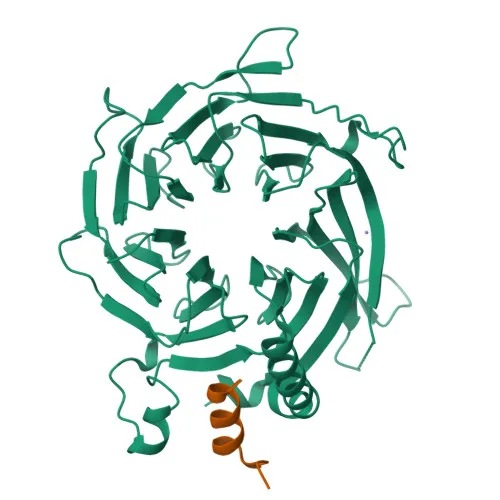
- The protein adopts a WD40 repeat fold, facilitating protein-protein interactions central to its adaptor function within multi-subunit complexes.
- Post-translational modifications include acetylation, phosphorylation, and ubiquitination, suggesting regulatory mechanisms that potentially modulate complex assembly or activity.
Experimental Guidance and Technical Tips
- The immunogen encompasses the N-terminal region (amino acids 1–230), which includes WD repeat domains critical for protein interactions; consider this when comparing with other antibodies targeting full-length protein.
- For western blot, a band of approximately 48 kDa is expected; validate band specificity using control lysates and knockdown/knockout models.
- In immunoprecipitation-based applications such as ChIP, the polyclonal nature may enrich target complexes; verify antibody specificity with isotype controls and parallel IgG ChIP.
- Immunofluorescence should yield nuclear staining; colocalization with DAPI can confirm nuclear localization.
- Cross-reactivity with mouse and rat has been demonstrated; however, sequence homology suggests it may recognize orthologs in other species; validate in the relevant sample system.
CamelBio: Your One-Stop Sourcing Bridge
CamelBio provides diagnostic manufacturers and research institutes with streamlined access to IVD raw materials, including validated antibody pairs, optimized monoclonal and polyclonal antibodies, and bulk ancillary reagents. For chromatin biology and epigenetic targets such as RBBP7, CamelBio can source rare specificities and support your assay development with one-stop procurement and technical consulting. Partner with us to accelerate your workflow from concept to clinic.
REQUEST A QUOTE
Our professional team will reply to you within one business day. Please feel free to contact us!