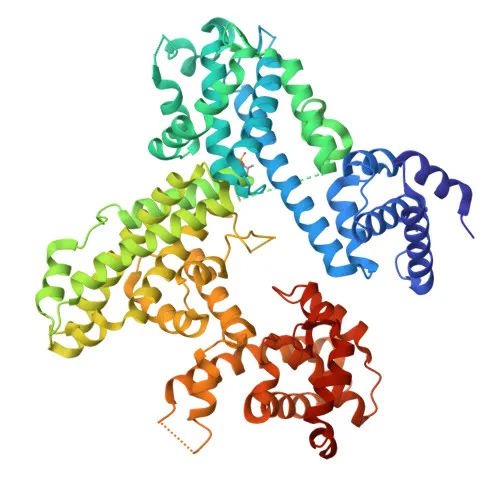
Monoclonal Antibodies
Anti-RB Monoclonal Antibody for IHC-P and ELISA - P06400
Item Number : CM0004049
Price varies based on specs and customizations
- Application
- IHC-P, ELISA
- Cross Reactivity
- Human
- Protein Weight
- 106kDa

Shipping:
Contact us to get shipping details Enjoy On-time Dispatch Guarantee.
Why Choose Us
Easy ordering process, quality products, and dedicated support for your business success.
Core Product Specifications and Parameters
| Parameter | Value |
|---|---|
| Product Name | RB Rabbit mAb |
| Remarks/Alias | RB; pRb; OSRC; pp110; p105-Rb; PPP1R130; p110-RB1 |
| Species | Human |
| GeneID (Human) | 5925 |
| GeneID | 5925 |
| Immunogen | Recombinant fusion protein containing a sequence corresponding to amino acids 701-928 of human RB (NP_000312.2) |
| Source | Rabbit |
| Category | Monoclonal Antibodies |
| Application | IHC-P, ELISA |
| Cross Reactivity | Human |
| SWISS | P06400 |
| Protein Weight | 106kDa |
| Shipping | Ice bag |
Biological Background: RB Function and Localization
- Retinoblastoma-associated protein (RB, also known as p105-Rb, p110-RB1, pRb, pp110) is a tumor suppressor encoded by the RB1 gene that acts as a key regulator of the G1/S cell cycle transition. Related references: PMID:10499802
- In its hypophosphorylated state, RB binds to E2F transcription factors, physically blocks their transactivation domain and recruits chromatin-modifying enzymes to repress transcription of E2F-responsive genes, thereby preventing entry into S phase. Related references: PMID:10499802
- Cyclin and CDK-dependent phosphorylation of RB induces its dissociation from E2Fs, activating transcription of E2F target genes and triggering cell cycle progression. Additionally, CDK3/cyclin-C-mediated phosphorylation promotes the G0-G1 transition. Related references: PMID:10499802 PMID:15084261
- RB contributes to heterochromatin formation and maintenance of overall chromatin structure by recruiting histone methyltransferases such as SUV39H1, KMT5B, and KMT5C, which catalyze histone H4 Lys-20 trimethylation, leading to epigenetic transcriptional repression.
- The protein is predominantly localized in the nucleus, but can also be detected in the cytoplasm. Its activity is modulated by multiple post-translational modifications, including phosphorylation, acetylation, and methylation.
- RB is expressed in the retina and has been detected at the protein level in foreskin keratinocytes. Related references: PMID:20940255
- In the context of viral infection, RB is targeted by oncoproteins such as SV40 large T antigen, HPV E7, and adenovirus E1A, which disrupt the RB-E2F1 complex and inactivate its tumor suppressor function.
Experimental Guidance and Technical Tips
- The immunogen covers the C-terminal region (aa 701-928) of human RB, so the antibody likely recognizes epitopes within this domain. Consider using it to detect full-length RB and any C-terminal-containing isoforms.
- For IHC-P, standard antigen retrieval methods (e.g., heat-induced epitope retrieval in citrate buffer, pH 6.0) may be suitable; however, optimization is recommended for each tissue type.
- For ELISA, pairing with a capture antibody or using direct coating with the recombinant immunogen can be explored. Validate performance in the relevant sample matrix.
- The antibody cross-reacts with human RB; reactivity with other species has not been tested and should be verified experimentally if needed.
CamelBio: Your One-Stop Sourcing Bridge
CamelBio offers this anti-RB rabbit monoclonal antibody as part of a comprehensive portfolio for IVD developers and researchers in oncology and cell cycle regulation. Beyond individual antibodies, we supply validated antibody pairs, optimized monoclonals, bulk ancillary reagents, and can assist with sourcing rare-target raw materials, helping you streamline your diagnostic development pipeline from concept to clinic.
REQUEST A QUOTE
Our professional team will reply to you within one business day. Please feel free to contact us!