Monoclonal Antibodies
Anti-RASA1 Monoclonal Antibody for WB, ELISA - P20936
Item Number : CM0009035
Price varies based on specs and customizations
- Application
- WB, ELISA
- Cross Reactivity
- Human, Mouse
- Protein Weight
- 116kDa

Shipping:
Contact us to get shipping details Enjoy On-time Dispatch Guarantee.
Why Choose Us
Easy ordering process, quality products, and dedicated support for your business success.
Core Product Specifications and Parameters
| Parameter | Value |
|---|---|
| Product Name | RASA1 Rabbit mAb |
| Remarks/Alias | GAP, PKWS, RASA, p120, CMAVM, CM-AVM, CMAVM1, RASGAP, p120GAP, p120RASGAP, RASA1 |
| Species | Human |
| GeneID (Human) | 5921 |
| GeneID | 5921 |
| Immunogen | A synthetic peptide corresponding to a sequence within amino acids 200-300 of human RASA1 (P20936) |
| Source | Rabbit |
| Category | Monoclonal Antibodies |
| Application | WB, ELISA |
| Cross Reactivity | Human, Mouse |
| SWISS | P20936 |
| Protein Weight | 116kDa |
| Shipping | Ice bag |
Biological Background: RASA1 Function and Localization
- RASA1, also known as Ras p21 protein activator or p120GAP, is a GTPase-activating protein (GAP) that stimulates the intrinsic GTPase activity of Ras proteins such as NRAS, promoting their inactivation.
- By facilitating the transition of Ras from the active GTP-bound to the inactive GDP-bound state, RASA1 acts as a negative regulator of Ras-mediated signal transduction pathways.
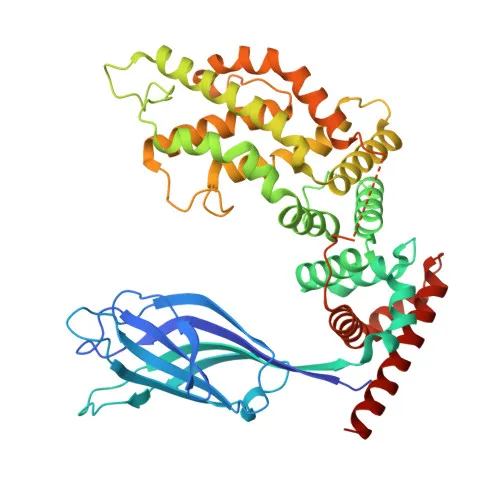
- The protein contains SH2 and SH3 domains, as well as repeat regions, which mediate protein-protein interactions and contribute to its regulatory function.
- RASA1 is a cytoplasmic protein and is recruited to the plasma membrane where it interacts with activated Ras to terminate downstream signaling.
- In placental villi, RASA1 expression is detected exclusively in trophoblast cells (cytotrophoblast and syncytiotrophoblast) and is absent from stromal, endothelial, and Hofbauer cells.
- Post-translational modifications of RASA1 include phosphorylation and acetylation, and multiple isoforms are generated through alternative splicing.
- RASA1 is classified as a tumor suppressor, and germline mutations in the RASA1 gene are associated with capillary malformation-arteriovenous malformation (CM-AVM) syndrome.
Experimental Guidance and Technical Tips
- The immunogen corresponds to a region within amino acids 200–300 of human RASA1; this sequence may be conserved in mouse, supporting the observed cross-reactivity.
- For Western blot, a band at approximately 116 kDa is expected; however, actual migration may vary depending on gel and buffer conditions.
- Consider optimizing antibody dilution for both WB and ELISA using a range of concentrations (e.g., 1:500–1:2000 for WB) in the relevant sample system.
- When performing ELISA, the synthetic peptide immunogen can serve as a positive control for coating or competition assays.
- Validating the antibody’s performance in the target species and tissue type (e.g., human or mouse cell lysates) is recommended prior to experimental use.
- Due to the presence of multiple isoforms from alternative splicing, additional bands of varying sizes may be observed in some sample types.
CamelBio: Your One-Stop Sourcing Bridge
CamelBio provides diagnostic manufacturers, labs, and research institutes with a comprehensive range of IVD raw materials and technical support. For targets like RASA1, we offer validated monoclonal antibodies, matched antibody pairs, and bulk ancillary reagents, streamlining procurement from early research through clinical applications. Our one-stop sourcing model ensures reliable supply for Ras signaling studies and related diagnostic development.
REQUEST A QUOTE
Our professional team will reply to you within one business day. Please feel free to contact us!