Polyclonal Antibodies
Anti-RANKL Rabbit Polyclonal Antibody for WB, IF/ICC, ELISA - O14788
Item Number : CM0017713
Price varies based on specs and customizations
- Application
- WB, IF/ICC, ELISA
- Cross Reactivity
- Human, Mouse, Rat
- Protein Weight
- 35kDa

Shipping:
Contact us to get shipping details Enjoy On-time Dispatch Guarantee.
Why Choose Us
Easy ordering process, quality products, and dedicated support for your business success.
Core Product Specifications and Parameters
| Parameter | Specification |
|---|---|
| Product Name | RANKL Rabbit pAb |
| Remarks/Alias | ODF; OPGL; sOdf; CD254; OPTB2; RANKL; TNLG6B; TRANCE; hRANKL2 |
| Species | Human |
| GeneID (Human) | 8600 |
| GeneID | 8600 |
| Immunogen | Recombinant protein|Recombinant fusion protein containing a sequence corresponding to amino acids 78-317 of human RANKL (NP_003692.1). |
| Source | Rabbit |
| Category | Polyclonal Antibodies |
| Application | WB, IF/ICC, ELISA |
| Cross Reactivity | Human, Mouse, Rat |
| SWISS | O14788 |
| Protein Weight | 35kDa |
| Shipping | Ice bag |
Biological Background: RANKL (TNFSF11) Function and Localization
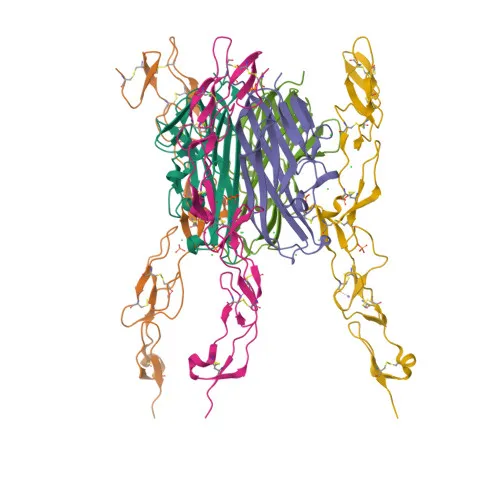
- RANKL (Receptor activator of nuclear factor kappa-B ligand), also designated TNFSF11, ODF, OPGL, and TRANCE, is a type II transmembrane protein belonging to the tumor necrosis factor (TNF) ligand superfamily.
- As a cytokine, it is a master regulator of osteoclast differentiation and activation by binding to its receptor RANK (TNFRSF11A) and the decoy receptor OPG (TNFRSF11B), thereby controlling bone remodeling.
- RANKL enhances the capacity of dendritic cells to stimulate naïve T-cell proliferation and is implicated in the regulation of T-cell/dendritic cell interactions, suggesting a role in adaptive immunity.
- It promotes pathological bone resorption in humoral hypercalcemia of malignancy, underscoring its importance in cancer-associated bone disease. Related references: PMID:22664871
- RANKL triggers osteoclastogenesis via signaling cascades that generate sustained intracellular Ca2+ oscillations, leading to NFATC1 activation, nuclear translocation, and induction of osteoclast-specific gene transcription.
- The protein localizes to the cell membrane, cytoplasm, and can be secreted as a soluble form (sRANKL) through alternative splicing or proteolytic cleavage.
- Highest expression is found in peripheral lymph nodes, with moderate to low levels in spleen, peripheral blood leukocytes, bone marrow, heart, placenta, skeletal muscle, stomach, and thyroid.
- Post-translational modifications include N-linked glycosylation, and the molecule exists in both membrane-anchored and soluble isoforms, regulated by alternative splicing and shedding.
Experimental Guidance and Technical Tips
- The immunogen spans amino acids 78–317 of human RANKL, encompassing the extracellular TNF homology domain; therefore, this antibody is expected to detect both the membrane-bound and soluble (sRANKL) forms.
- For Western blotting, consider using lysates from tissues with high RANKL expression such as lymph nodes or activated T cells, and validate under reducing conditions to observe the ~35 kDa band.
- In immunofluorescence/immunocytochemistry, appropriate permeabilization may be required for cytoplasmic detection; co-localization studies with membrane markers can help confirm subcellular distribution.
- For ELISA, this antibody may be suitable as a capture or detection reagent for quantifying sRANKL in cell culture supernatants or biological fluids; always cross-validate with a characterized standard curve in your specific matrix.
- Cross-reactivity with mouse and rat has been notated; however, optimal working dilutions and species-specific validation should be performed empirically in the relevant sample system.
CamelBio: Your One-Stop Sourcing Bridge
CamelBio is a dedicated one-stop sourcing platform that connects diagnostic manufacturers, laboratories, and research institutes with an extensive portfolio of IVD raw materials and technical support, spanning from concept feasibility to clinical readiness. Our RANKL antibody, targeting a key molecule in bone metabolism and osteoimmunology, is supplemented by a comprehensive range of validated antibody pairs, optimized monoclonal and polyclonal antibodies, bulk ancillary reagents, and customized sourcing services for rare or specialized targets. We are committed to streamlining your raw material procurement pipeline, allowing you to focus on assay development and clinical translation with confidence.
REQUEST A QUOTE
Our professional team will reply to you within one business day. Please feel free to contact us!