Polyclonal Antibodies
Anti-RALA Rabbit Polyclonal Antibody for WB and ELISA - P11233
Item Number : CM0017130
Price varies based on specs and customizations
- Application
- WB, ELISA
- Cross Reactivity
- Human, Mouse, Rat
- Protein Weight
- 24kDa

Shipping:
Contact us to get shipping details Enjoy On-time Dispatch Guarantee.
Why Choose Us
Easy ordering process, quality products, and dedicated support for your business success.
Core Product Specifications and Parameters
| Parameter | Value |
|---|---|
| Product Name | RALA Rabbit pAb |
| Remarks/Alias | RAL; HINCONS; RALA |
| Species | Human |
| GeneID (Human) | 5898 |
| GeneID | 5898 |
| Immunogen | Recombinant fusion protein containing a sequence corresponding to amino acids 1-206 of human RALA (NP_005393.2) |
| Source | Rabbit |
| Category | Polyclonal Antibodies |
| Application | WB, ELISA |
| Cross Reactivity | Human, Mouse, Rat |
| SWISS | P11233 |
| Protein Weight | 24kDa |
| Shipping | Ice bag |
Biological Background: RALA Function and Localization
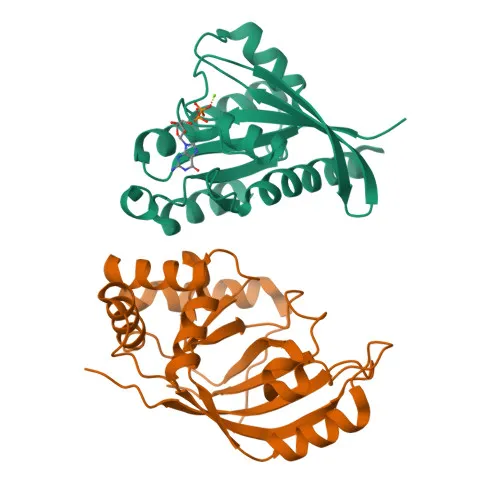
- RALA is a member of the Ras superfamily of small GTPases, encoded by the RALA gene, and functions as a multifunctional molecular switch in signaling cascades that control gene expression, cell migration, proliferation, and membrane trafficking. Related references: PMID:18756269 PMID:19306925 PMID:20005108
- It serves as a GTP sensor for exocytosis, regulating dense-core vesicle release and integrin-dependent membrane raft exocytosis via the RALA-exocyst complex. Related references: PMID:20005108
- RALA is a key regulator of LPAR1 signaling by competing with GRK2 for receptor binding, and is required for anchorage-independent proliferation of transformed cells. Related references: PMID:19306925
- During cell division, RALA supports the stabilization and elongation of the intercellular bridge and recruits exocyst components to the midbody, contributing to cytokinesis. Related references: PMID:18756269
- It also controls mitochondrial fission during mitosis by recruiting RALBP1 to mitochondria, leading to phosphorylation and activation of DNM1L. Related references: PMID:21822277
- Subcellularly, RALA localizes to the cell membrane, cleavage furrow, midbody, and mitochondria, consistent with its roles in trafficking and division.
- The protein undergoes multiple post-translational modifications including prenylation, methylation, and phosphorylation, and is associated with disease variants linked to intellectual disability.
Experimental Guidance and Technical Tips
- The immunogen used was a recombinant protein covering amino acids 1-206 of human RALA, comprising the majority of the GTPase domain and switch regions. This design targets conserved functional epitopes.
- For Western blotting, a band near 24 kDa is expected; validate detection in the relevant sample system and consider using appropriate positive and negative controls.
- The reported cross-reactivity with mouse and rat suggests potential utility in these species, but species-specific validation is recommended.
- For ELISA, the antibody may be used as a capture or detection reagent; optimal concentrations and assay conditions should be experimentally determined.
- The antibody is suitable for studying RALA-mediated processes such as exocytosis, cell migration, and oncogenic transformation in various cell lines and tissue samples.
CamelBio: Your One-Stop Sourcing Bridge
CamelBio streamlines procurement of IVD raw materials for diagnostic developers and research institutions. For RALA-related projects in oncology and cell signaling, we offer validated antibody pairs, optimized monoclonal and polyclonal antibodies, bulk ancillary reagents, and flexible sourcing for rare target raw materials. Partner with us to advance your assay development with confidence.
REQUEST A QUOTE
Our professional team will reply to you within one business day. Please feel free to contact us!