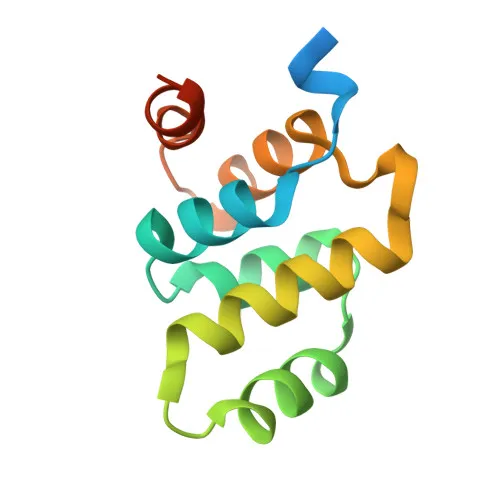
Monoclonal Antibodies
Anti-RAIDD/CRADD Rabbit Monoclonal Antibody for WB, IHC-P, ELISA - P78560
Item Number : CM0004846
Price varies based on specs and customizations
- Application
- WB, IHC-P, ELISA
- Cross Reactivity
- Human, Rat
- Protein Weight
- 23 kDa

Shipping:
Contact us to get shipping details Enjoy On-time Dispatch Guarantee.
Why Choose Us
Easy ordering process, quality products, and dedicated support for your business success.
Core Product Specifications and Parameters
| Parameter | Value |
|---|---|
| Product Name | RAIDD/CRADD Rabbit mAb |
| Remarks/Alias | MRT34; RAIDD; RAIDD/CRADD |
| Species | Human |
| Gene ID (Human) | 8738 |
| Gene ID | 8738 |
| Immunogen | Synthetic Peptide|A synthetic peptide corresponding to a sequence within amino acids 70-150 of human CRADD (P78560). |
| Source | Rabbit |
| Category | Monoclonal Antibodies |
| Application | WB, IHC-P, ELISA |
| Cross Reactivity | Human,Rat |
| SWISS | P78560 |
| Protein Weight | 23 kDa |
| Shipping | Ice bag |
Biological Background: RAIDD/CRADD Function and Localization
-
CRADD (Death domain-containing protein CRADD; also called RAIDD) is encoded by the CRADD gene and exists in multiple isoforms via alternative splicing.
-
It functions as an adapter in the PIDDosome complex, linking PIDD1 and caspase-2 to trigger apoptosis.
Related references: PMID:15073321, PMID:16652156, PMID:17159900 -
CRADD also recruits caspase-2 to the TNFR-1 signaling complex through interactions with RIPK1 and TRADD, suggesting a role in TNF-mediated signaling.
Related references: PMID:8985253 -
Subcellularly, the protein is localized to both the cytoplasm and nucleus.
-
It is broadly expressed, with particularly high expression in adult heart, testis, liver, skeletal muscle, and fetal liver and kidney.
-
CRADD is associated with disease variants linked to intellectual disability and lissencephaly, highlighting its importance in human development.
-
The protein has a calculated molecular weight of 22.7 kDa (observed at 23 kDa on Western blots).
Experimental Guidance and Technical Tips
-
The immunogen is a synthetic peptide from the central region (aa 70–150) of human CRADD. This peptide-based design typically detects denatured protein in WB; validate in lysates from cell lines or tissues with confirmed CRADD expression (e.g., heart, testis, liver).
-
In IHC-P, since CRADD is cytoplasmic and nuclear, consider optimizing antigen retrieval and antibody dilution; positive control tissues may include human or rat heart, testis, or liver sections.
-
For ELISA, ensure peptide coating or use of recombinant CRADD protein, and validate with relevant positive controls.
-
The antibody cross-reacts with rat CRADD (SWISS P78560 homology), so rat samples can be incorporated in experimental designs, but verify cross-reactivity empirically.
-
Since CRADD is involved in apoptosis, consider using apoptosis inducers or inducers of TNF signaling in functional studies, but the antibody itself is a detection tool, not a functional assay.
CamelBio: Your One-Stop Sourcing Bridge
CamelBio provides this RAIDD/CRADD rabbit monoclonal antibody as part of a comprehensive portfolio supporting apoptosis and cell death research. From validated antibody pairs and optimized monoclonal antibodies to bulk ancillary reagents and rare target sourcing, CamelBio empowers diagnostic manufacturers and laboratories with reliable raw materials for every stage of assay development. Partner with CamelBio to bridge your IVD development needs from concept to clinic.
Product Datasheet
Anti-RAIDD/CRADD Rabbit Monoclonal Antibody for WB, IHC-P, ELISA - P78560
REQUEST A QUOTE
Our professional team will reply to you within one business day. Please feel free to contact us!