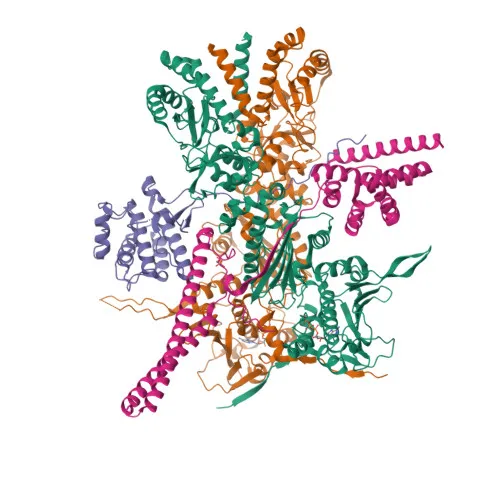
Monoclonal Antibodies
Anti-Raf1 Rabbit Monoclonal Antibody for WB, ELISA - P04049
Item Number : CM0003525
Price varies based on specs and customizations
- Application
- WB, ELISA
- Cross Reactivity
- Human, Mouse, Rat
- Protein Weight
- 73kDa

Shipping:
Contact us to get shipping details Enjoy On-time Dispatch Guarantee.
Why Choose Us
Easy ordering process, quality products, and dedicated support for your business success.
Core Product Specifications and Parameters
| Parameter | Value |
|---|---|
| Product Name | Raf1 Rabbit mAb |
| Remarks/Alias | NS5; CRAF; Raf-1; c-Raf; CMD1NN; Raf1 |
| Species | Human |
| GeneID | 5894 |
| Immunogen | Synthetic peptide corresponding to amino acids 1-100 of human Raf1 (P04049) |
| Source | Rabbit |
| Category | Monoclonal Antibodies |
| Application | WB, ELISA |
| Cross Reactivity | Human, Mouse, Rat |
| SWISS | P04049 |
| Protein Weight | 73kDa |
| Shipping | Ice bag |
Biological Background: Raf1 Function and Localization
- RAF1 encodes the serine/threonine-protein kinase Raf1 (c-RAF or Raf-1), a critical regulatory link between membrane-associated Ras GTPases and the MAPK/ERK cascade, controlling cell fate decisions such as proliferation, differentiation, apoptosis, survival, and oncogenic transformation.
- Upon activation, Raf1 initiates the MAPK cascade by sequentially phosphorylating dual-specificity MAP2K kinases (MEK1/MEK2) and subsequently extracellular signal-regulated kinases (ERK1/ERK2).
- Beyond the canonical MAPK pathway, Raf1 phosphorylates numerous other substrates including BAD (promoting cell survival), adenylyl cyclases (ADCY2/5/6), PPP1R12A, and cardiac troponin T (TNNT2), thereby modulating apoptosis, cAMP signaling, and muscle contraction.
- Raf1 exerts anti-apoptotic effects by translocating to the mitochondrion, where it binds BCL2 and displaces pro-apoptotic BAD, directly protecting cells from death.
- The kinase regulates Rho signaling and cell migration, contributes to wound healing, and drives oncogenic transformation of epithelial cells by repressing the tight junction protein occludin (OCLN) via transcriptional repressor SNAI2/SLUG.
- Subcellularly, Raf1 localizes dynamically between cytoplasm, cell membrane, mitochondrion, and nucleus, consistent with its diverse signaling roles.
Experimental Guidance and Technical Tips
- The immunogen spans the N-terminal region (amino acids 1–100), suggesting this monoclonal antibody may recognize an epitope within the regulatory domain; verify reactivity in your target species and sample type.
- For western blotting (WB), Raf1 is detected at approximately 73 kDa; consider using cell lines with known Raf1 expression (e.g., HeLa, Jurkat) as positive controls.
- Cross-reactivity with mouse and rat implies epitope conservation, but we recommend validating detection in those species under your specific experimental conditions.
- This antibody is validated for WB and ELISA; other applications (e.g., IHC, ICC, IP) have not been tested and would require end-user optimization and verification.
CamelBio: Your One-Stop Sourcing Bridge
CamelBio supports diagnostic manufacturers, laboratories, and research institutes with a comprehensive portfolio of IVD raw materials, including validated antibody pairs, monoclonal and polyclonal antibodies, and bulk ancillary reagents. This Anti-Raf1 Rabbit Monoclonal Antibody targets a central kinase in oncogenic and cell signaling pathways, making it a valuable tool for oncology and signal transduction research. Leverage our one-stop sourcing to secure rare-target materials and accelerate your development from concept to clinic.
REQUEST A QUOTE
Our professional team will reply to you within one business day. Please feel free to contact us!