Polyclonal Antibodies
Anti-QSOX1 Polyclonal Antibody for WB, ELISA - O00391
Item Number : CM0028567
Price varies based on specs and customizations
- Application
- WB, ELISA
- Cross Reactivity
- Human, Mouse
- Protein Weight
- 83kDa

Shipping:
Contact us to get shipping details Enjoy On-time Dispatch Guarantee.
Why Choose Us
Easy ordering process, quality products, and dedicated support for your business success.
Core Product Specifications and Parameters
| Parameter | Value |
|---|---|
| Product Name | QSOX1 Rabbit pAb |
| Remarks/Alias | Q6; QSCN6; QSOX1 |
| Species | Human |
| Gene ID | 5768 |
| Immunogen | Recombinant fusion protein containing a sequence corresponding to amino acids 1-330 of human QSOX1 (NP_001004128.1). |
| Source | Rabbit |
| Category | Polyclonal Antibodies |
| Application | WB, ELISA |
| Cross Reactivity | Human, Mouse |
| SWISS | O00391 |
| Protein Weight | 83kDa |
| Shipping | Ice bag |
Biological Background: QSOX1 Function and Localization
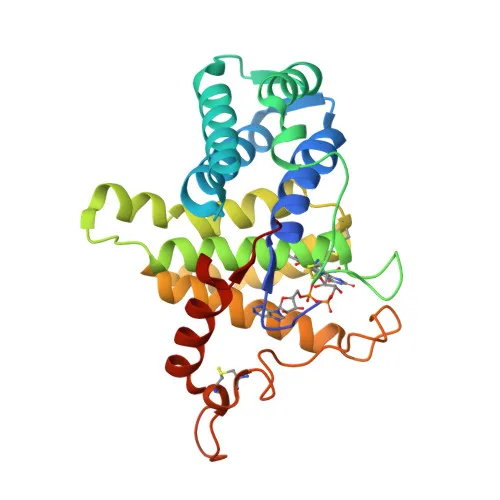
- QSOX1, also known as Sulfhydryl oxidase 1 or Quiescin Q6, is an FAD-dependent enzyme that catalyzes the oxidation of sulfhydryl groups to disulfides, reducing oxygen to hydrogen peroxide.
Related references: PMID:17331072, PMID:18393449, PMID:23704371 - It facilitates disulfide bond formation in extracellular proteins, including laminin, and is critical for normal cell-cell adhesion and fibroblast migration.
Related references: PMID:22801504, PMID:23867277, PMID:30367560 - The protein localizes to the Golgi apparatus membrane and is also secreted into the extracellular milieu.
- QSOX1 is broadly expressed, with high levels in heart, placenta, lung, liver, skeletal muscle, and pancreas, and low levels in brain and kidney.
- As a member of the FAD-dependent oxidoreductase family, it contains a flavin adenine dinucleotide (FAD) cofactor required for catalytic activity.
- Post-translational modifications include glycosylation and phosphorylation, and the protein features an N-terminal signal peptide and a transmembrane helix.
Experimental Guidance and Technical Tips
- The immunogen corresponds to the N-terminal region (amino acids 1-330) of human QSOX1; for Western blot, expect a band around 83 kDa, but note that alternative splicing may produce additional isoforms.
- This polyclonal antibody batch is supplied as a polyclonal antibody from rabbit; consider titration and positive/negative controls in your specific sample type.
- Cross-reactivity is reported for human and mouse; for other species, validate performance independently.
- While validated for WB and ELISA, suitability for other applications (e.g., IHC, IF) has not been assessed and should be determined experimentally.
CamelBio: Your One-Stop Sourcing Bridge
CamelBio streamlines IVD raw-material procurement for diagnostic manufacturers and research groups, offering one-stop access to validated antibodies, bulk reagents, and technical support. The QSOX1 polyclonal antibody serves as a robust tool for investigating oxidative protein folding and extracellular matrix biology, with our supply network ensuring reliable, scalable sourcing for long-term assay development. For rare targets or customization needs, our team provides rapid sourcing and consultation to keep your projects on track.
REQUEST A QUOTE
Our professional team will reply to you within one business day. Please feel free to contact us!